
Gilded
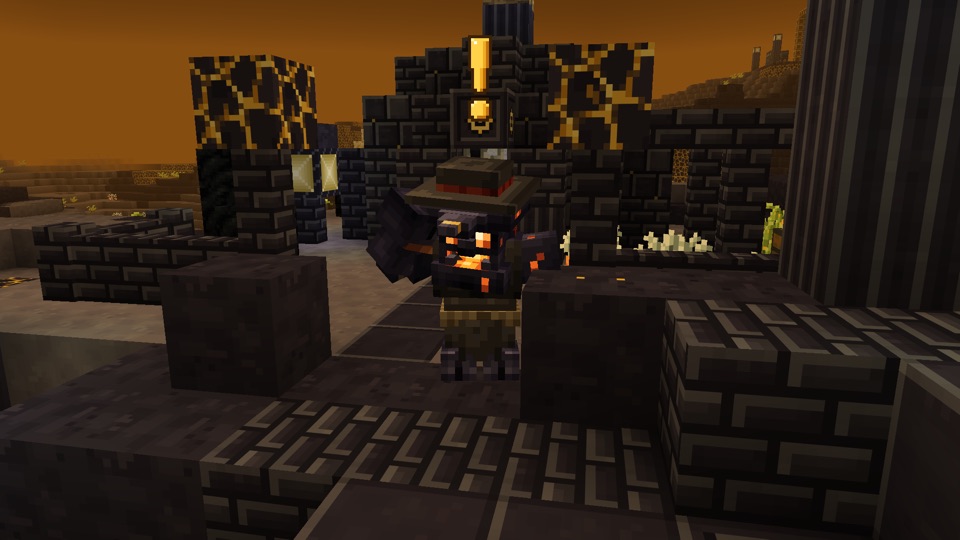
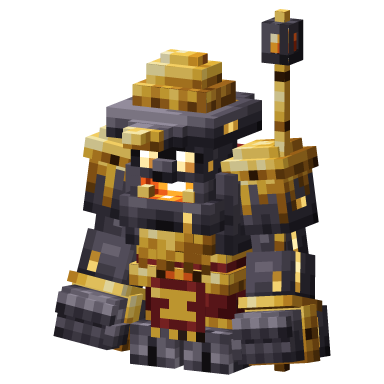
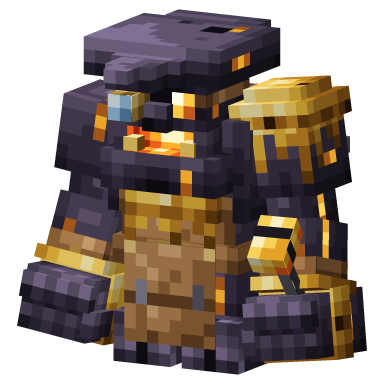
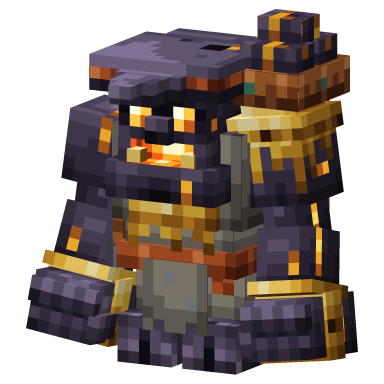
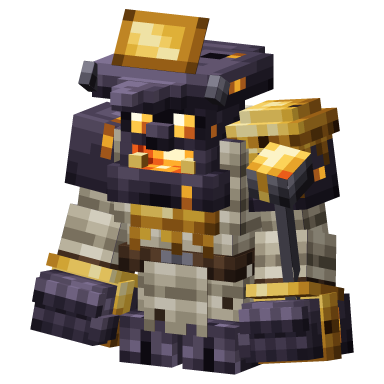
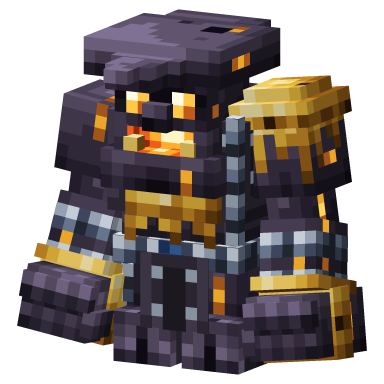
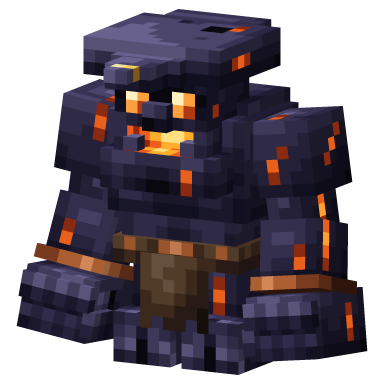
Squat smiths of the Forge who are cast rather than born: living gold poured into a shell of slag, with a spark breathed into the mouth. They forge living gold while it still moves, on anvils of slag, and sleep behind walls thick enough to keep out the glow of the sea. A family wears its gold on its shoulders and keeps the rest on its roof, because that gold is its children to come; humans, to them, are "the unforged": soft, cold, and touchingly afraid of the sea.
«Two strokes on the chest: that means "I'm hot, come closer". You needn't answer, unforged; your chest would only go thud. I am ….»
The settlement and its dwellers
Crafts
Trades by level
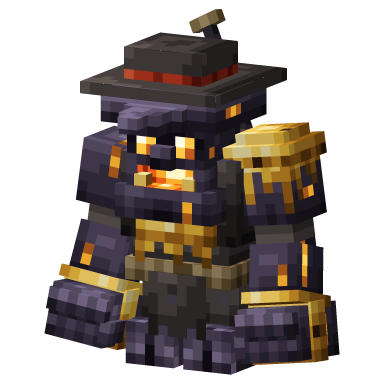
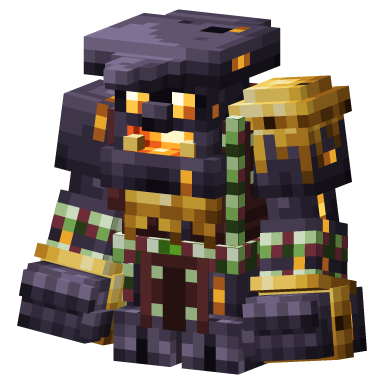
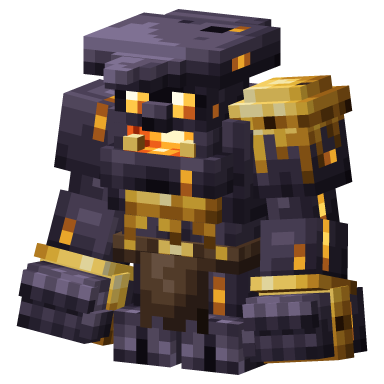
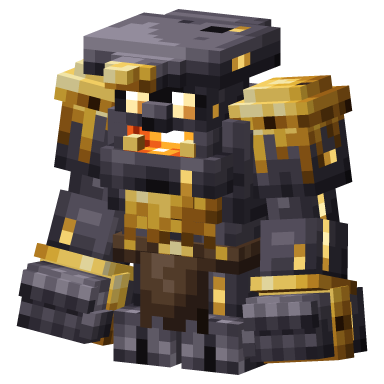
Looks
Where they live
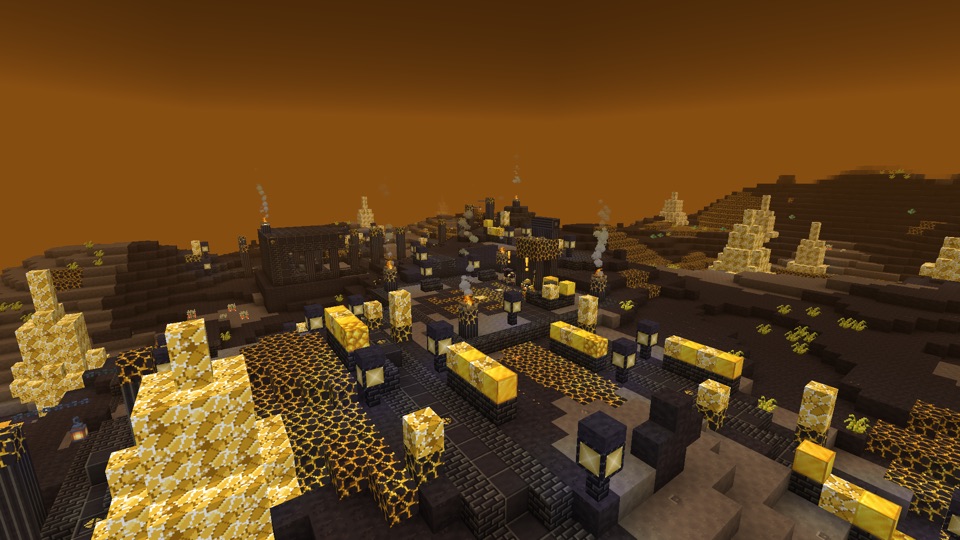
Hearthyards of the Gilded. A settlement of the Gilded: anvil-shaped houses with walls two bricks thick, each with its forge smoking in the yard and the family's gold piled on the roof where every neighbor can count it. In the middle lies the Yard of the Mold, where the Gilded pour their children from family gold and the eldest breathes the first spark into them.
Tasks
A Ring for the Horn· GoldsmithBring the goldsmith ten amethyst shards: a stone for a newly cast child's first ring.
«Ferra's family poured a child last heat. On the third heat it will get up and ask for coal, and the first thing it gets is a ring on its horn. Gold I have. But a ring wants a stone, and every stone down here is slag or gold, too heavy for a child's horn. Your cold country has a violet stone that rings when you strike it. Bring me some, unforged.»
Gold for a Roof· GoldsmithBreak six pieces of living gold from the spikes on the anvil-isles and bring them to the goldsmith for Ferra's roof.
«The child is up and asking for coal, and the family's shoulders are thin now: they poured half their gold into it. A family with a bare roof is a family with no children to come, and the whole street can see it. Living gold grows in spikes on the anvils, where the Forge struck hardest. Break me six pieces, unforged. Mind the Hollow: they stand on the spikes as if the gold were theirs.»
Gold Gone Hollow· Goldsmith· repeatablePut out two Gilded Knights, the Hollow ones: gold that walks with someone else's fire inside.
«Every Hollow on the spikes is a family's worth of gold walking about with the Gilt One's fire in its chest. It hurts me to look at them, unforged: so many children who will never be cast. Put out two for me. What's left of them I'll melt back into honest gold, and part of it is yours.»
No Mortar in the Anvil· Slag MasonFind the Giant's Anvil and bring the slag mason eight pieces of gilded slag from it.
«Thirteen blocks of anvil, unforged, and not a spoon of mortar in it: I've looked from the next isle. The Mountain-Smith lays slag and strikes it, and the blows themselves are the bond. My walls need mortar and still crack under the Hammer. Go to his anvil and break me eight pieces of the gilded slag on it. I want to know what a bond made of blows looks like inside.»
Scale from the Hammer· Slag MasonStand through the Giant's Forging and bring the slag mason two pieces of raw adamant.
«When the Mountain-Smith works, scale falls on every yard, and in the cooled scale there's sometimes a dark grain: adamant, the one metal the Pour can't dissolve. My chisel is worn to a stub on it. Next time the Hammer falls, don't hide under a roof like a sensible ingot: stay out, step off the red glow, and pick through what lands. Two pieces of raw adamant, from the scale or from the walls, I don't mind which.»
What the Spores Couldn't Eat· Slag MasonBring the slag mason four pieces of raw verdigris from the spore country under the third vent.
«That jacket on your bell is our slag. My slag. You've been down under the third vent with it, and the bell-folk say the spores there eat any metal that goes bare, and only our slag sticks in their throats. I'd like to know whether that's true or bell-folk boasting. Next time you go down, unforged, bring me back what the spores make of copper. Then I'll know what my slag saved you from.»
The Bowl Hums· Crucible KeeperFind the Pouring Bowl, where the Forge melts itself, and bring the crucible keeper a bucket of molten gold.
«My crucible sings flat. A crucible keeper learns the hum from the Pouring Bowl, the one nobody fills and nobody pours, and mine has forgotten it. I can't leave the melt to walk there; you can. Go to the Bowl, stand by it, and fill a bucket from the gold under its spout. I'll pour it into mine, and maybe mine will remember.»
Crystals in the Crust· Crucible KeeperLive through the Quench in the Forge and bring the crucible keeper two salamander crystals from the crust.
«When the Forge dips the world into cold, the Pour skins over, and salamander crystals set in the crust. The elders call them our strong drink; I call them the only thing that keeps a crucible hot through a long sleep. The crust is no place for me: I'm too heavy, it cracks. You're light. Next Quench, walk out on the plates and bring me two crystals. And run when the plates start to glow.»
Whose Links Gave Way· ChainwrightLook at the broken span of the Chain Bridge and bring the chainwright twelve iron ingots for new links.
«The chain bridge: we forged the chains, the bell-folk laid the deck, and the Tide warmed the eastern span until it let go. Every chainwright in the yards says it was someone else's links. Go and look at the break with your own eyes, unforged: you have no stake in it. And bring me iron from the cold country, twelve ingots. Whoever's links they were, the bridge needs new ones.»
A Chain That Holds Warm· ChainwrightShow the chainwright four adamant ingots: the metal that no fire bends.
«Chain holds while it's cold. That's the rule I've lived by, and the rule that broke my bridge. But adamant, once forged, never bends again, hot or cold. I've never held an ingot of it: the bell-folk took every grain up the Flue. Smelt four, unforged, and bring them for me to hold. Just to hold. I want to know their weight in the tongs before I'm too old to learn it.»
Wood from the Cold Country· Charcoal Burner· repeatableBring the charcoal burner sixteen oak logs for the kiln.
«Charcoal is our feast bread, and it's baked from wood. Wood! Nothing grows tall enough to burn down here: the fern burns up in a breath, and slag doesn't burn at all. Your cold country is full of it, they say, standing in rows like knights. Bring me sixteen logs now and then, and I'll pay as a baker pays.»
Supper for the Crucible Keeper· Charcoal BurnerCarry eight pieces of charcoal from the charcoal burner to the crucible keeper, who can't leave the melt.
«The crucible keeper hasn't left the melt for three heats: you can't turn your back on a pour. And a keeper who doesn't eat goes cherry, and a cherry keeper spills. Take the supper over, unforged: eight pieces, my best batch. Into the keeper's hands, not on the rim.»
A Fire That Gives· Charcoal BurnerCarry a salamander crystal to a soulfire keeper of the Giantkin in the Ash, where the fire is blue and gives no heat.
«You've heard of the next vent too, haven't you? The bell-folk said the fire down there is blue and takes heat instead of giving it, and that a folk lives by it, feeding it and freezing. That's the saddest thing I ever heard about a fire. Take them this: a salamander crystal, the thing that holds heat longest. Give it to whoever keeps their fire. Tell them it's from a coal-baker of the Forge, and that our fires only give.»
Into the Gilt One's Furnace· ElderGo down into the Gilded Deeps, the bell-guild's shops cut into the slag under the isle, and come back up.
«Under the isle with the furnace lie the bell-guild's shops: smithies, the bellows house, the molding floor, the assay hall, and at the very bottom his own forge. We drank heat with them once, before he wanted more fire than the Forge had. None of us has been down since the gold rose: we're too heavy for their ladders, and too ashamed. Go down, unforged. See what's left of them. Then come back and tell me.»
Bank His Hearth· ElderDefeat the Gilded Smith at the great forge at the bottom of the Gilded Deeps.
«Now you know what works at the bottom of the shops. He lay down under his own hammer to become the fire, and the fire won't let him cool. His anvil wants two hearts of the Hollow, so you'll have to put out two knights first. Then put him out, unforged. Even the gilt deserve to cool.»
The Ring on the Anvil-Isle· ElderWake the ring of slag on the anvil-isle: the gate between the worlds.
«With the Gilt One out, the ring on the isle is half awake. It wants the rest: six of the beetles that carry his embers put out, his heart, forty-eight deep embers, and adamant and salamander crystal for its frames. It eats well. Feed it, unforged, and the old road between the worlds will burn again on our isle.»
Water of the Deep· Anvil MasterBring the anvil master six pieces of ringwoodite from the rocks of the Depths.
«Ha! You landed on the face and didn't dent it. Good ship. An anvil this size must be quenched, and there's no water down here — only the blue stone that holds it. Six pieces. Strike while I'm in the mood.»
The Thing That Grows· Anvil MasterFly to the Wandering Cap, the station of the Fruiting Folk by the vent of the Mycelium, and come back.
«There's a station out there that nobody forged. It GREW. I don't trust a thing with no hammer marks. Go and look for seams, rivets, anything honest. Then tell me.»
Reforged· Anvil MasterRaise the class of your ship at a station dock, then return to the anvil master.
«A ship is a blade. Yours has been used and never reforged — I can see it from here. Put it on a dock and let it be made better. Then come, and I'll open the Bowl for you.»
What to talk about
Tell me about this world.
This is the Forge, unforged: the bottom of the Flue, where fire goes when it wants to work. The gold below is the Pour, still deciding what to become. The isles are anvils, slag the Forge struck and left to cool, and the living gold growing on them is work the Forge has finished. We live on the anvils, between the work that's done and the work to come.
What is the golden sea?
The Pour: gold that hasn't cooled since the world was lit. Don't step on it, unforged: it would take your feet and give back slag. We don't step on it either. We were cast from it, not made to swim in it. The little striders run about on it, but they weigh no more than a sigh.
Why does the sea rise and boil sometimes?
That's the Tide: the Forge is filling its ladle. The Pour swells and boils, gold leaps onto the shore, and the striders come running from everywhere to skim the froth. Stay off the edge while it lasts. The splashes don't care whether you're forged or not.
How do you count time without day and night?
In heats. A heat runs from lighting a forge to the moment the gold stops moving. A good smith works two heats and sleeps one. The oldest of us are ten thousand heats old; I'm somewhere in the middle, still hot enough to be foolish. The bell-folk had "days". They kept asking what time it was, as if the Forge cared.
What falls from the sky here?
Embers, when the Forge sneezes: put something on your head, they sting the unforged. Gold mist, when the Pour breathes out: the far isles turn golden and nuggets settle on the roofs, so the children run out with brooms. And the draft: when the Forge draws breath, a hot wind blows across the anvils, and wherever it blows it's hotter still.
What is above the Forge?
The Flue: a long throat of stone, and at the top of it the Red Country, where ash falls and pig-men grunt. That's where the bells come from. The bell-folk said that above the Red Country there's a cold blue one, where water falls from the roof and nothing ever burns. I don't believe it. Who could live where nothing burns?
Why did the sea crust over?
That's the Quench: the Forge dips the world into cold, the way we dip a blade. The Pour skins over with plates of slag, and you can walk far out on them. Salamander crystals set in the crust, and embers bubble up from under it. But when the plates crackle and glow, run for the shore: they melt one by one.
Who are you?
The Gilded. Gold inside, slag outside, and a forge where you keep your teeth. We weren't born, unforged: we were cast. The anvil on our shoulders is our head, the fist is our hammer, and the gold we wear is everything the family owns. That's the short answer; the long one takes a few heats.
What do you mean, cast?
On every yard there's a mold of slag in the shape of one of us. When a family wants a child, it melts down some of the gold off its shoulders and pours it in, and the eldest breathes a spark from its mouth into the gold. The slag skin hardens in one heat, the eyes light in two, and on the third the child gets up and asks for coal. The first thing it gets is a ring on its horn.
Why do you wear so much gold?
Because it's our grandchildren. Every child is poured from the family's gold, so a family wears its gold where anyone can count it: a thin shoulder means a small family to come. What won't fit on the shoulders goes up on the roof. Nobody steals it. Gold that isn't yours won't lie still in your hands; it remembers its own fire.
Your mouth glows a different color as you talk.
It does. Dull red, I'm tired or sad. Cherry, I'm angry; walk away from a cherry smith. Orange is work, yellow is good company, and white is joy, the greatest there is. The bell-folk said that among your kind "white heat" means fury. Strange folk, the unforged: you get angry at the very top.
What do you eat?
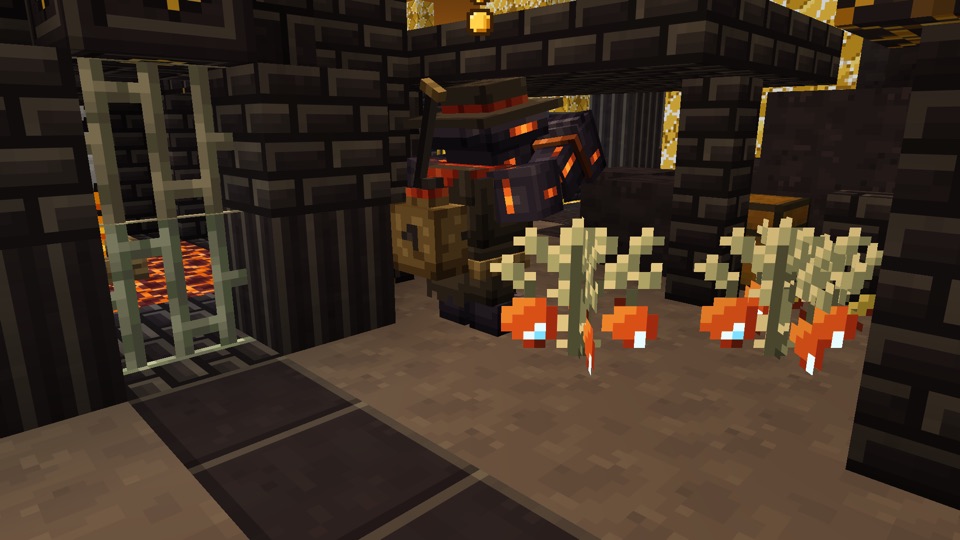
Heat: coal every day, charcoal on feast heats, a deep ember when we've been very good. You can't eat any of that, poor cold thing, so here: three firefruits. Hot rind, icy heart. Eat one when the Pour starts to roast you, and for a while you won't feel it.
What does each of you do?
Goldsmiths read the gold and work it fine. Slag masons cut the anvils and build our walls. Crucible keepers watch the melt and pour it. Chainwrights forge chain, the only thing that holds over the Pour. Charcoal burners feed us all. And the eldest keeps the family molds and breathes the first spark. Every craft has its own fire; mix them up and the yard goes cold.
Why are your walls so thick?
For sleeping. We don't sleep the way you do: we cool. We bank the forge in the mouth under ash and lie in the dark, and the slag skin draws tight again. A smith who never cools goes brittle and cracks at the first hard blow. But the Pour shines through anything thinner than two bricks, so our walls are two bricks thick and the windows are lattice.
Names
Skarn · Bessa · Vagra · Tongo · Ingra · Embra · Sindra · Gorran · Hamra · Zolta · Aurrak · Brann