
Moon
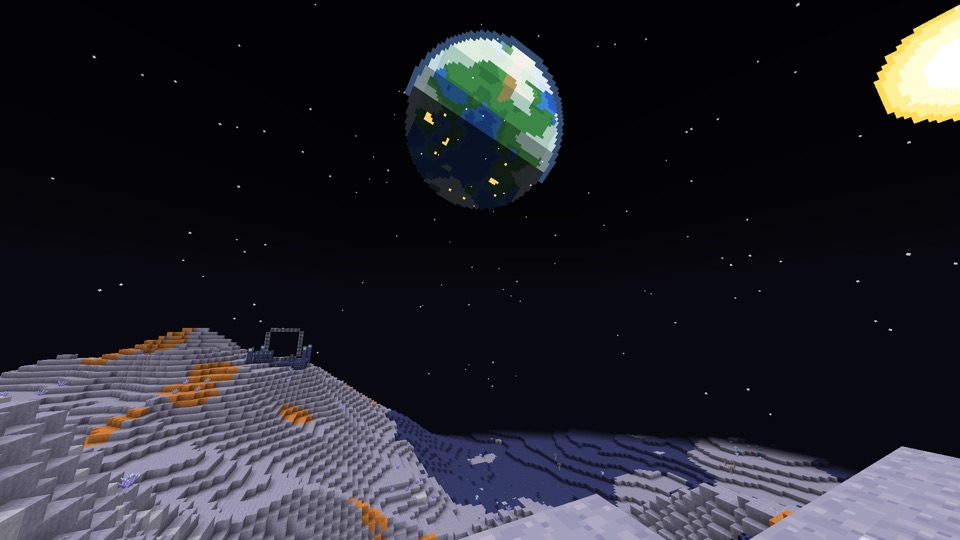
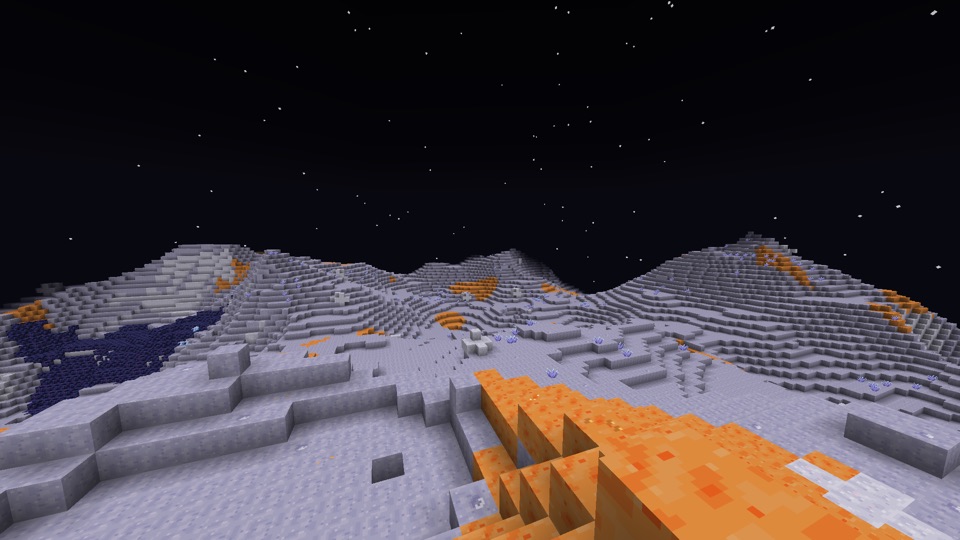
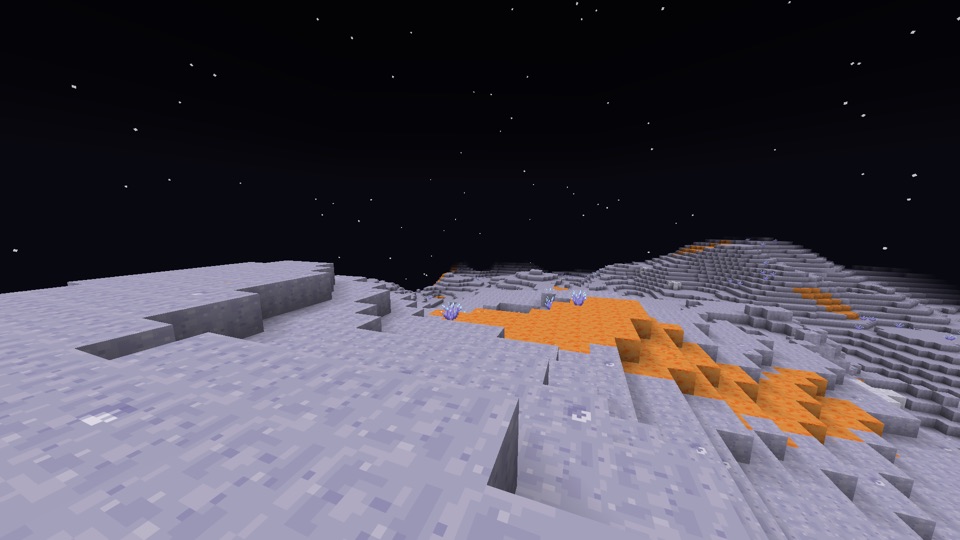
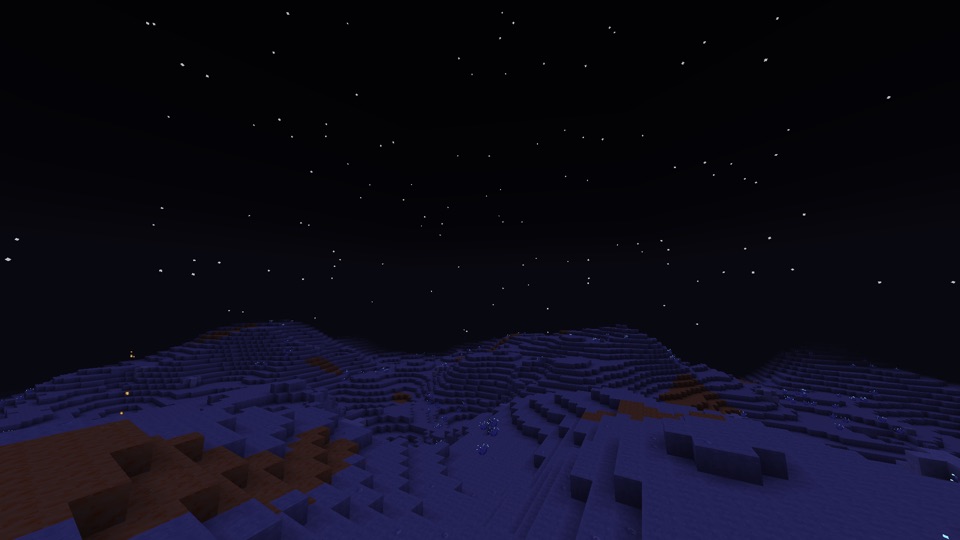
Dark seas of frozen lava, bright highlands and countless craters. Under the seas there are tunnels left by lava rivers, and moonstone glimmers at the bottom of the craters.
- Distance from Earth: 384,400 km
- Day: 29.5 Earth days
- Gravity: 0.17 of Earth's
Views
What is there
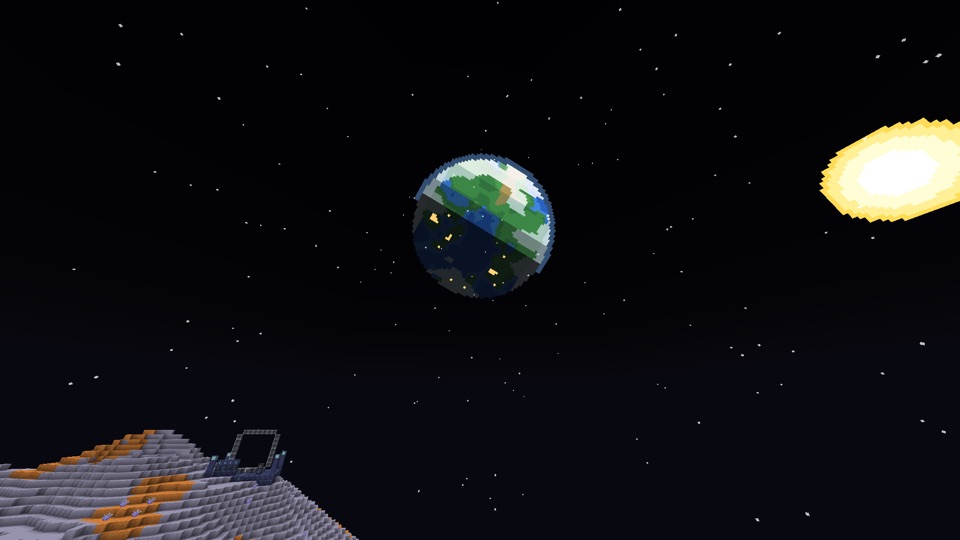
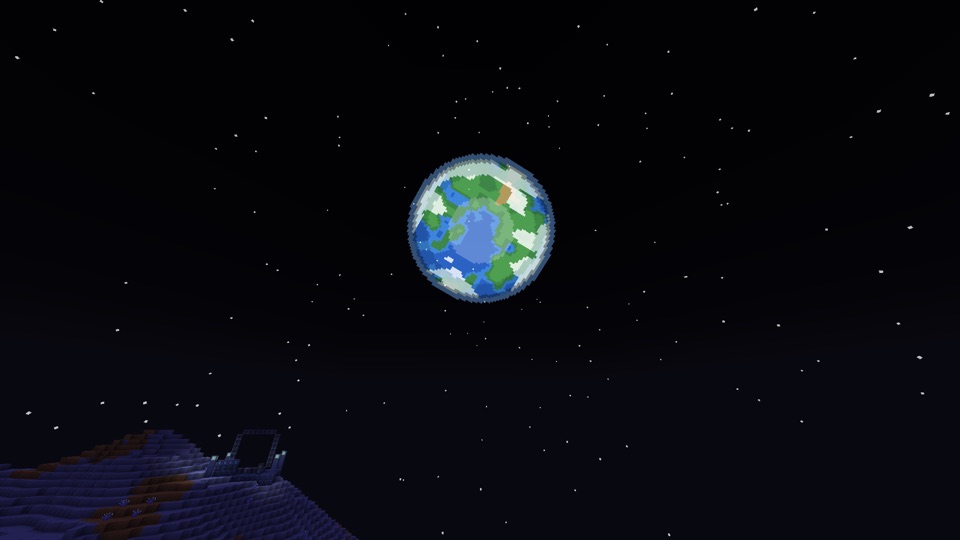
384,400 kilometers: three days for Apollo, a few minutes for you. Gravity here is six times weaker, the sky is black even by day, and the Earth hangs above the horizon without ever setting. Moonstone and impact glass are needed for the next rocket.
Master of the world
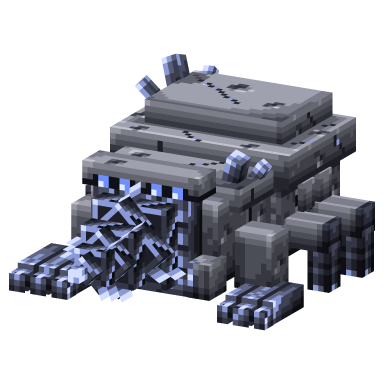
Creatures
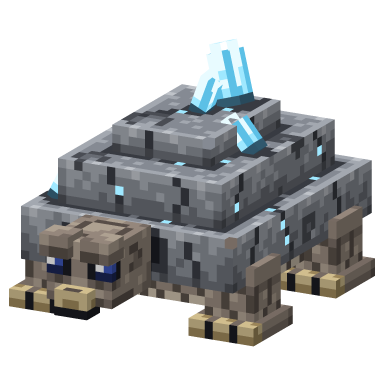


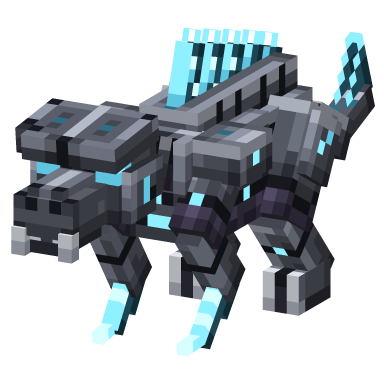
People
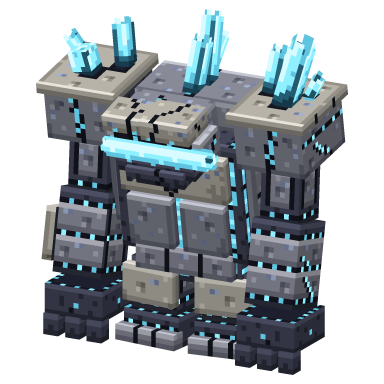
- Lunarians — Tall, slow and quiet, the Lunarians lived on the Moon long before the first rocket. Earth never moves in their sky, so they call it the Still One and count their days by its phases. They grind selenite into lenses better than anyone, and greet whoever brings a telescope as a fellow watcher.
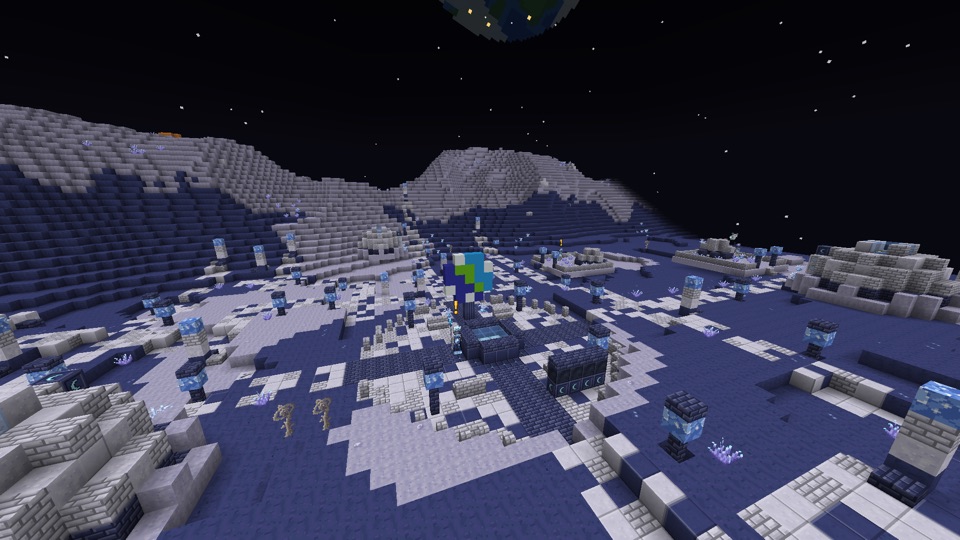
- Lunar Court. A court of the Lunarians: round domes of dry stone half sunk into the regolith, each with a selenite window on top that looks at the Still One. In the middle lies the Court of the Earth with its basalt mirror, and every path of flat stones leads there.
Structures
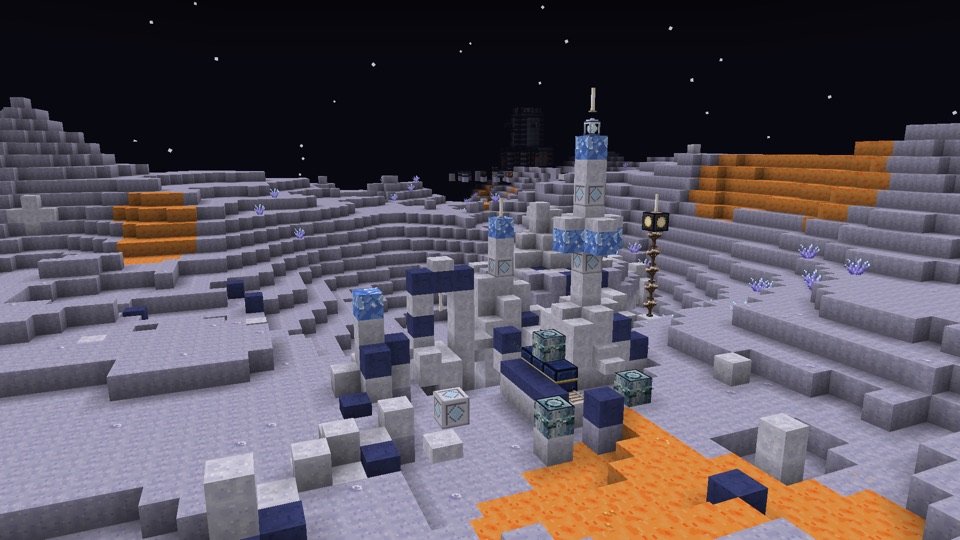
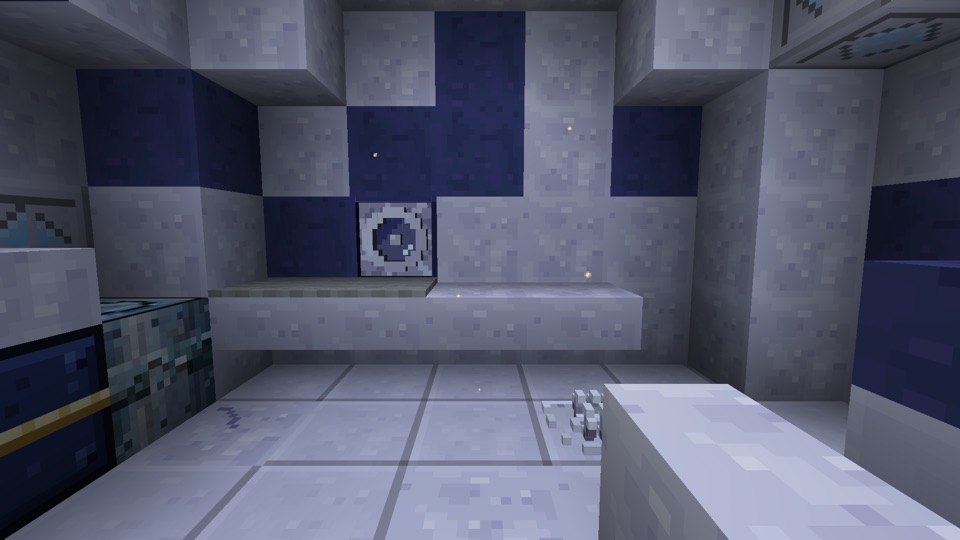
Seven cairns across the highlands, each taller than the last, the last one a beacon with a lantern, and at the end of them a refuge of dry stone dug into the ground under a coat of regolith. The first walkers raised the cairns to find their way back; the refuge, and the store under its floor, were for whoever could not. One of them reached it and is still there; the eighth cairn was never finished.
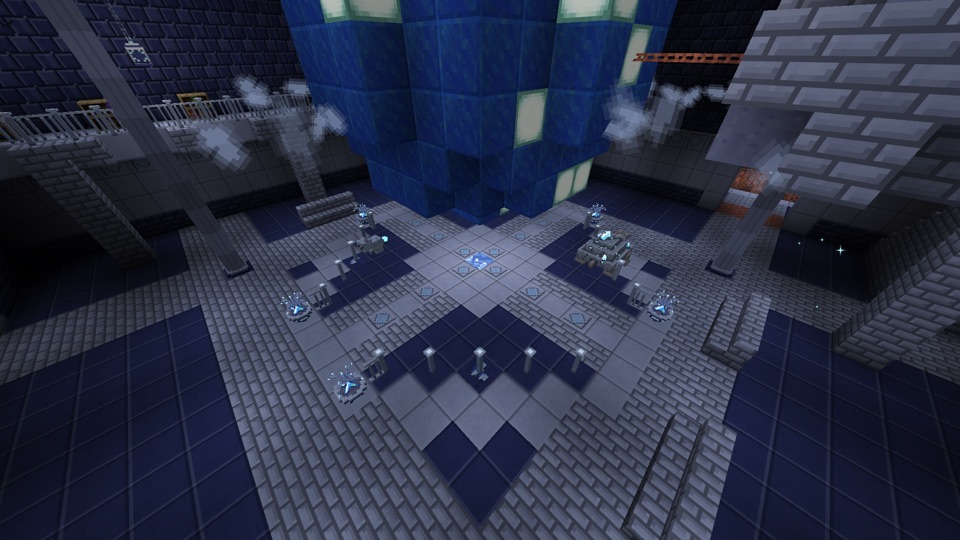
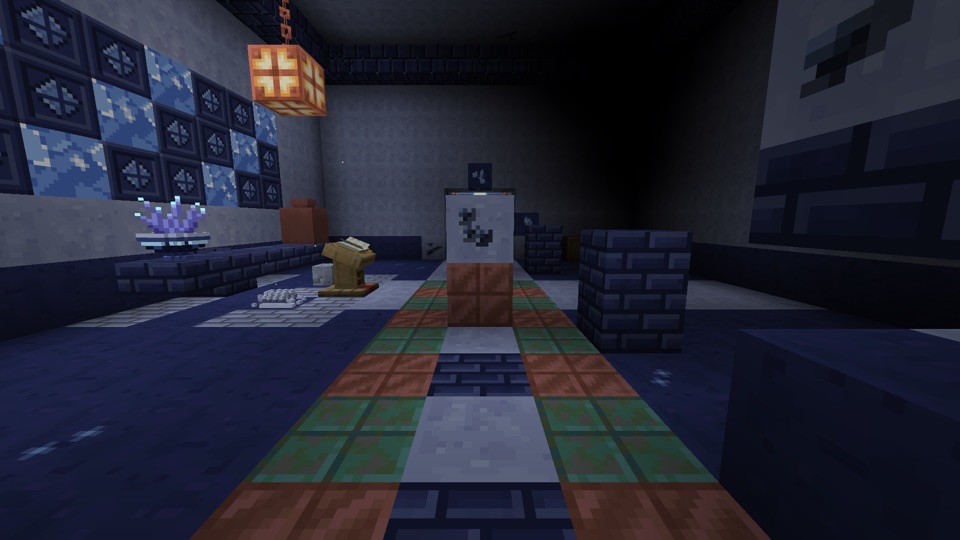
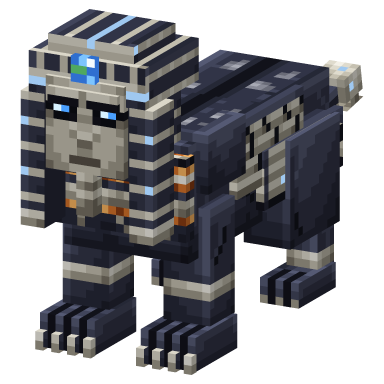
Under a shrine to the Earth the first settlers of the Moon dug four levels into the highland rock: homes, workshops, the pens where they bred the night hunters, and the necropolis where they laid their dead and the colossus that keeps watch over them.
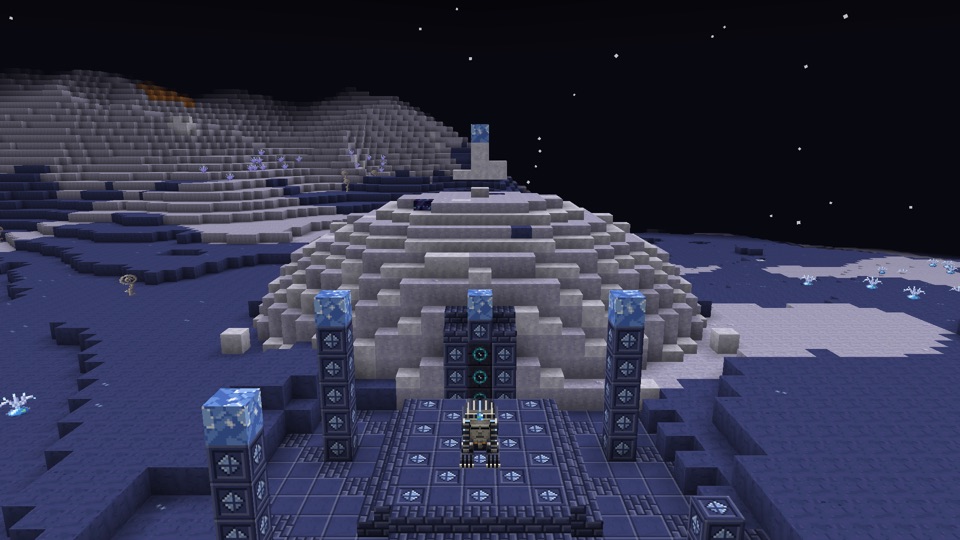
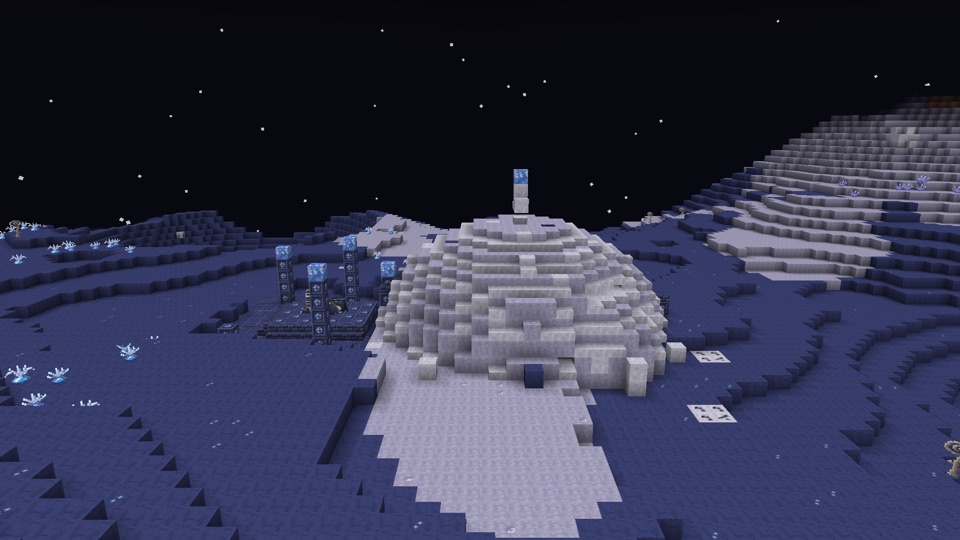
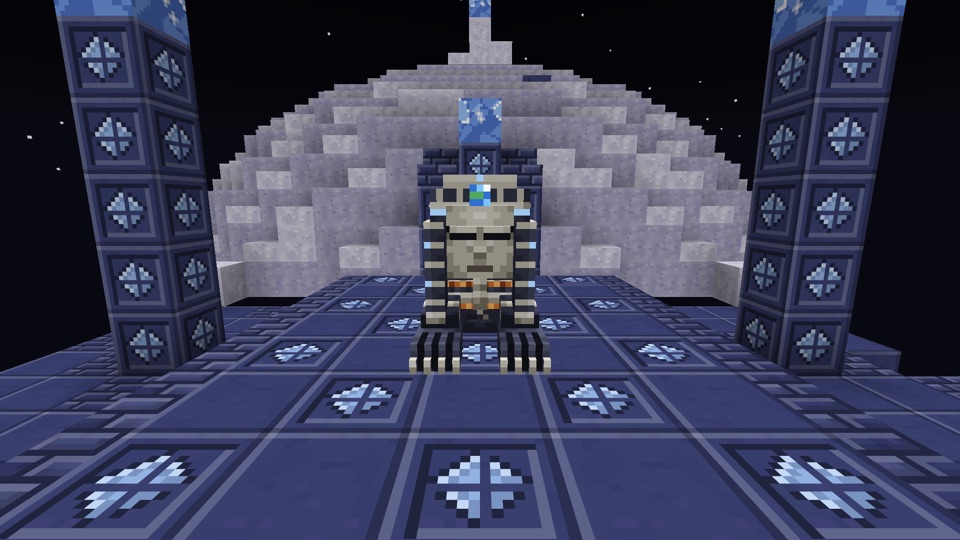
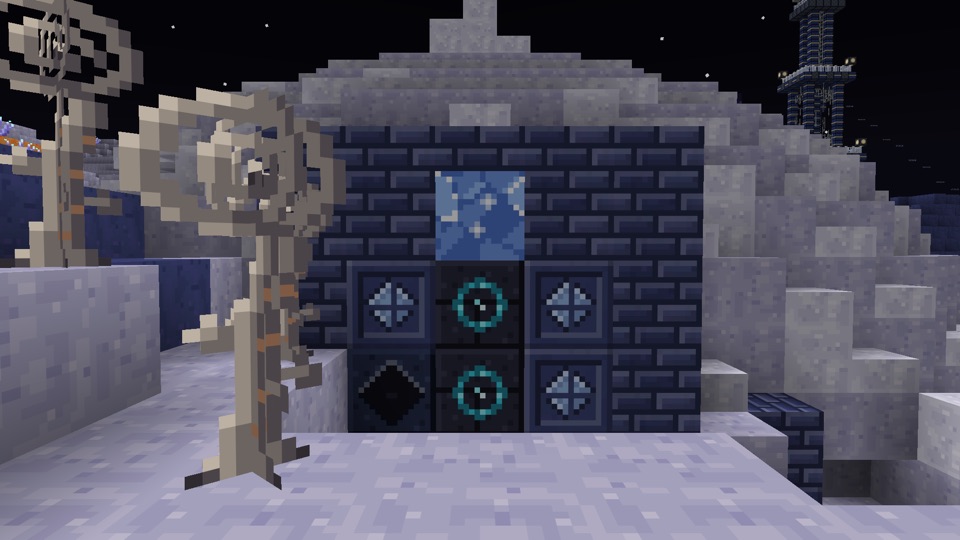
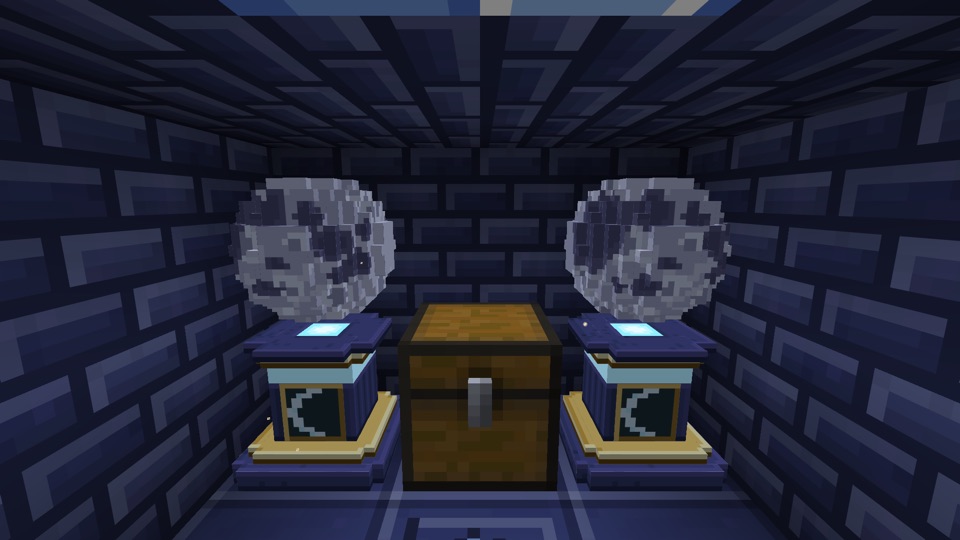
A mound of regolith on the mare, too even to be natural, with a ring of stones at its foot and a moonstone on top. Under it is a vault of basalt brick: a portal, a stair, an antechamber and a crypt with a sarcophagus whose lid has been pushed aside from the inside. Whoever sealed it left something to make sure it stayed sealed, and it is still on duty. The door in the northern slope is taken for a false one; the socket in its jamb waits for a selenite shard.
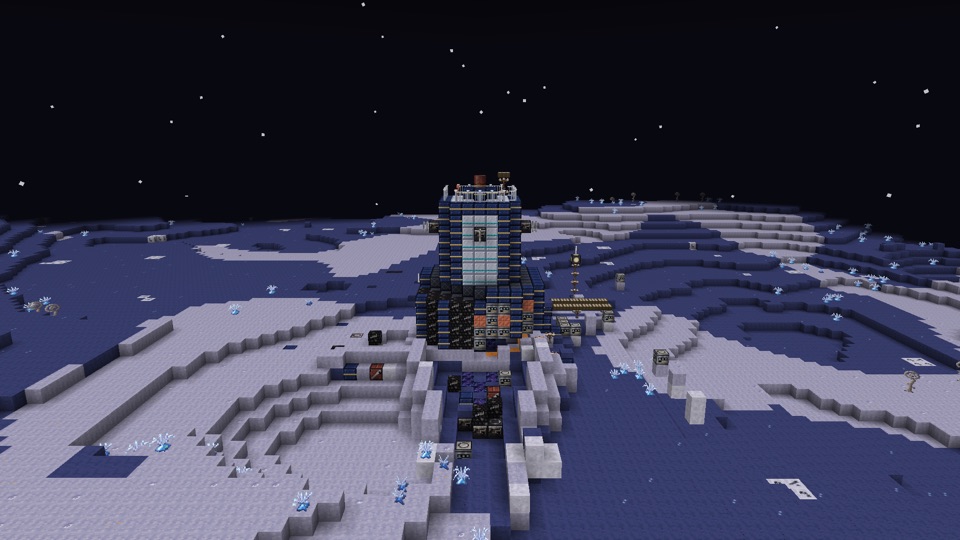
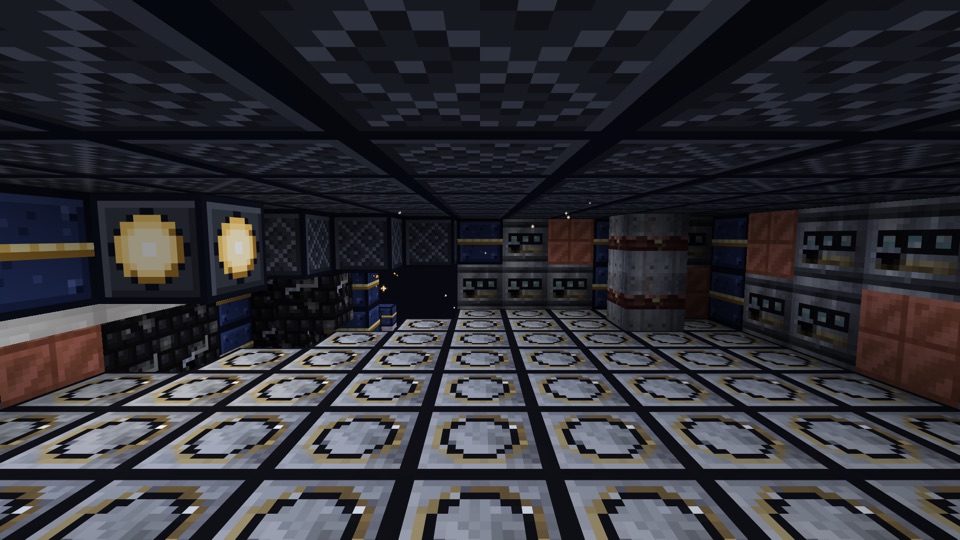
A lander that came in from the north too fast and too flat. It plowed a furrow to bare basalt, tore its engine off on a ridge and stopped on three legs with the fourth folded under it; the crew blew a panel off the descent stage to get at the cargo. They set up their instruments, broke a wheel off the rover and walked south. The hatch of the two-deck cabin is still open.
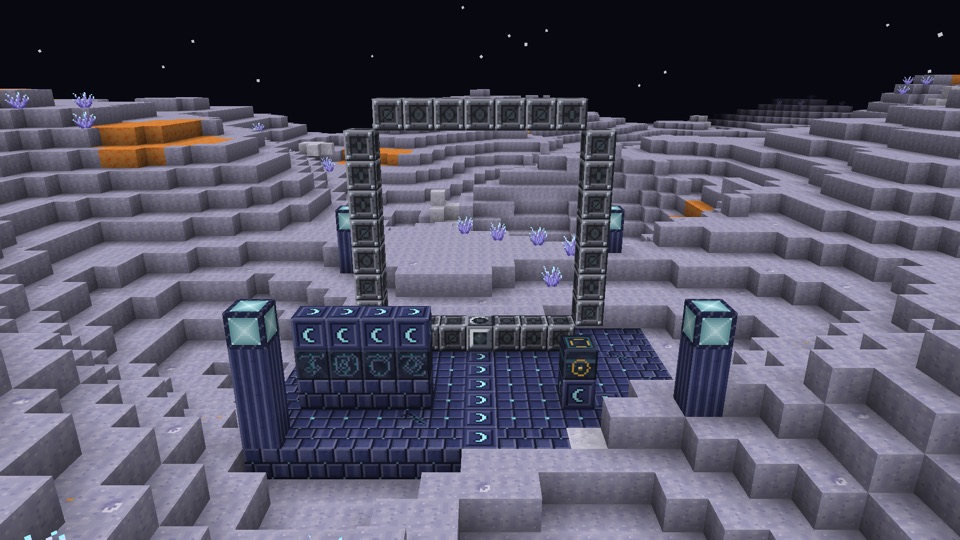
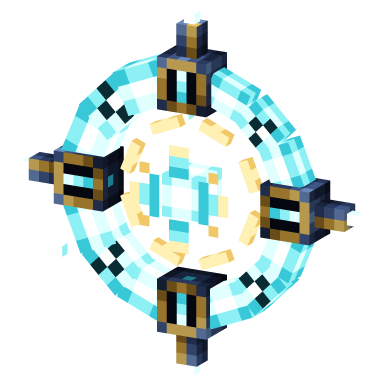
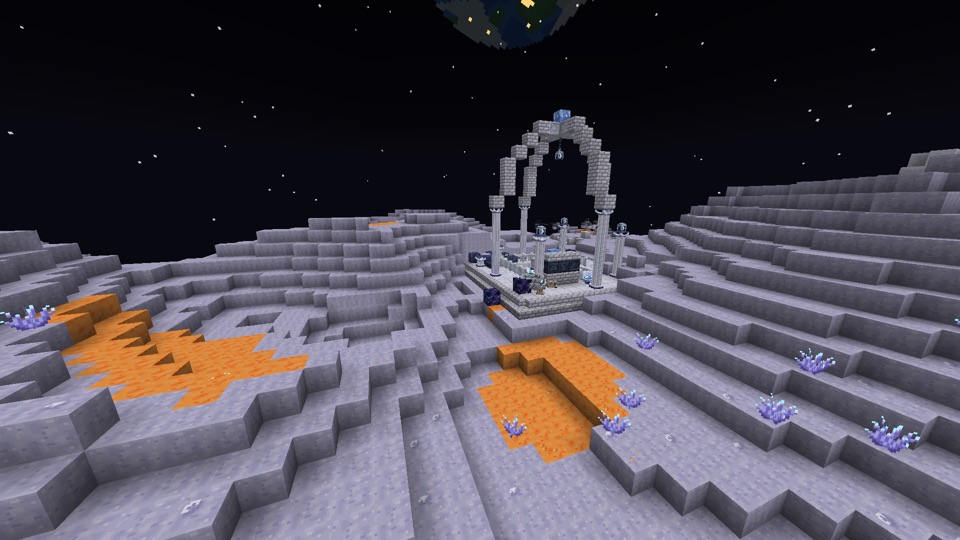
The same ring as on Earth, on a dais of the local stone and in the colors of this world: whoever set the gates out did it on every world at once. This one sleeps. It answers only one who has brought down the master of this world and lived through its trial; then lay the master's heart, the dust of the road and what this world gives into the ring, and it will join the other gates that are awake.
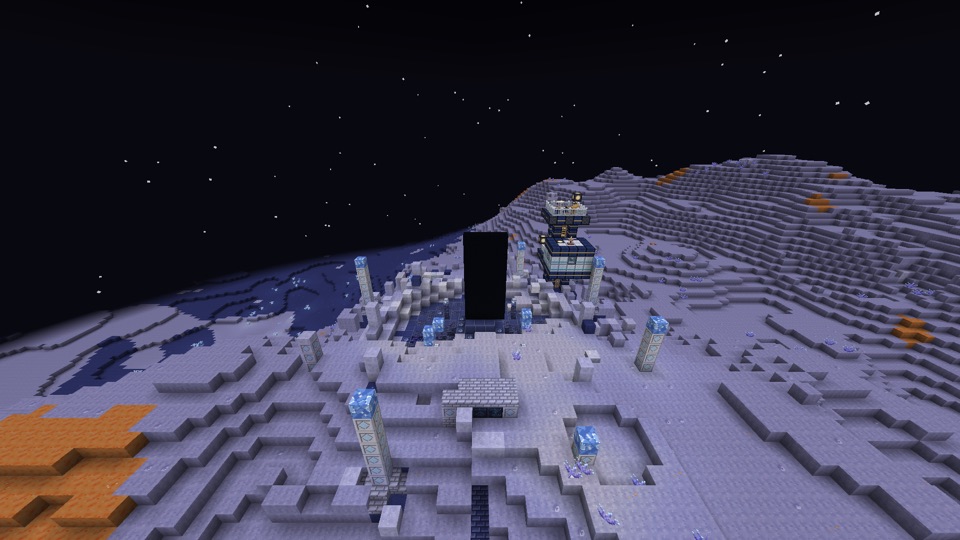
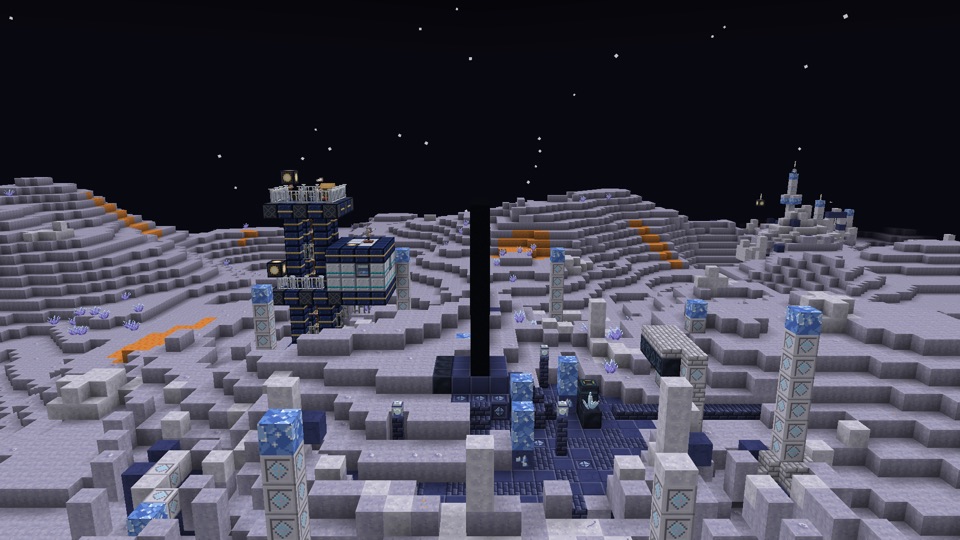
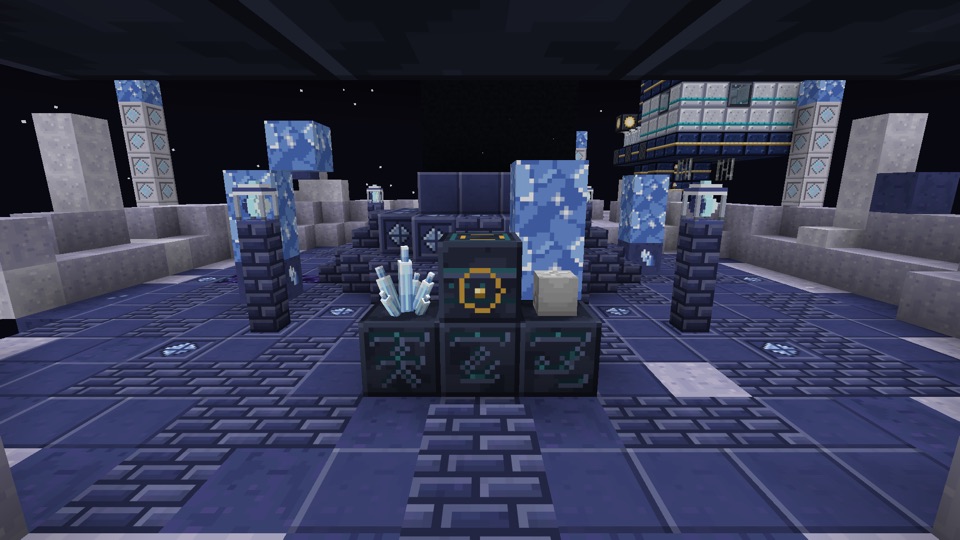
A paved square in a shallow crater, and in the middle of it a black slab, one by four by nine, smooth as still water. Somebody laid the paving, raised the cairns and set the altar; nobody admits to raising the slab. Its shadow has burnt itself into the stone, and the selenite at its foot leans toward it instead of toward Earth. An expedition put up a tower on the rim to watch it from above and lived on it for weeks: the cabin under the top deck still has two bunks and a drafting table, and their theodolite is still trained on the slab.
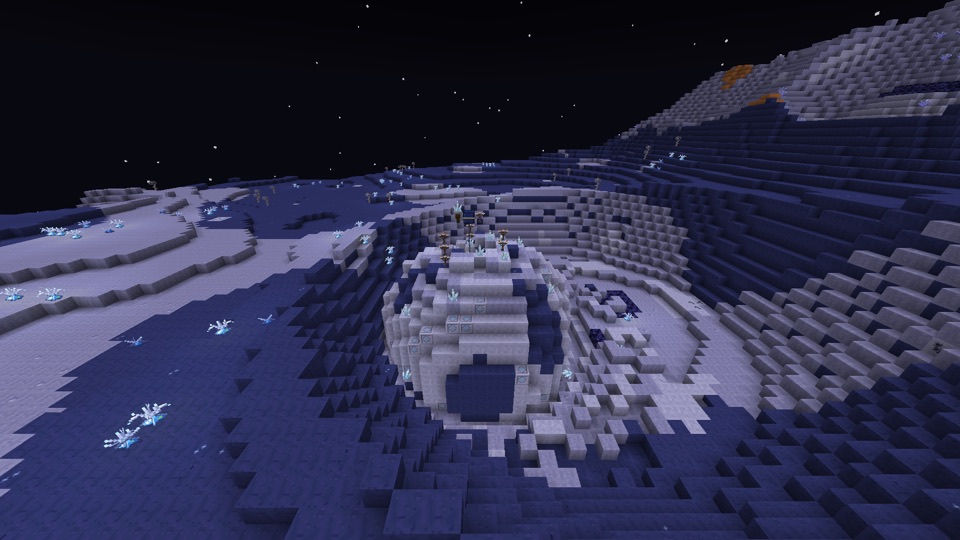
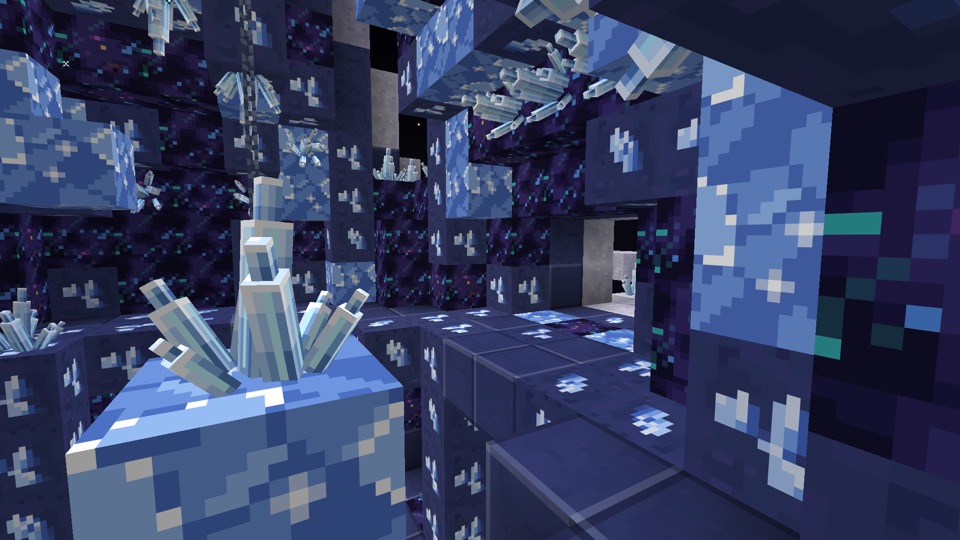
A stone sphere the size of a house, half sunk in its own crater and cracked from the top down; a piece of the shell lies beside it. Inside, under layers of basalt, glass and selenite, it is lined with druses pointing inward and moonstone that glows without a sun, with a ledge around the middle. Somebody set a tripod over the crack, climbed down on its chain, left a lantern at the bottom and a barrel in the back, and climbed out again.
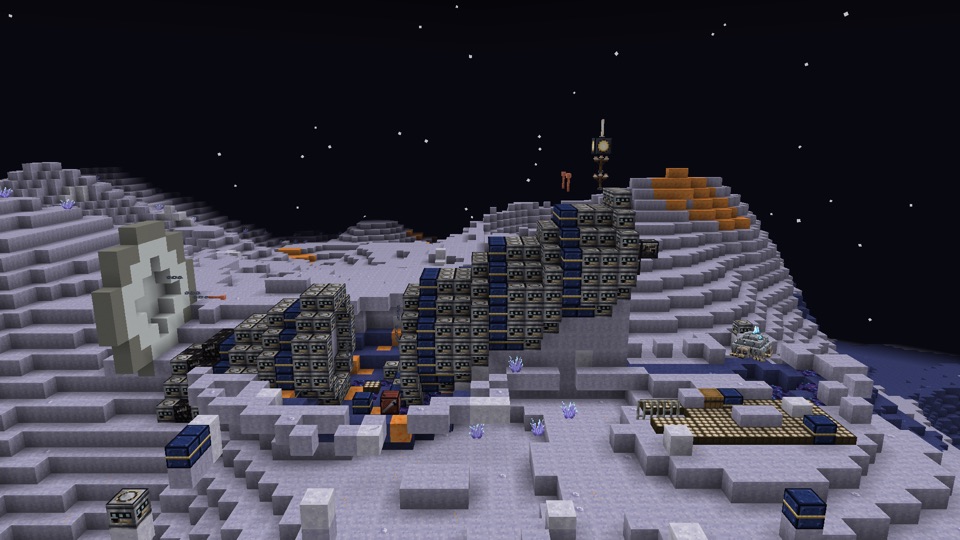
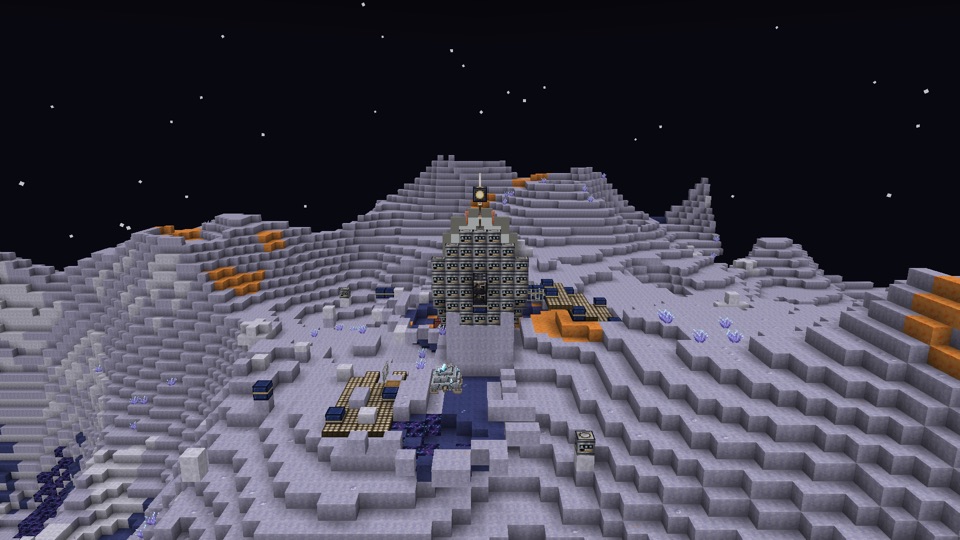
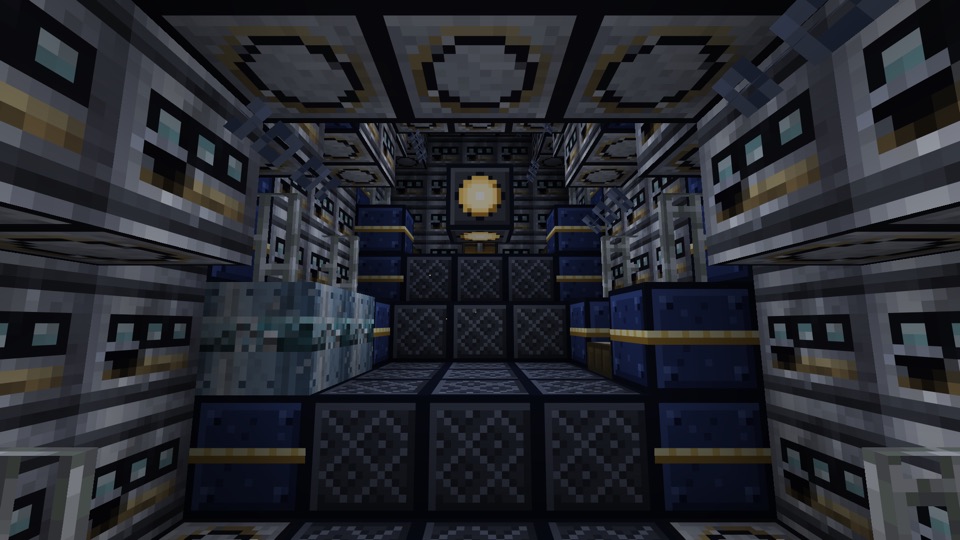
A relay satellite that lost its orbit and came down on the mare from the east: it bounced once, lost a wing, skidded to bare basalt and broke in two in its own crater. The nose is buried and burnt, the tail sticks up over the rim with its beacon still blinking, and you can climb into the instrument bay through the break. Its big dish stands on edge by the rim. A tortoise has taken the first crater.
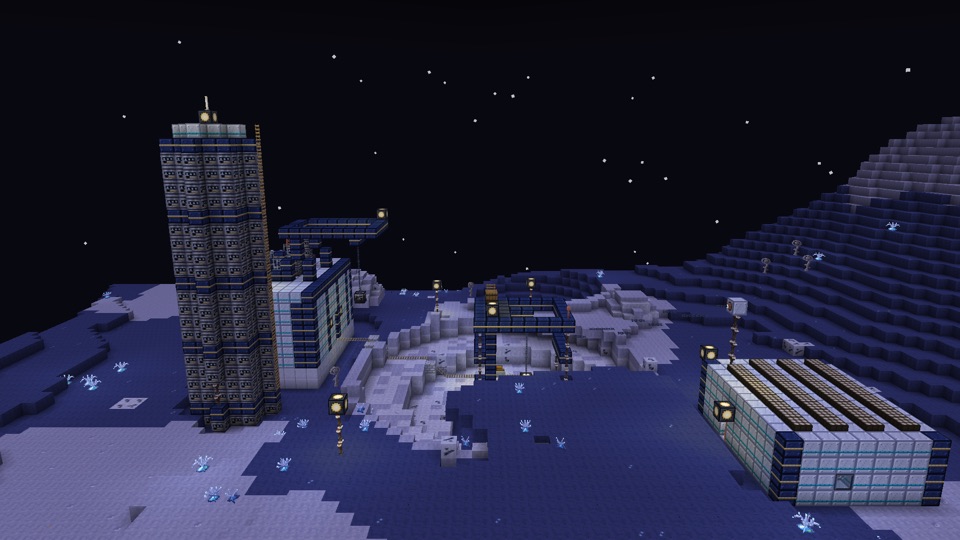
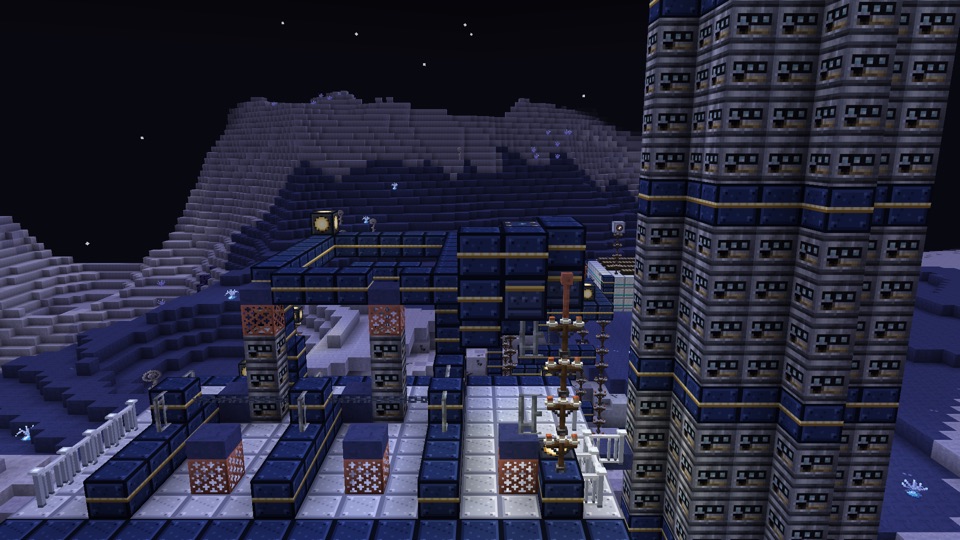
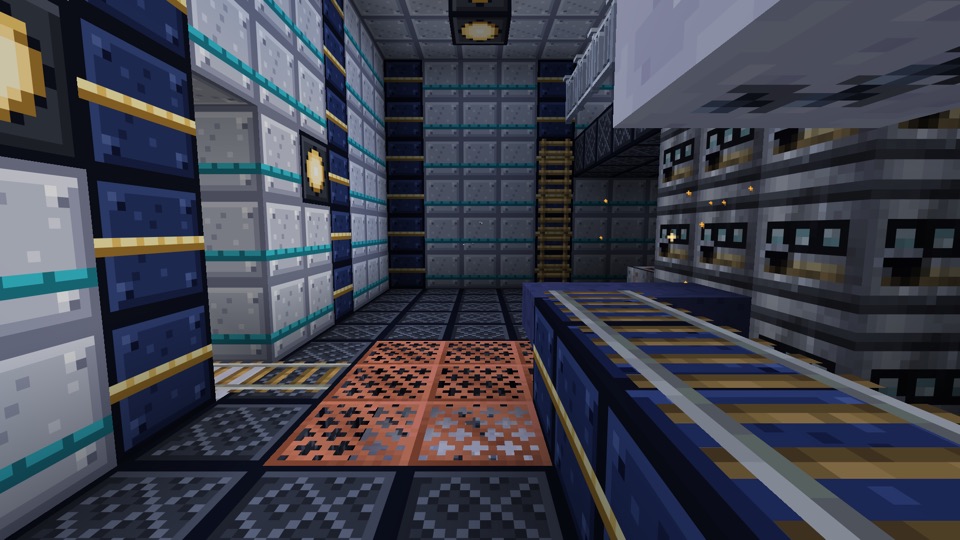
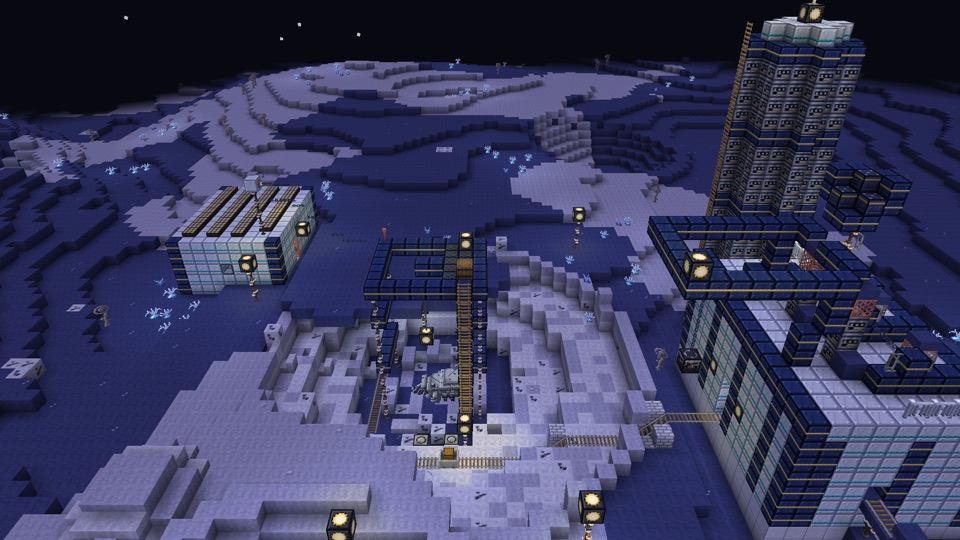
A pit cut into the highlands in three benches for ilmenite: titanium for a rocket that never came. The rails still run from the floor up past the benches to the plant on the rim, with its crusher, its conveyor to the spoil heap and an ore silo you can see over the hills; one cart is still loaded, the drill rig still stands on the floor and the crew module is unlocked. The crew walked out and did not come back for any of it.
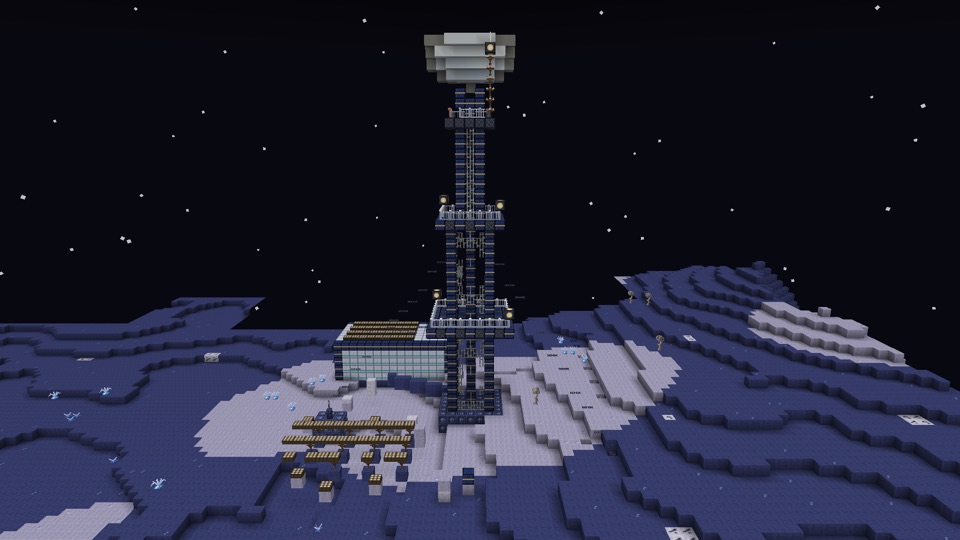
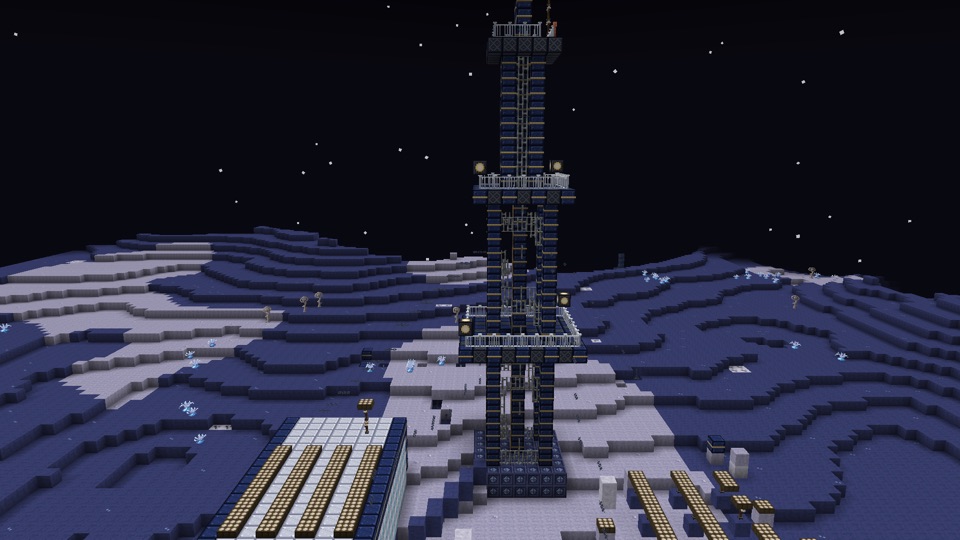
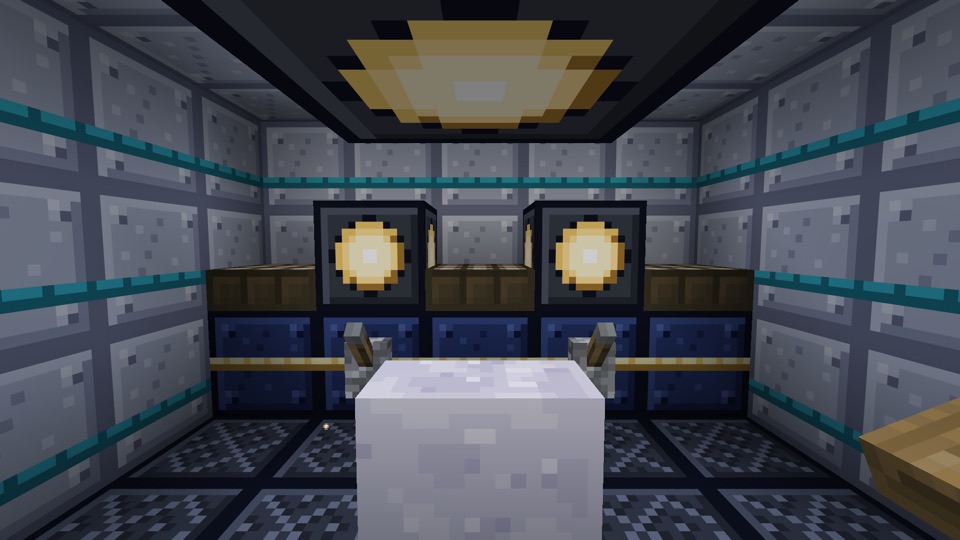
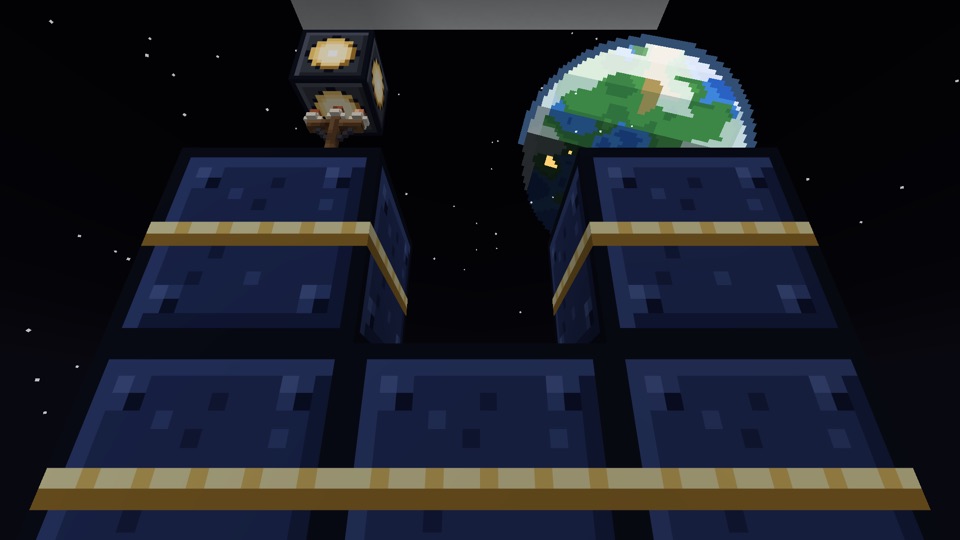
The first expedition raised this relay to talk to Earth: a lattice mast taller than anything else people built on the Moon, with platforms on the way up and a dish turned to Earth at the top, guyed with chain; an equipment hut with an airlock, a radio room and a power bay; a field of panels. The first mast they put up fell and is still lying where it came down. The beacon on the second still blinks, though nobody has answered it in years, and the hut is unlocked.
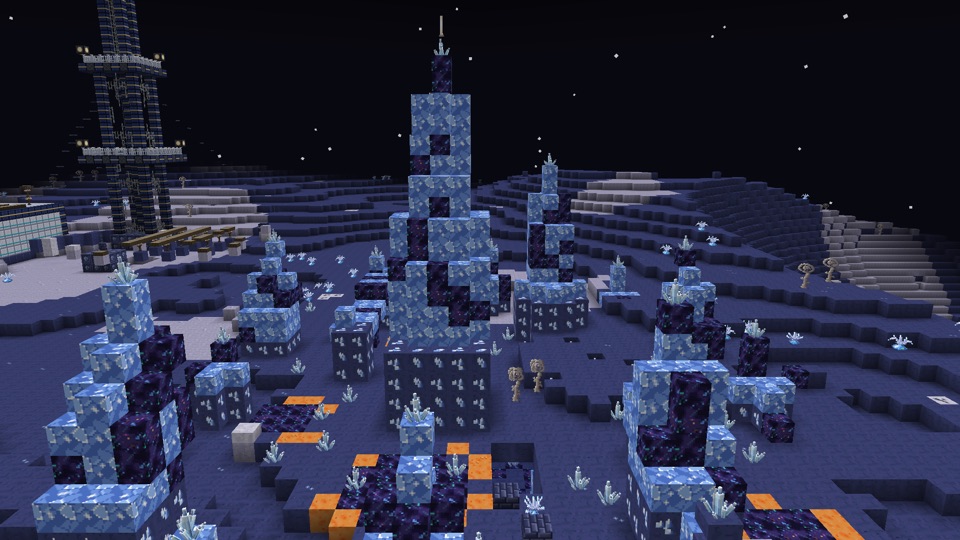
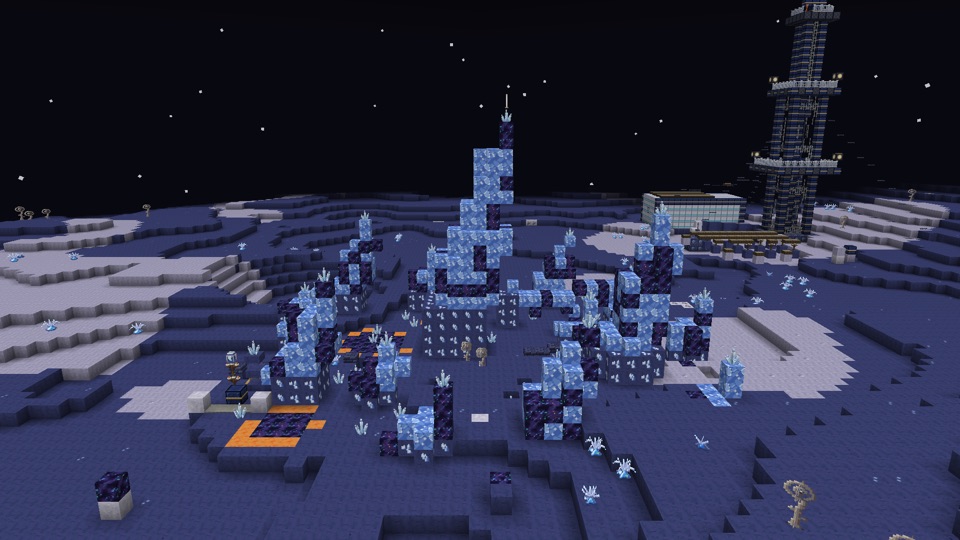
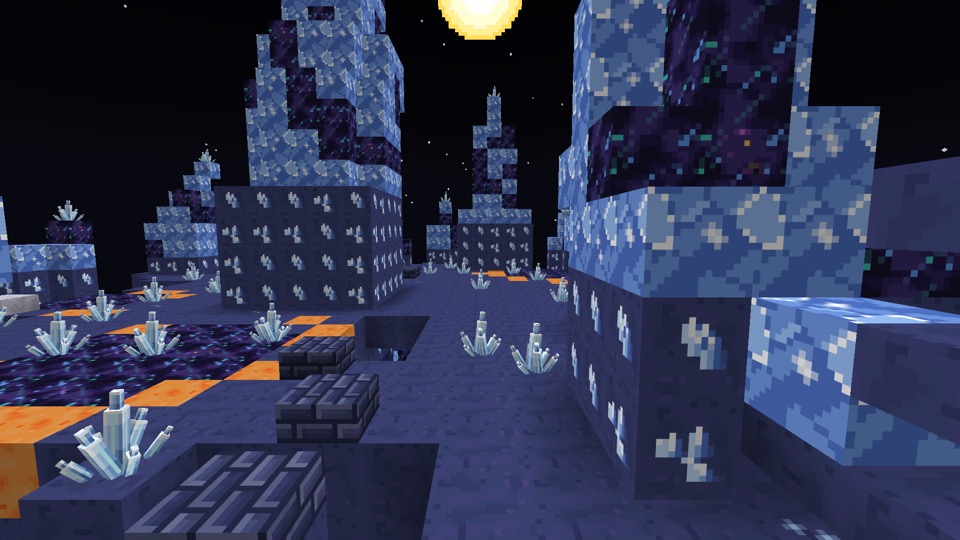
A field of selenite spires on a patch of mare basalt, every one of them leaning the same way: toward the place in the sky where Earth stands. The basalt under the tallest has melted and sunk, and through the crack at its root steps lead down into a grotto where the roots of the spires come out of the ceiling. Someone walked a path here from their camp and left their sample crate at the bottom; the pieces that break off keep glowing for years.
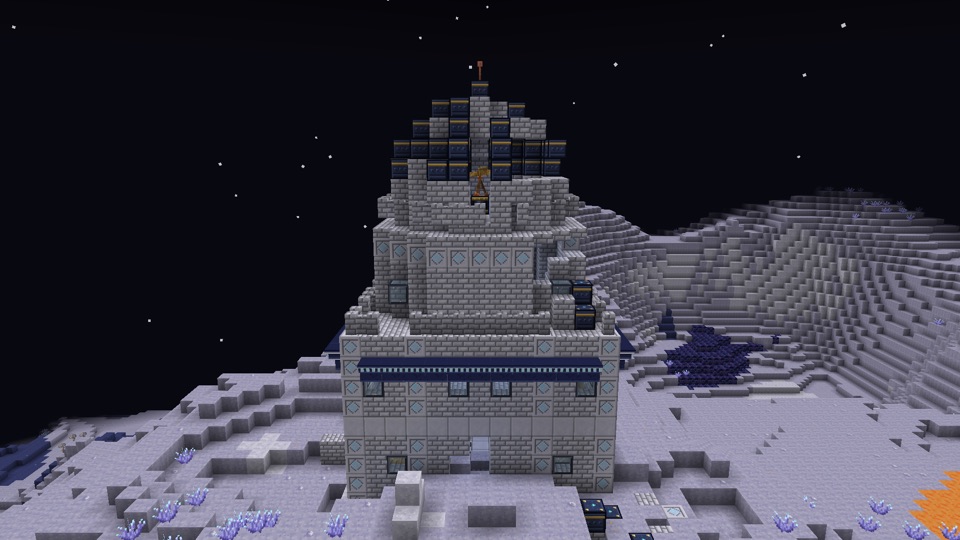
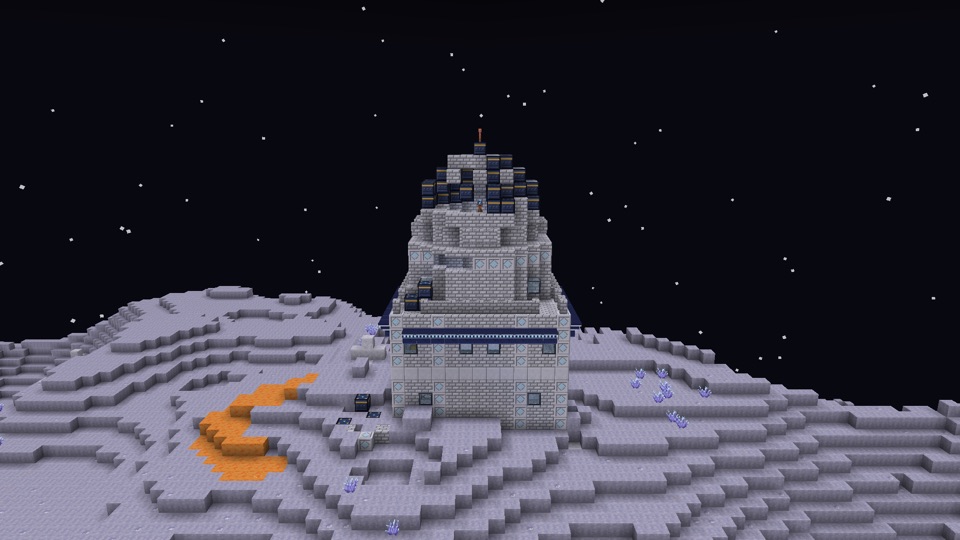
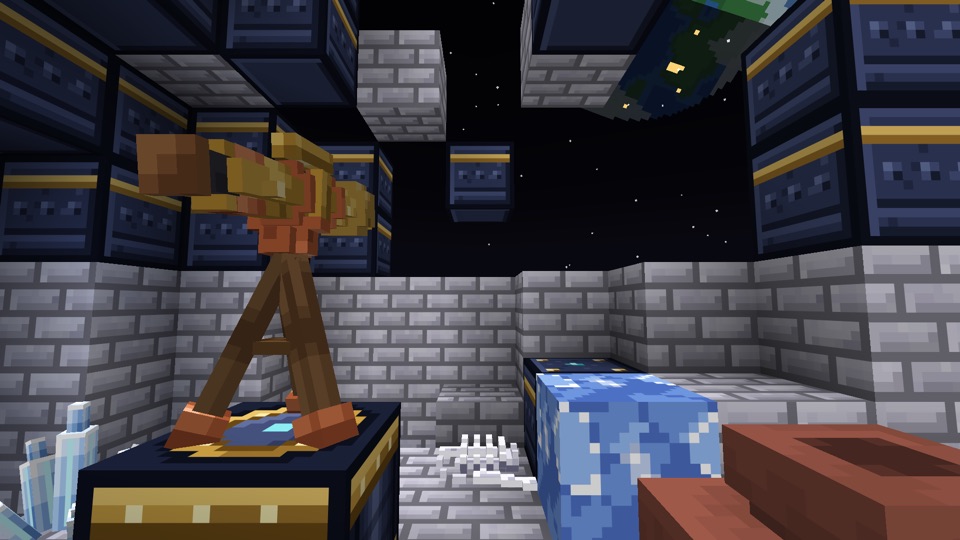
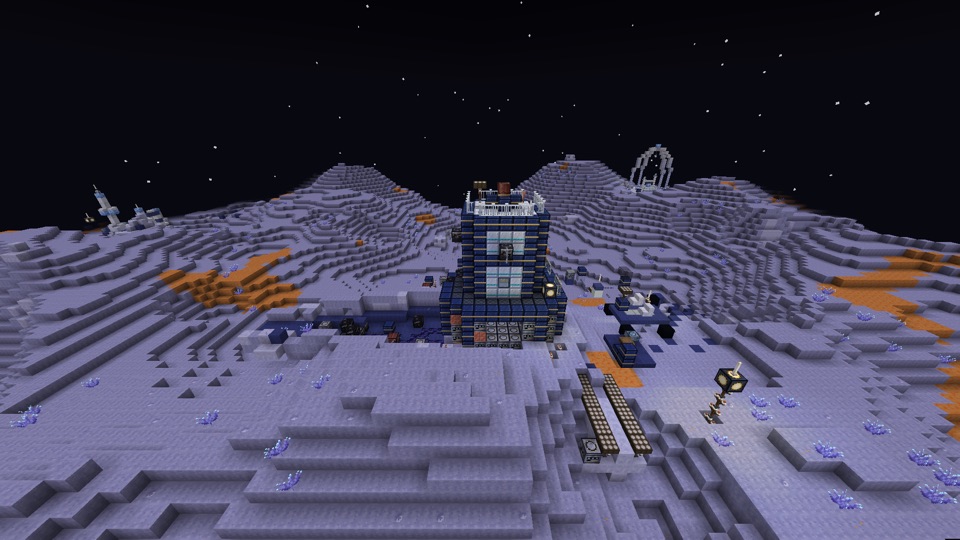
A tower of moon brick in four tiers: two floors of quarters, a round drum, a gallery and a dome of plated and bricked wedges with a slit facing east. The astronomers who built it stayed to watch the sky while their air lasted, and two of them are still at the refractor. The dome has come down on one side, and something has moved into the breach below.
Ores


Plants and food


Weather
- Micrometeorite Shower. Specks from space strike the ground in sparks. Without a helmet they wound; stardust settles from the sky.
- Levitating Dust. At dawn and dusk sunlight charges the dust: it hangs glowing over the ground, and a pale glow rises over the horizon where the Sun is. Gravity weakens: jumps are higher.
- Earthshine. At lunar midnight the full Earth floods the plains with blue light: night hunters come out less often, and earthshine lilies ripen faster.
Events
- Meteor Shower. Shooting stars cross the sky; stones strike the regolith, each with meteoric iron. At the peak a great meteorite falls
- Moonquake. The Moon rings like a bell. The ground splits, crystals glint in the cracks; the stalkers wake
- Crater Lights. Red lights rise over gas pockets. Dig under them, but the gas inside is freezing