
The Underweave
The spindle keel, the pattern in the riftscope, stitching into the Underweave and rewinding home along your thread.
The Interrift is the face of the cloth between worlds, and the rifts are holes in it. The cloth has an Underweave: a dark road ship with a spindle keel passes there like a needle — the keel folds the cloth, the nose pierces it, and a thread trails behind the ship to lead it back.
Spindle keel
| Tier | Reach | Made from |
|---|---|---|
| I “Basting” | up to 150 threads |  Spindle Keel I — around the Spindle, the Spinner’s heart |
| II “Lockstitch” | up to 600 |  Spindle Keel II — keel I, the Nacre Navigator, yarn and a ring spark |
| III “Blind Stitch” | up to 1500 |  Spindle Keel III — keel II, a pattern card and a shadow snapshot; there is a spare recipe without the card — see The way and the prices |
A “thread” is the measure of the road: how many warp threads to pass through. The keel goes into a dark road ship’s slot; leaving the Interrift takes a class A ship or better.
The pattern: a place record
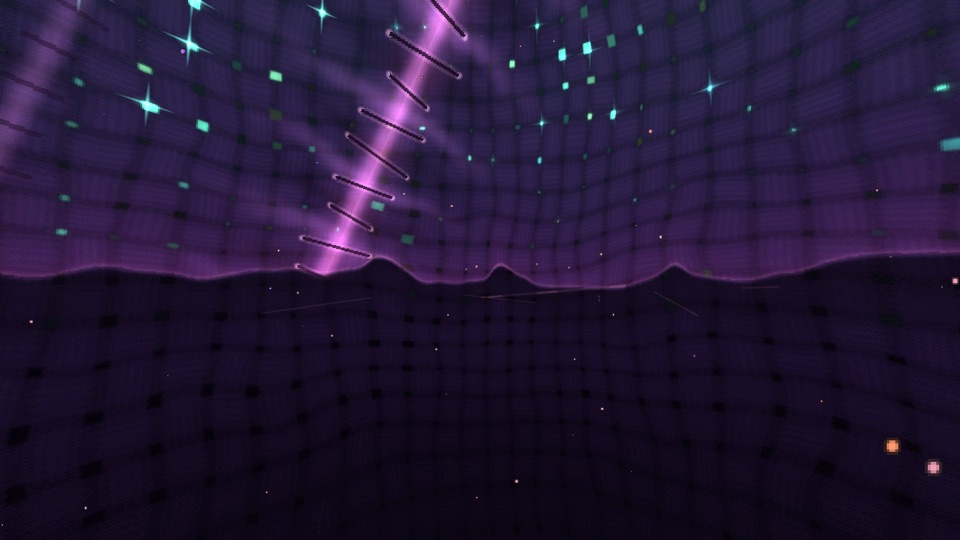
Once you have read the Tablet of the Warp (its niche is in the Loom’s treasury), the second mouse button turns the riftscope sky inside out: the cloth peels from the edge, revealing warp and weft, rifts become darning, and toward every Underweave place lies its sign. Trace it with the crosshair while holding the button; slip off and you start from the edge again. A traced sign becomes the place record, and the place appears on the “Pattern” map.
The stitch
The map aboard a keeled ship is the “Pattern”: the Interrift is a patch in the middle, places are pieces pinned around it with the price there and back. Choose a place and set the course. You can only charge in open void — above or below the island field.
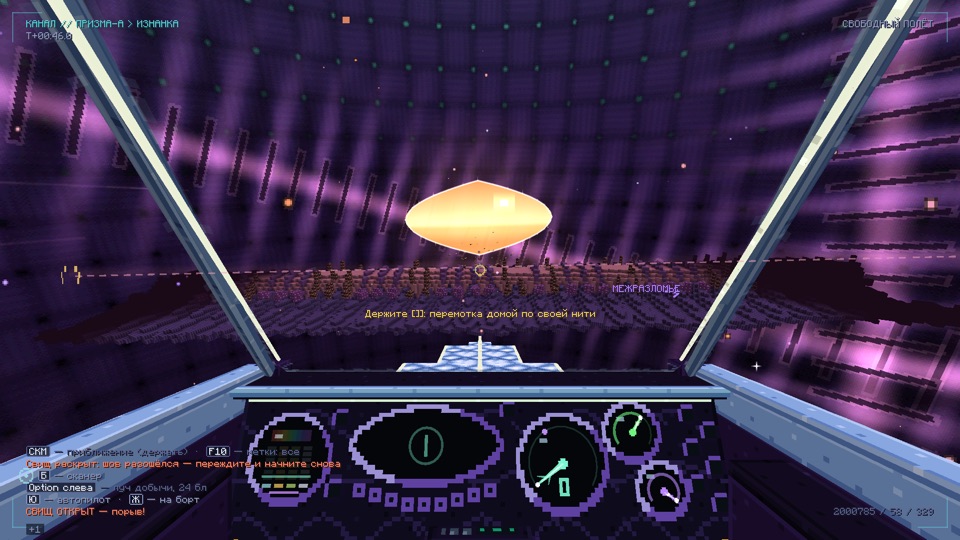
The place’s pattern rises in front of the ship: hold the jump key and lead the nose along its segments. If the nose slips, the last segment unravels. The first stitch to a place uses the full pattern, later ones a short one. “Auto-stitch” traces it for you for 8 extra shards.
Price: liquid pearl from the ship’s tank (less with a higher keel tier), 12 void shards and spools of thread — a Weaver’s Bobbin or a void thread block, one per 100 threads. Recharge takes 2 minutes. If there won’t be enough pearl to get back, the instruments warn you: charging again means you agree.
Home
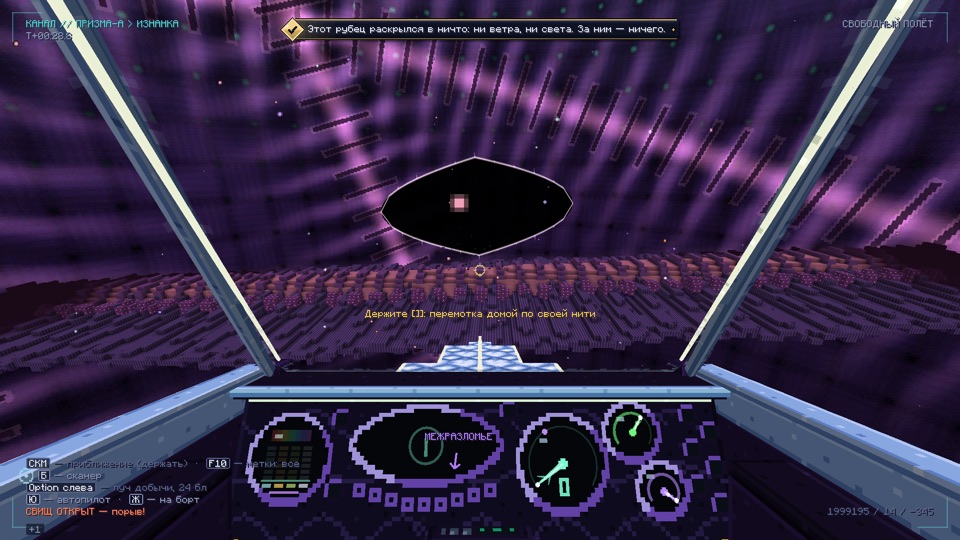
In a place you can see your own thread — a glowing trail from where you came out to the edge. The default course is home and needs no gesture: hold the jump key for 3 seconds and the ship rewinds along the thread. Half the pearl, no shards, and the spools return to the hold; you come out where you pierced.
Out of pearl — pull the thread from the map: 32 shards, and the thread slowly hauls the ship home. No thread — an emergency knot: shards and the hull down to a quarter.
The stitch on screen
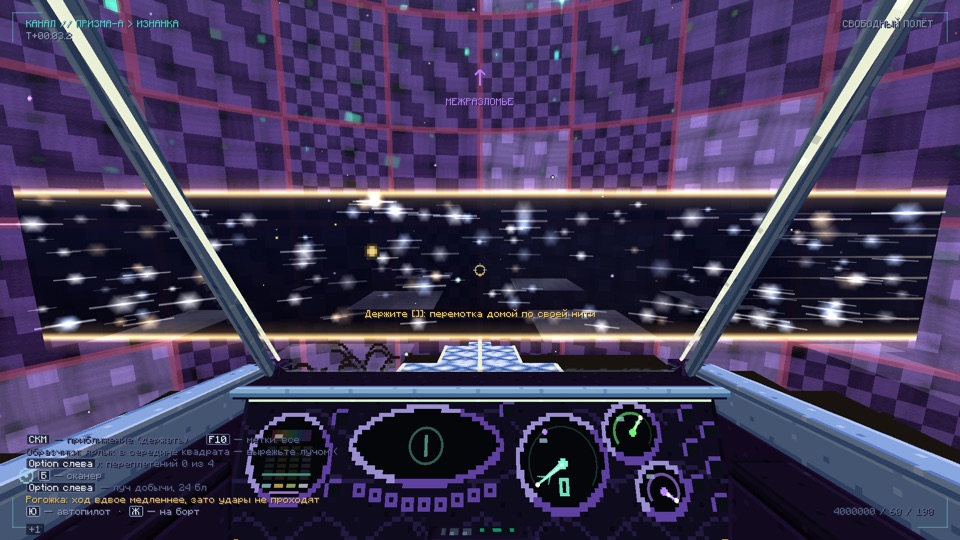
The cloth gathers into folds toward the nose at the edges of the view, then a white needle pierces the frame and it parts along the cut — lilac weave behind it. The ship passes like a shuttle through the shed between the warp threads; on the way out the batten strikes and a glowing stitch cross hangs in the air. How rich it is depends on “Mod graphics”.
A crewmate nearby sees the stitch from the outside: the ship draws out into a needle of light, space parts ahead of its nose in a huge lilac tear with frayed edges, several times taller than the ship itself, and a thread trails behind the stern. The needle slips into the tear, the thread jerks in after it and pulls the tear shut — a seam of cross stitches zips up in a bright streak and flares, leaving a melting scar and slow drifting lint. When a ship comes out of a stitch nearby it runs the other way: a scar shows a couple of seconds early, the seam flares and splits open, and a needle comes out of the tear and becomes the ship. If the pilot breaks off the jump at the last moment, the seam at the exit point fades without ever opening.
The way and the prices
The road has one required place — the Warp Sargasso: the Lockstitch cannot be built without its yarn. The other places are
optional. The Blind Stitch is built in two ways: with a  Pattern Card from the loom of the Sampler — or by the
spare recipe without it: a
 Warp Spool, a
 Void Lens, two
 Sargasso Yarn,
 Condensed Void and a
 Void Shard on top of keel II, the shadow image and the ring spark. It is
dearer, but needs no far stitch.
A stitch is paid in fuel from the tank; the price never rises above 5 buckets, however far the place lies. Any place of its own tier can be reached on a full tank of any void ship; rewinding home costs half the price.
| Place | Threads | Tier | Keel I | Keel II | Keel III | Shards | Spools | Home | There and back |
|---|---|---|---|---|---|---|---|---|---|
| The Warp Sargasso | 40 | I | 3.1 | 2.7 | 2.2 | 12 | 1 | 1.6 | 4.7 |
| The Scarfield | 110 | I | 4.6 | 4.1 | 3.5 | 12 | 2 | 2.3 | 6.9 |
| The Sheer | 320 | II | — | 4.6 | 4.2 | 12 | 4 | 2.3 | 7.0 |
| The Sampler | 480 | II | — | 4.8 | 4.5 | 12 | 5 | 2.4 | 7.2 |
| The First Thread | 1400 | III | — | — | 4.9 | 12 | 14 | 2.4 | 7.3 |
| The dark berth | the fold of the Loom | III | — | — | 4.9 | 12 | — | free | 4.9 |
The last column is the price there and back with the place’s own tier. Tanks of void ships: the Captured Shell — 5 buckets, the Moth — 6, the Thorn and the Captured Patcher — 8, the Lash — 10, the Prism — 12, the Captured Tug — 14, the Comb — 16. A stitch to the required Sargasso costs three quarters of the usual price: the Moth with keel I goes there and rewinds home on one tank, with 1.3 buckets to spare. A tank of 8 buckets or more is enough there and back to any place; for the other places the Shell and the Moth need refueling for the way home, a tank module — or the thread, which can be pulled.
The dark berth. With the Blind Stitch keel and the shadow image the fold of the Loom parts: fly the ship into it. The fold takes its price — 4.9 buckets of fuel and 12 void shards; the instruments name it as you come close. The way home is the veil of the fold beside the berth, and it is free. After the finale a ship of any road with its own tier III also reaches the places of the Underweave.
The Warp Sargasso
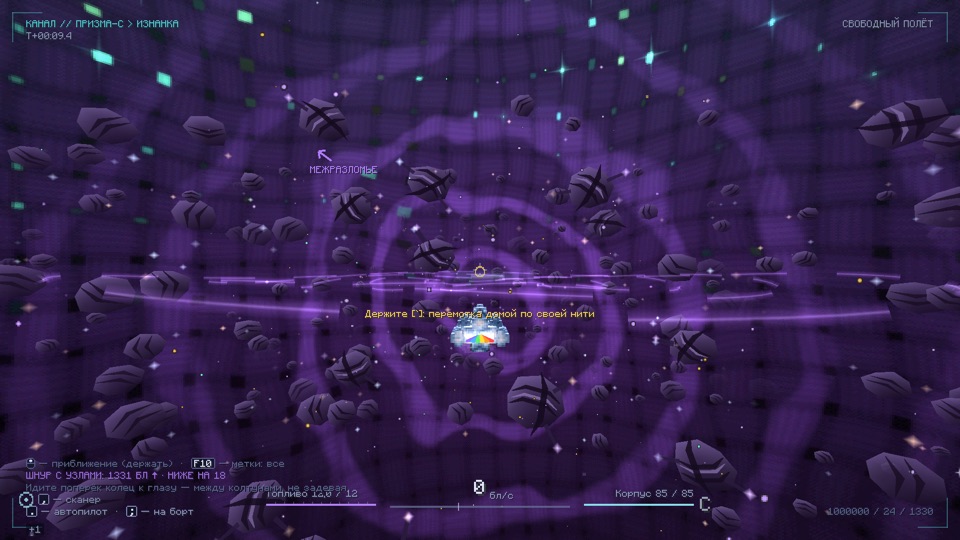
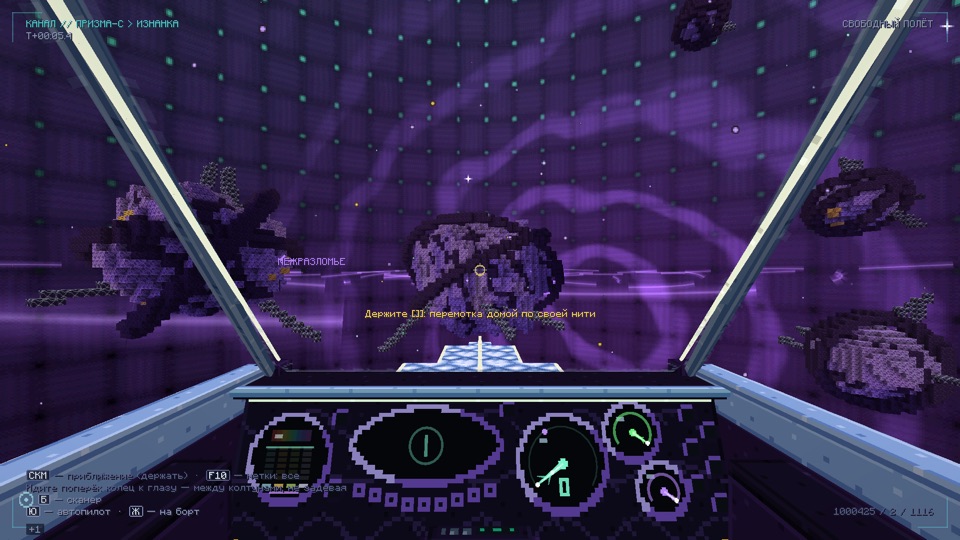
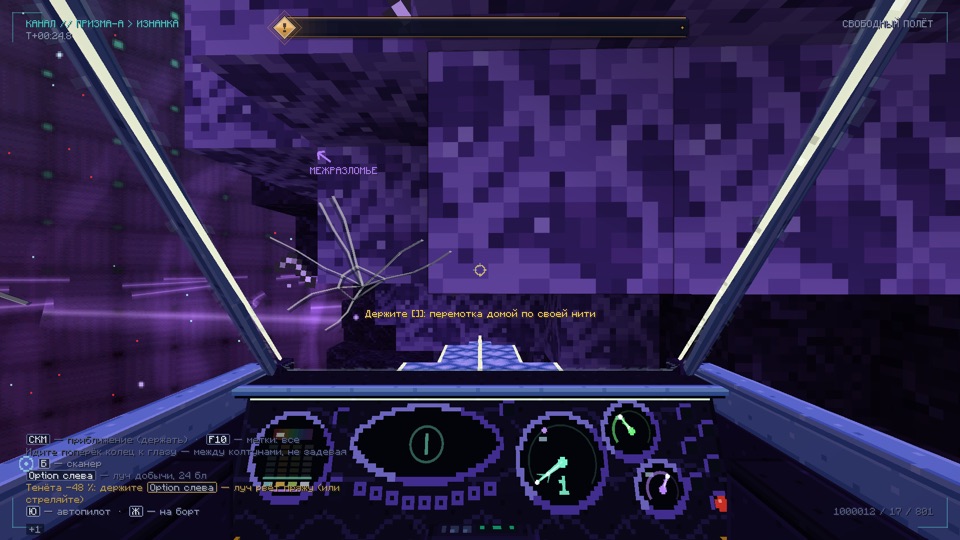
The first and required place of the Underweave (40 threads, keel I): a sea without shores. Five rings of yarn tangles stand like walls through the whole height of the place around a quiet eye; above and below the rings is yarn haze, so they cannot be bypassed — only crossed, between the tangles. The ship comes out beyond the outer ring, facing the eye; a glow shows there from afar. The rings are visible right from the exit point: the tangles stand ahead as dark balls wound with loops, with lights burning on the tips of their floss (an amber one means the tangle holds skeins). Fly across the rings, between the balls.
- Snares. Touch a tangle and the yarn wraps the hull: speed drops by up to 70%. Tear it with the mining beam or by firing; on its own it comes off slowly. The yarn is springy: hitting a tangle barely hurts the hull — it holds you instead.
- Sargasso yarn. Amber skeins hide in the tangles — the scanner marks tangles with skeins. Cut them with the beam:
Sargasso Yarn goes into the “Lockstitch” keel.
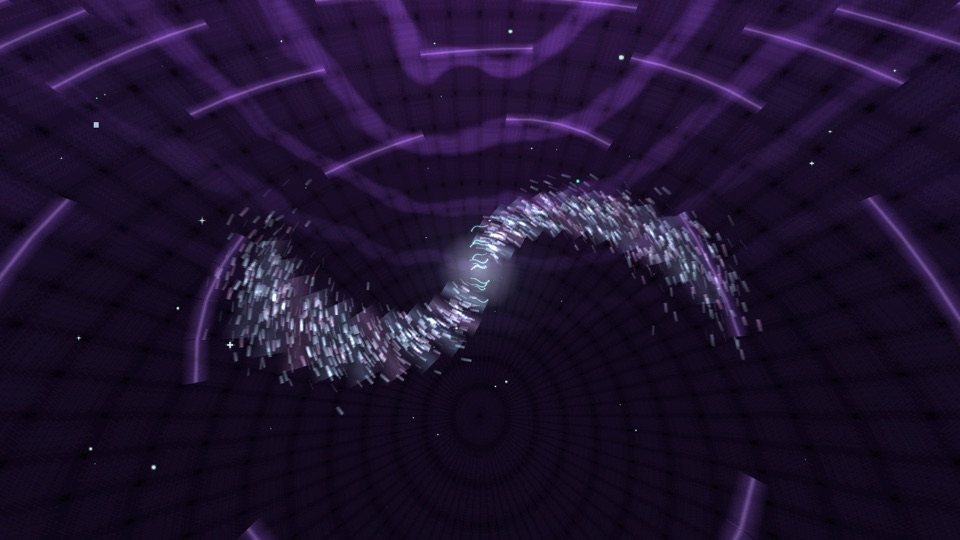
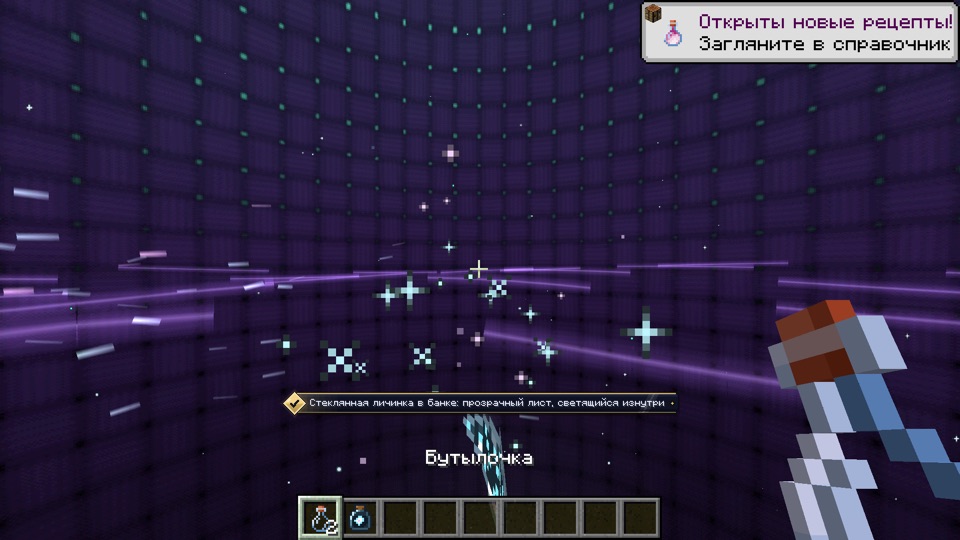
- The eye. Past the last ring the hum of the rings dies away. Thousands of glass larvae turn around the nest like a galaxy, and a wedding spiral of eels winds in the middle. A scanner pulse in the eye records the spawning — on Earth eels swim to the Sargasso Sea to spawn, yet no one has ever seen it. Void eels guard the spawning and drink the tank.
- The glass larva is a transparent leaf glowing from within. Catch one with an empty bottle: a bottle in your inventory and the mining
beam — or a bottle in hand outside the ship. You get
 Jar with a Glass Larva.

The Scarfield
An optional place (110 threads, keel I): a field of rifts sewn shut, seen from the underside — ridges of rough stitches with the knots outward, the cloth around them gathered into folds. These are roads to worlds closed for good. One great seam arches over the field, with slow waves of light running along it; at the horizon lies the edge of the field, far ridges of scars. Two old seams nearby are barely visible: they healed long ago.
- Fistulas. The scars breathe: now and then one opens into a slit for three seconds, another world shines behind it, and its wind blows out — the gust throws the ship back and, close up, strikes the hull. The instruments warn when a fistula is about to open.
- Constriction. Near a scar the cloth pulls the ship toward the seam like a gravity well: keep your speed up.
- Listening. Look into an open fistula from close by — what lies beyond is recorded. Different worlds blow through the fistulas.
- Darning. Some scars have come loose (their stitches smolder). Aim at the knot at the end of a weak scar and lead the stitch
along the seam to the other knot while the fistula is closed. A darned scar goes quiet — for you; the reward is
 Scar Thread. The knots of the stitches also give scar thread.
- One of the scars is not like the others.
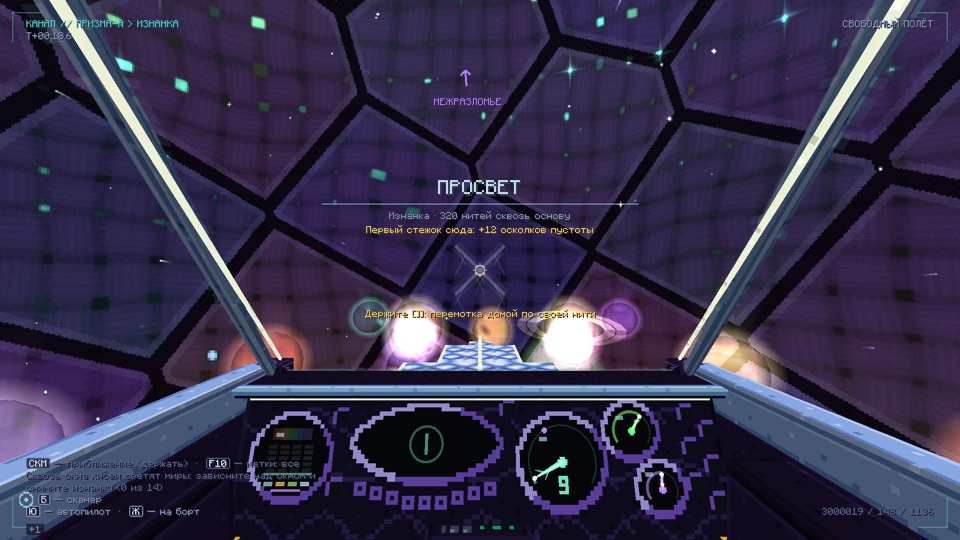
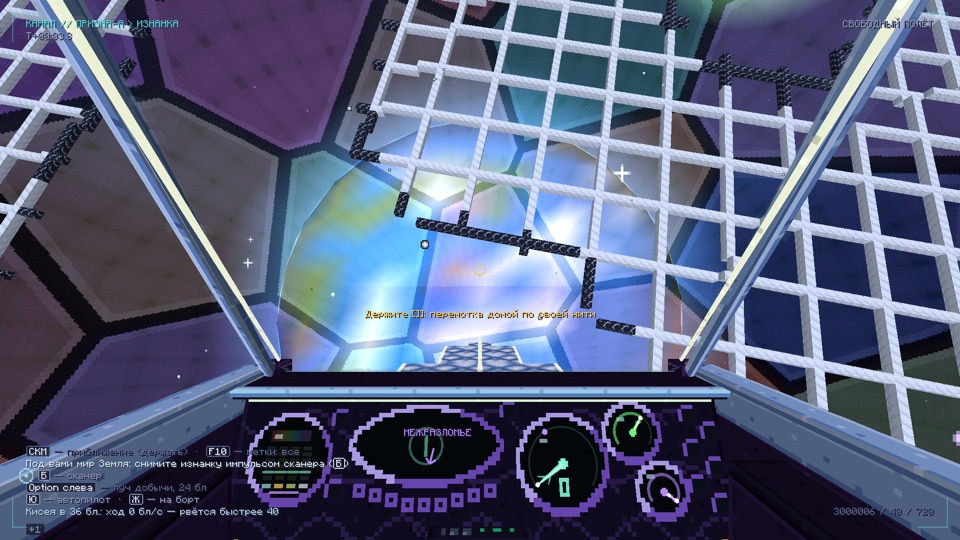
The Sheer
An optional place (320 threads, keel II). Its sign on the underside of the sky is a rose window whose rim trembles like gauze in the wind. Here the cloth is worn down to gauze — a glowing net of threads across the whole place — and through it, from the other side, shine the worlds you have already landed on: mirrored, like stained glass seen from behind. Earth and the End are always there; the other windows light up as you walk the roads — every player has a sky of their own.
- The underside of a world. Hover over a window where a world shines and send a scanner pulse: the world is recorded
“from the other hand”, and
 Sheer Gauze lands in the hold. All the worlds that shine for you — a separate
journal entry.
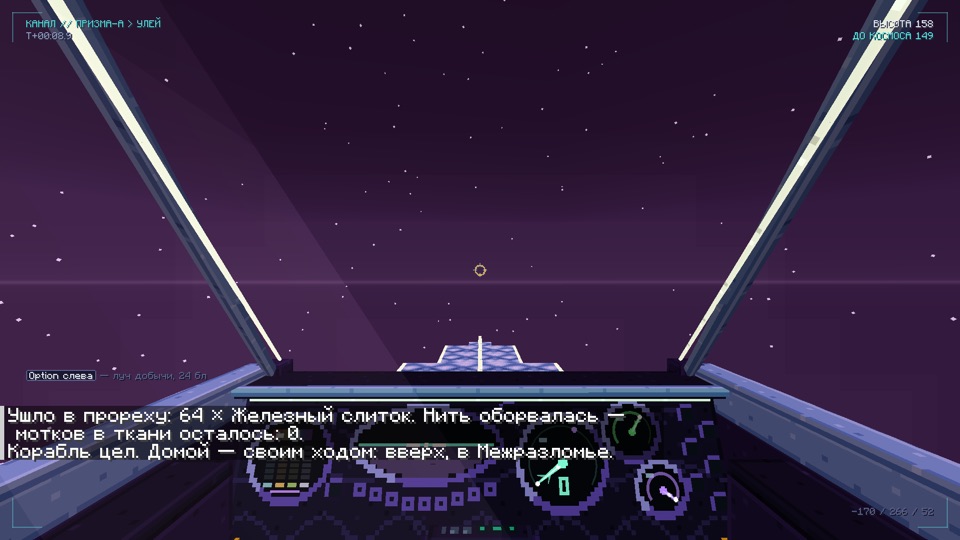
- The gauze tears. Right at the gauze do not fly faster than 40 blocks a second — the instruments show your speed and the limit. Tear it, and the ship falls out whole into one of the dark road’s worlds (the Facet, the Hive, the Breath, the Eye or the End; over the window of such a world — into that one), high above the ground. A third of the stacks in the hold go into the tear — the game names exactly what was lost — and the thread home snaps: you fly back under your own power.
The Sampler
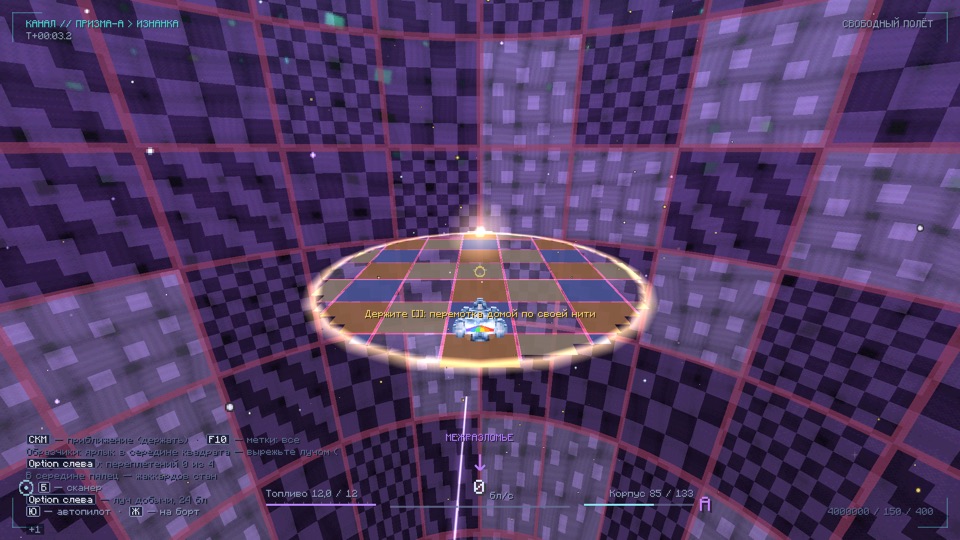
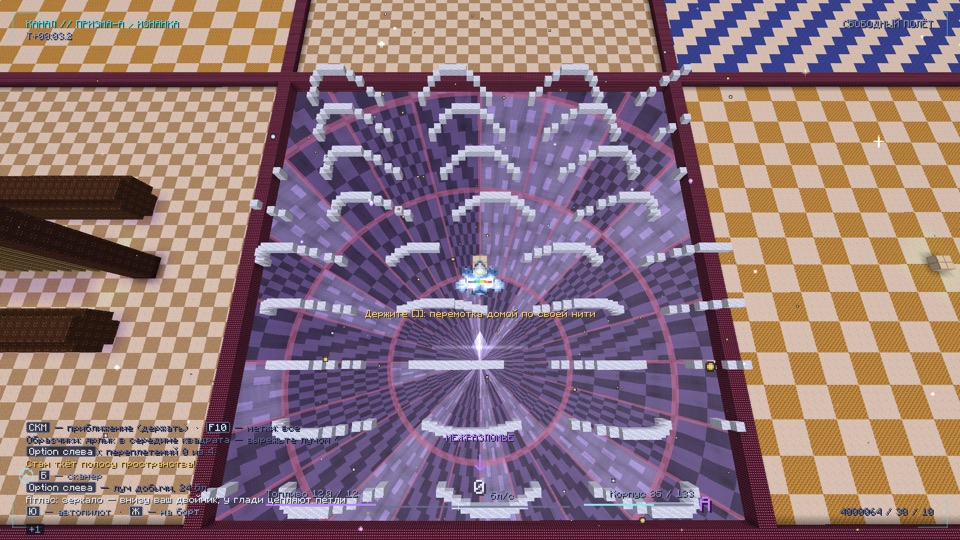
An optional place (480 threads, keel II). Its sign is a twill staircase creeping along the diagonal. This is the Ringwrights’ workshop: a hoop four hundred blocks across holding a trial cloth of space, made of 64-block sample squares. The weave of a square is plain to see, and each one has its own rule:
| Weave | Rule |
|---|---|
| Plain | ordinary space |
| Twill | pulls the ship along the diagonal |
| Satin | a mirror: the ship’s twin flies under the sheen and is seen from afar; the float loops above it snag — speed drops, the hull takes hits |
| Basket | half the speed, but blows to the ship do not land |
- Swatches. In the middle of every square there is a tag. Cut it out with the mining beam:
 Swatch. Four
different weaves — a journal entry.
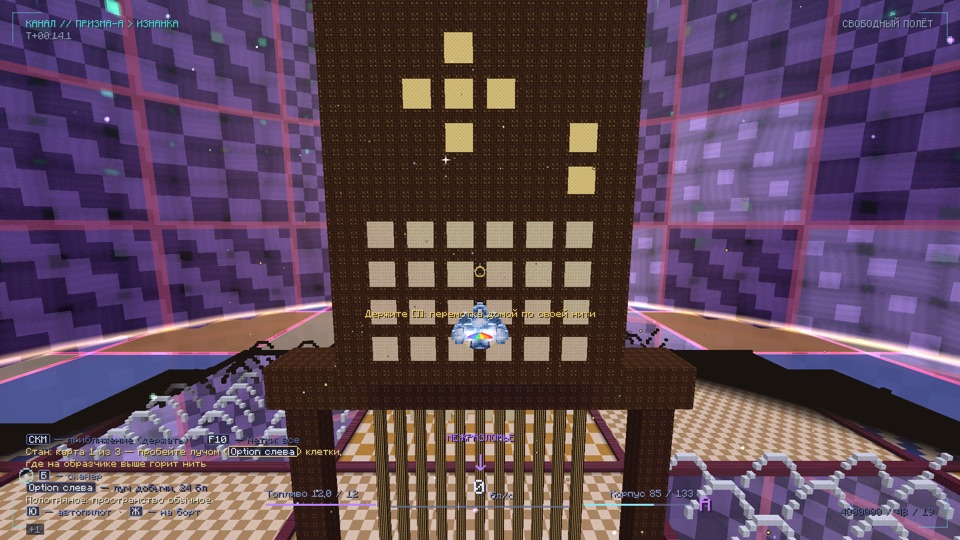
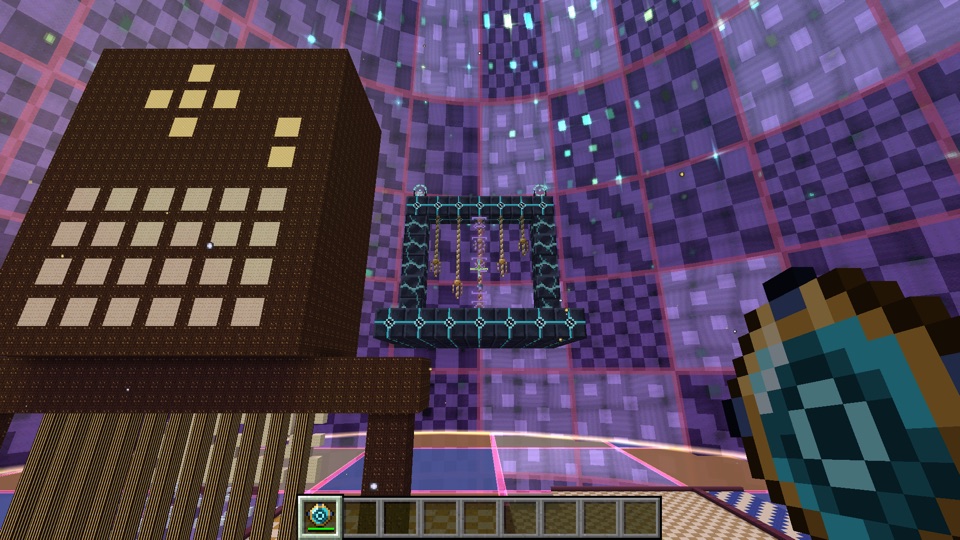
- The jacquard loom. A loom stands in the middle of the hoop: the sample pattern glows on the wall (lit means the thread is
lifted), and under it hangs a punch card. Punch the card with the beam to match the pattern: an extra hole spoils the card and
the loom threads it anew; a correct card gives way to the next one. Three cards — and the loom weaves a strip of space
across the hoop, with stars lighting up in it. Everyone nearby receives a Pattern Card: keel III needs it.
- Watch rings (up to three) patrol the loom. Their beam does not reach the pilot inside a ship — it burns the hull: a ring’s wind-up shows a second ahead, so slip out of the beam and do not linger at the card longer than you must. Over basket weave the blows do not land.
The First Thread
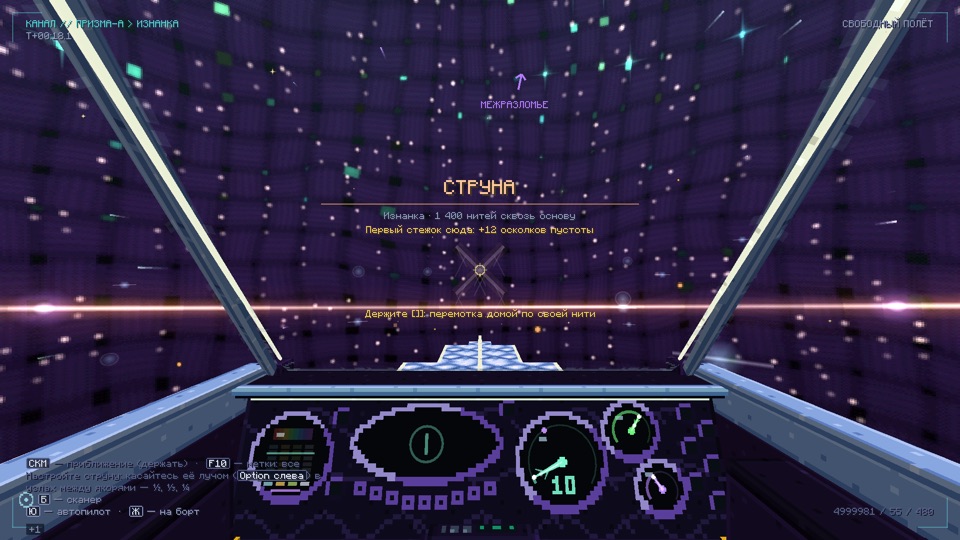
An optional place (1,400 threads, keel III only). Its sign is a straight line with nodes whose antinodes sway; on the underside of the sky it is seen as a thread across the whole sky. One red-hot thread through the whole place, its ends lost in the murk: the first warp thread of the dark road. Behind it everything is seen twice — bead islands, anchors, stars, other ships.
- The cut. Closer than five blocks the thread cuts: hull −40%, the thread home severed — the way back is the emergency one. The instruments warn in advance, and right at the axis the ship is pushed away.
- Harmonics. Between the two anchors the thread sounds. Touch it with the beam at a node — ½, ⅓, ¼ of the span between the
anchors — and hold for a second: the thread gives a tone. The ruler under the beam shows the anchors and the beam but no
marks — find the nodes yourself. Three different tones make a chord: the thread sings, the twins merge into one, and
for a moment the cloth turns transparent. The reward is
 String Sinew.
- A false note. Off a node the thread goes false: a wave runs through the place, throws ships about and strikes the hull, and the tones already taken burn out.
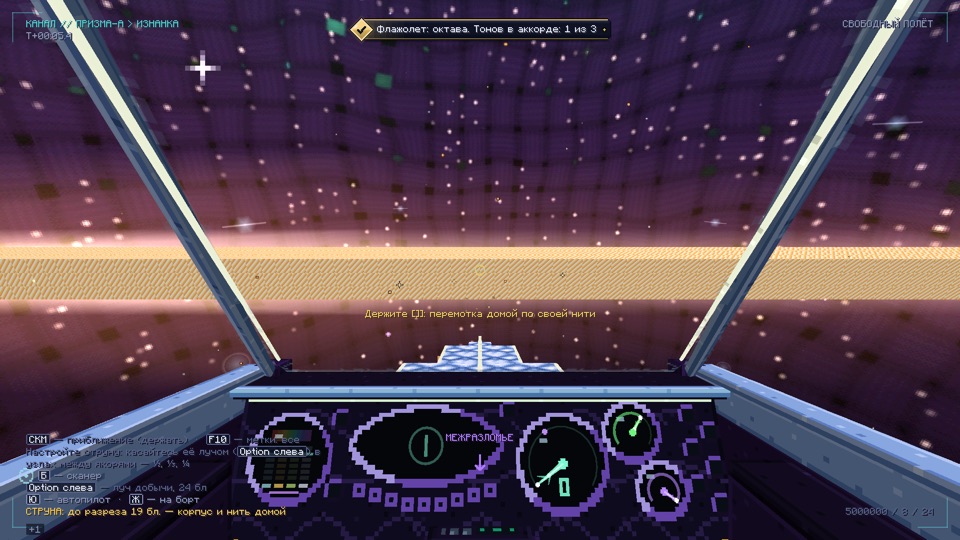
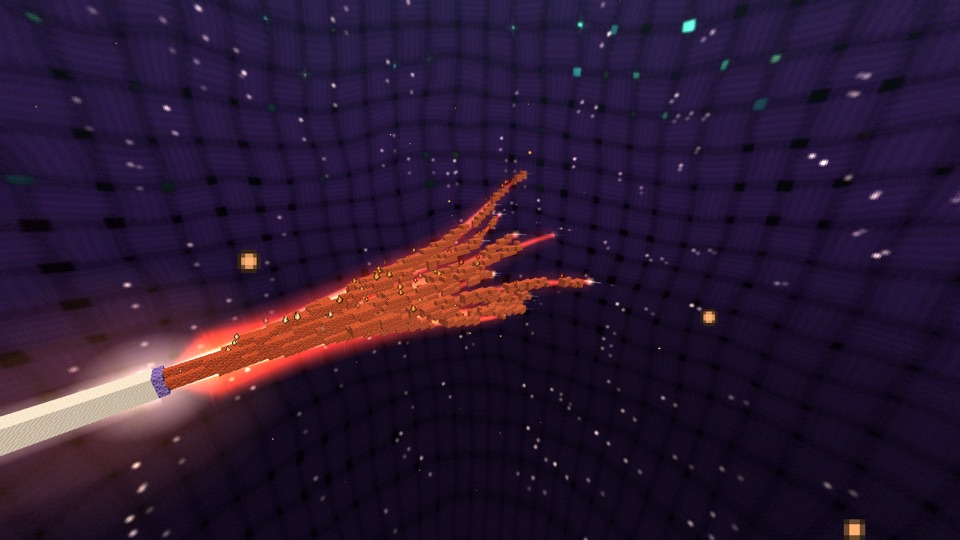
- The frayed end. The far end of the thread is eaten away and fanned out into fibers: white-hot where they part, cooling to red toward the gnawed tips, an ember smoldering on each, sparks drifting up over the fan. The end can be seen from afar, even from the arrival point: a white knot with a cross-shaped glint where the thread ends. Cut the fibers with the beam for sinew; Shades of Hunger swarm around the end. After a chord the end goes quiet for a day — the fibers glow evenly and warm.
Ringwright Knots
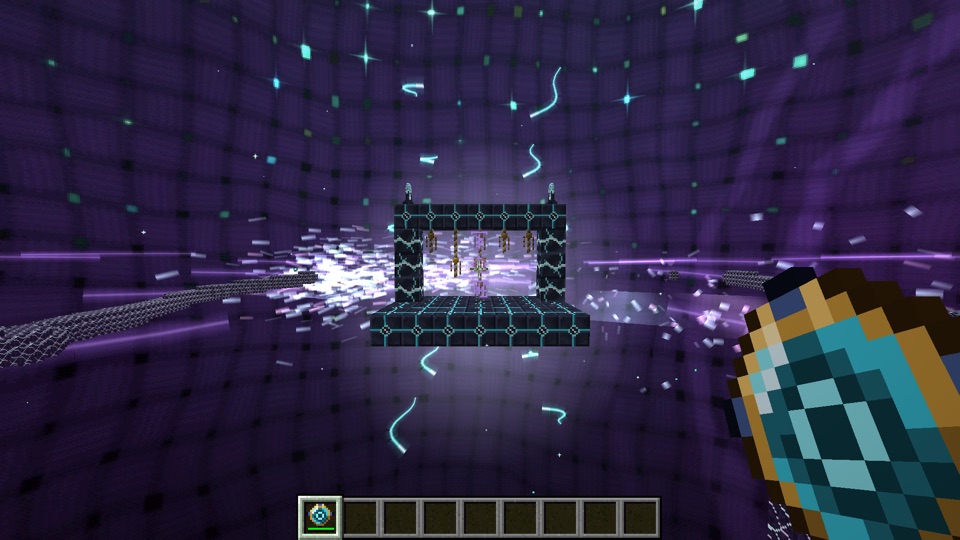
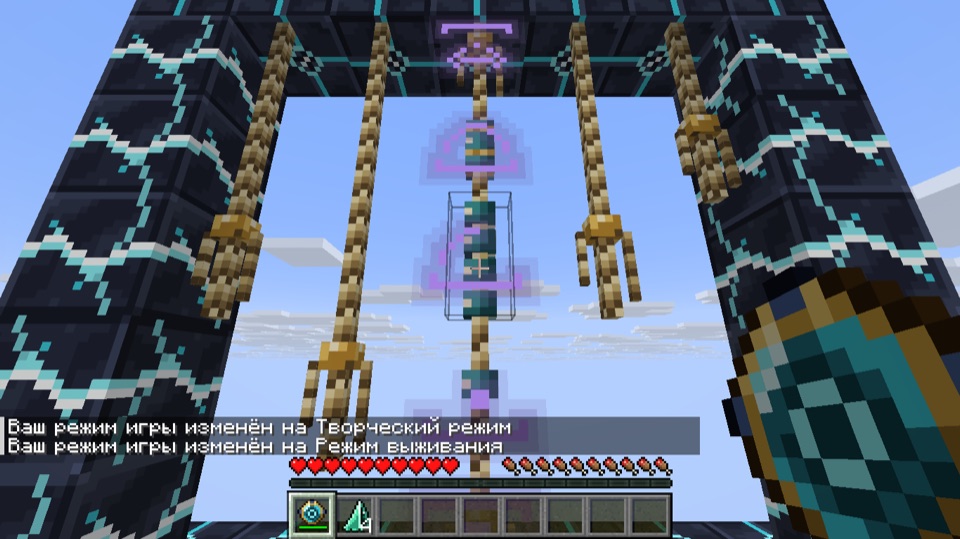
In every place of the Underweave a knotted cord hangs on a frame of dark tiles —  Knotted Cord of the Ringwrights. It is a record
left by those who closed the dark road: not words but a count. Without the
 Ringwright Lens it is only a cord —
you can see the knots, not what they count.
- How to read. Hold the Lens or wear it over an eye: signs of the script light up in front of the knots. Right-click the cord — the usual inscription window opens. A knot is a number: one knot for each dot of the sign, a long knot for eight, a loop for sixteen, a knot with pendants for a word. A cord is read from the top down.
- Where they hang. At the eye of the Sargasso, over the empty scar of the Scarfield, at Earth’s window in the Sheer, on the loom of the Sampler and at an anchor of the First Thread. The last cord is drawn tight and will not give itself up until the string has sung a chord.
- What they give. Each reading — 4 Void Shard. All five — the page “The Underside of the Road” in the
Ringwrights chapter of the journal and the blueprint of the Twin Image ship module. Every player has their own readings.
What is made of the Underweave
 String Bow and
 Ringwright Needle — in the zero-g forge of your station; what they do
and what they cost is in the guide “Star gear”. The bow takes string sinew of the String, sargasso
yarn and messenger nacre; the needle — swatches of the Sampler’s loom, nacre and scar thread.
 Darning Rig — a void ship module of scar thread and sargasso yarn. The hull pulls itself
together: +1 every 4 seconds once 10 seconds have passed without a hit — no pulse, no rock, no bite. It will not save you in
a fight; it is there so that the ship comes back whole from a far place.
 Twin Image — a void ship module of string sinew. Press the drop key (Q) in flight, and for
8 seconds a twin of the ship flies alongside: the pulses of drifters, their torpedoes and the lunges of the creatures of space
land on it. Ready again in a minute. The masters of space — the Devourer and the Ark — are not fooled, and the twin is no cover
from a storm or from rocks.
Both modules fit ships of the dark road only. The bench builds the twin for one who knows the blueprint: it is given by all five knots of the Ringwrights.
The blueprint of the twin is also known to one who struck the chord of the First Thread: three different tones.
Decor of the Underweave
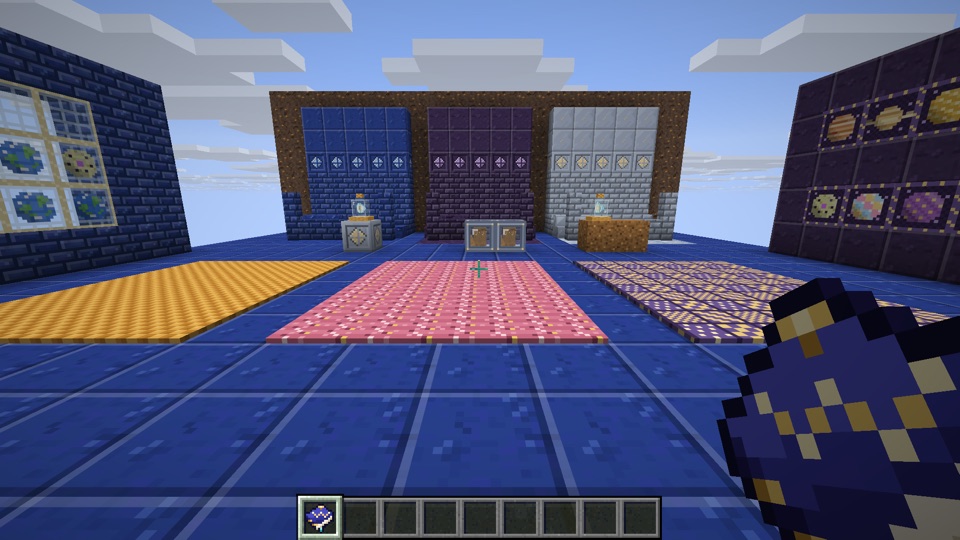
- Yarn carpets —
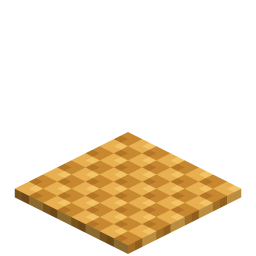 Sargasso Yarn Carpet,
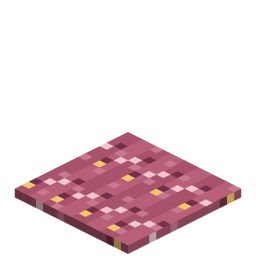 Scar-Stitch Carpet (with scar thread) and
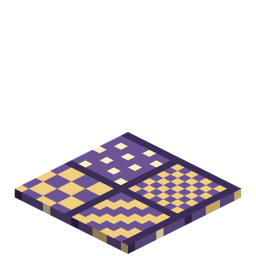 Sampler Carpet (with a swatch of the Sampler: four weaves in one carpet).
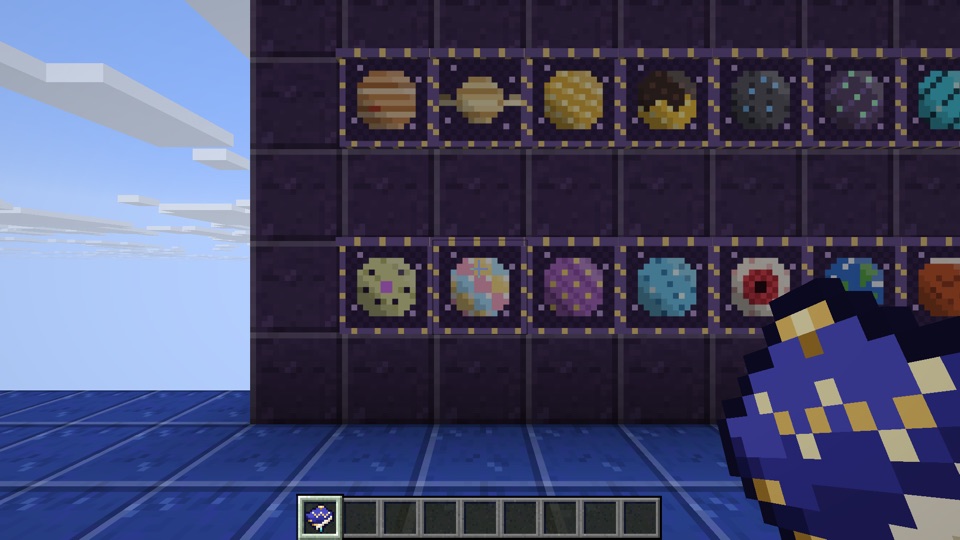
- Tapestries of worlds — fourteen, one for each window of the Sheer: the world is woven from the underside, mirrored.
Tapestries are not crafted: you get one by scanning the underside of a world over its window. Another copy — a second pulse
over a window you have already taken, for 2 Sheer Gauze.
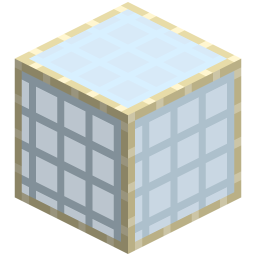 Sheer Glass — gauze sealed in glass: the window shows the world it was placed in, from the underside.
In worlds that have no window in the Sheer the glass holds only gauze. Panes set side by side join into one window: the
frame runs only around its edge, and the world is one per window — in a brass rim at the center, one, two or three blocks
wide (by the window’s shorter side). Until the window is finished it holds plain gauze; the world shows whole once the last
pane is in.
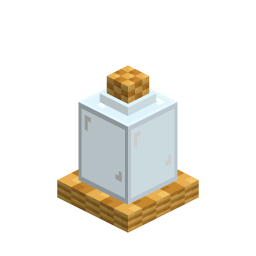 Jar with a Glass Larva on a Yarn Nest — a quiet lamp: the larva glows by itself.
What next
- What the knots are read with: “Watch Rings and the Lens”.
- The bow and the needle made of the Underweave — “Things of the far roads”.
- The second far road, under the Nether — “The Underdeep”.