
The Underdeep
The crucible jacket, the deep strike of a magmascope and the section, a dive in the pulse of a place and surfacing on the plume.
The Depths are only the top layer. Beneath them lie the mantle and the core of the world, and in them — hollows: this is the Underdeep. A ship of the fire road with a crucible jacket goes down there like the bathyscaphe Trieste to the bottom of the Mariana Trench: iron ballast pulls it down through the melt, the jacket holds the heat, and once the ballast is dropped, a plume — a column of heat — brings it back up.
The crucible jacket
| Tier | Depth | From |
|---|---|---|
| I “Lining” | down to 2,000 km |  Crucible Jacket I — around the Last Ember, the heart of the Last Giant |
| II “Caisson” | down to 5,000 km |  Crucible Jacket II — jacket I, the Deep Sounder, ringwoodite and a ring spark |
| III “Core” | to the center |  Crucible Jacket III — jacket II, a  Buried World Core (the Buried World), a shadow image and a ring spark |
A “kilometer” is the measure of the road: the depth of a place. The jacket goes into a slot of a depth ship; only a ship of class A or above dives below the Depths. Depths and pressures are real, as on Earth: 18 GPa in the transition zone of the mantle, 136 at its bottom, 364 at the center.
The section: recording a place
The Tablet of Rings (a niche of the Crucible) teaches you to strike down to the core. In a magmascope in the Nether hold a strike for a second and a half — a deep strike. The magma darkens, the shells of the world show as rings around the nadir: crust, mantle, transition zone, core. The wave goes down, and every boundary sends back a reflection — the deeper the boundary, the later. Seismologists know the Earth’s interior the same way — only by its waves.
The places of the fire road answer from their depth and their side, each with its own signature. When an answer comes, its depth shell flares all around and a wave spreads from the place; if the place is off-screen, an arrow beats at the screen edge toward it. Aim at the echo and strike in its rhythm: rings converge on the rim, strike when a ring meets the rim. A miss starts the count again. A taken section becomes the record of the place, and the place appears on the “Section” map. The toll on the section shows the nearest unrecorded place.
The dive
The map of a ship with a jacket is the “Section”: a half-circle of the world in section, as in a textbook, with the places at their depth, pressure and cost. Choose a place and lay the course. Dives start only from the open melt — 24 blocks below the island field — and nose down, no farther than 30° from the plumb line.
Under the nose there is a crust with a rim and the pulse of the place, the same as in the section. The first press of the jump key — the jacket “takes the pulse”; then strike the key in its beats: every hit is a crack in the crust. A miss flares the jacket (hull −2) and one crack closes. The first time into a place — the whole phrase of the pulse twice; after that — three strikes. An “auto-dive” costs 8 more embers.
The cost: coolant from the ship’s tank (less for a higher tier), 12 deep embers and ballast — iron blocks, one for every 400 km; the ballast stays below. Recharge — 2 minutes. If there is not enough coolant to surface, the instruments warn you: pressing again means you agree.
Surfacing
In the Underdeep the course is home by default: hold the jump key for 3 seconds — the ballast is dropped, and the ship rises on the plume. Half the coolant, no embers; the exit is under the island field of the Depths, where you dived.
No coolant — on the map you can drop the ballast: it falls by itself, like the Trieste’s shot, the ascent is long and hot; 32 embers — and the jacket holds; without embers the ascent costs the hull (down to a quarter).
The dive on screen
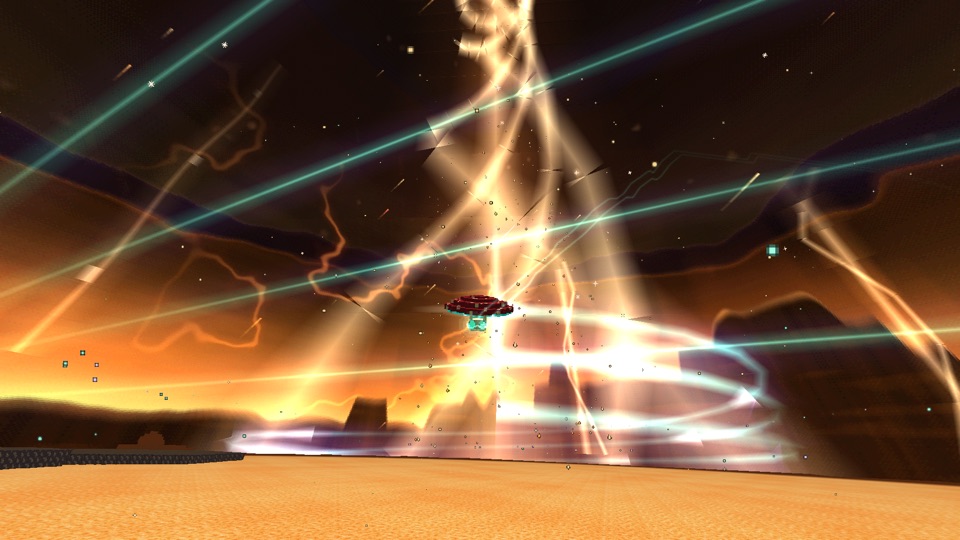
While you strike the pulse, the edge of the frame glows hot. Under the ship the melt swirls into a funnel, then the layers of the world go by — basalt, green olivine, blue ringwoodite; at the real boundaries (410, 660 km and deeper) — a jolt and a dull thud, the edges are crushed by a cracked vignette, and the channel counts kilometers and gigapascals. At the end the melt bursts open in a ragged hole — a glowing rim, cracks, crust fragments flying at you — and the hollow itself shows through: the vault, a bright horizon, the still surface and the ledges of its walls. Surfacing — the ballast shot pours down, the layers rush down ever faster, and the ship bursts out of the melt in a column of fire. From the side a ship sinks in a glowing funnel, and a surfacing one comes out in a fountain of fire. How rich the scene is depends on the “Mod graphics”.
The way and the prices
The road has one required place — the Ringwoodite Sea: the Caisson cannot be built without hydrous ringwoodite. The other
places are optional. The Core jacket is built in two ways: with a Buried World Core — or by the spare recipe
without it: a  Giant's Marrow, an
 Adamant Ingot, two
 Hydrous Ringwoodite, an
 Inclusion Diamond and a
 Deep Ember on top of jacket II, the shadow image and the ring spark.
It is dearer, but needs no far dive.
A dive is paid in fuel from the tank; the price never rises above 5 buckets, however deep the place lies. Any place of its own tier can be reached on a full tank of any depth ship; surfacing costs half the price, and the ballast stays below.
| Place | Depth, km | Tier | Jacket I | Jacket II | Jacket III | Embers | Iron blocks | Home | There and back |
|---|---|---|---|---|---|---|---|---|---|
| The Ringwoodite Sea | 520 | I | 3.1 | 2.7 | 2.2 | 12 | 2 | 1.6 | 4.7 |
| The Bridgmanite Halls | 1600 | I | 4.6 | 4.1 | 3.6 | 12 | 4 | 2.3 | 6.9 |
| The Buried World | 2800 | II | — | 4.4 | 3.9 | 12 | 7 | 2.2 | 6.7 |
| The Iron Ocean | 3500 | II | — | 4.5 | 4.1 | 12 | 9 | 2.3 | 6.8 |
| The Core Quarry | 5800 | III | — | — | 4.4 | 12 | 15 | 2.2 | 6.6 |
| The fiery berth | the well of the Crucible | III | — | — | 4.5 | 12 | — | free | 4.5 |
The last column is the price there and back with the place’s own tier. Tanks of depth ships: the Captured Shell — 5 buckets, the Salamander — 6, the Captured Patcher — 8, the Hammer — 9, the Tear — 10, the Lantern — 13, the Captured Tug — 14, the Anvil — 18. A dive to the required Sea costs three quarters of the usual price: the Salamander with jacket I dives there and surfaces on one tank, with 1.3 buckets to spare. A tank of 8 buckets or more is enough there and back to any place; for the other places the Shell and the Salamander need refueling for the way home, a tank module — or the ballast drop.
The fiery berth. With the Core jacket and the shadow image the well of the Crucible turns bright: take the ship into it. The well takes its price — 4.5 buckets of fuel and 12 deep embers; the instruments name it as you come close. The way home is the hot ring beside the berth, and it is free. After the finale a ship of any road with its own tier III also reaches the places of the Underdeep.
The Ringwoodite Sea
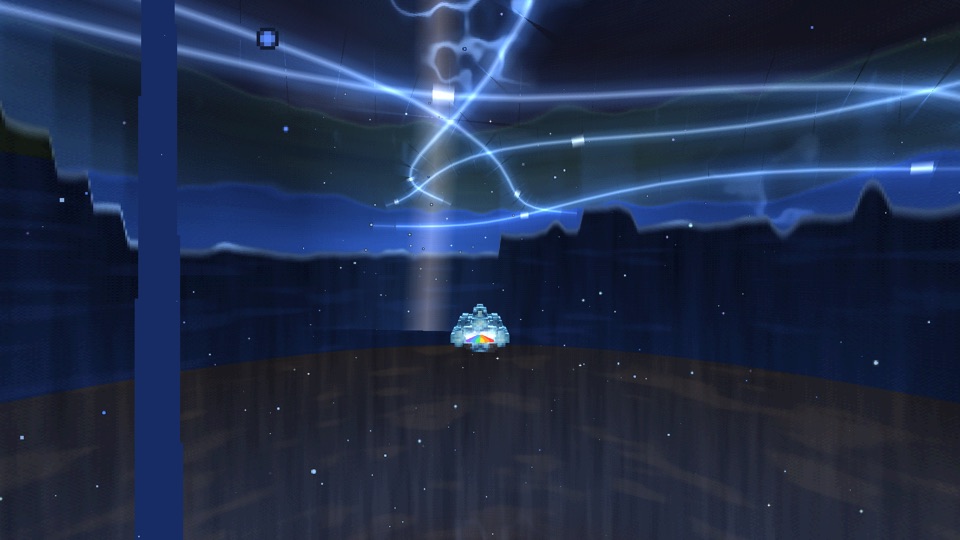
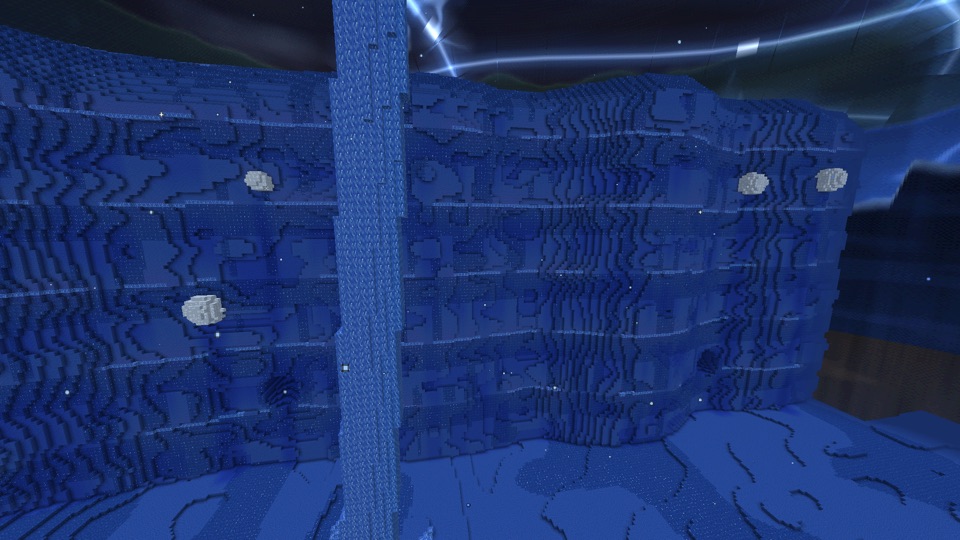
The first and required place of the Underdeep (520 km, jacket I): after the red Depths — a blue world. A flat hollow in blue ringwoodite that sweats water: under such heat and pressure the water is neither liquid nor steam, and glowing rivers flow along the vault. Gravity is Earth’s: step out of the ship high above the floor and you fall.
- Cliff ridges stand over the floor in walls a hundred blocks high; their faces “sweat” in layers: a dark wet layer of
Hydrous Ringwoodite, a ragged glowing seam of
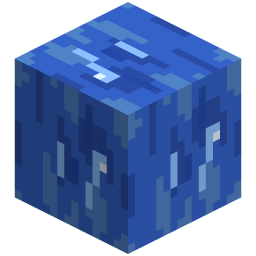 Ringwoodite Crystal along its upper edge, and above
it paler dry rock with dark streaks of water running down. Cut the wet rock with the mining beam of a depth ship: the coolant goes
straight into the tank (0.15 bucket a block), the stone into the hold. Hydrous ringwoodite goes into the “Caisson” jacket.
- Steam blisters whiten on the faces and smoke. A hull closer than six blocks heats a blister — a second and a half later it bursts with steam: hull −6 and a push away. A blister also bursts from a beam or a pickaxe.
- Worm burrows open in the faces near the floor. A burrow leads deep into the ridge to a wet vein — a glowing nest of the
wettest rock: 2–3 hydrous ringwoodite a block and 0.4 bucket of coolant. Veins hide most of the Inclusion Diamond —
diamonds with a drop of water sealed inside.
- Pillars of blue crystal rise into the mist of the vault.
The Mephisto Worm
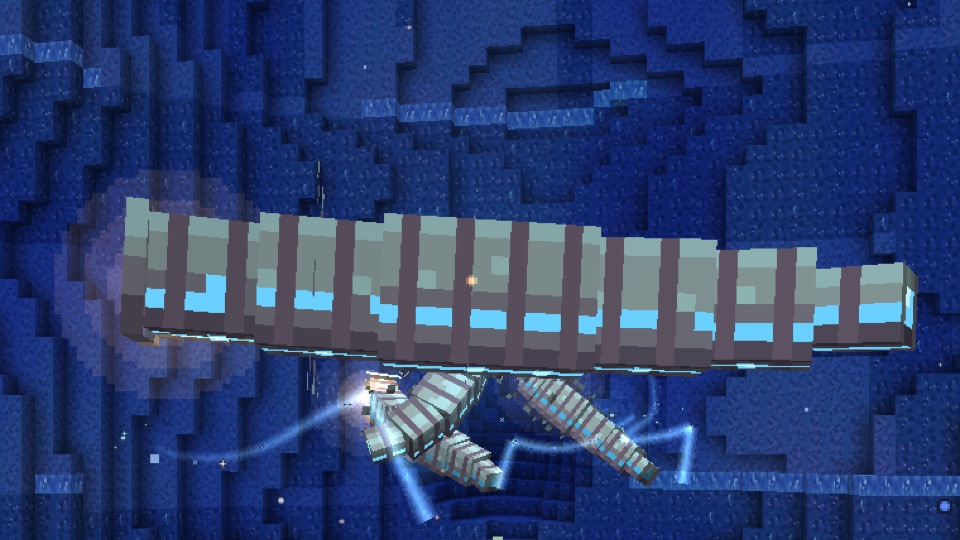
A pale ringed nematode eight blocks long — the size of a small ship — with a ring of red-hot teeth for a mouth; water glows through
its cuticle. The worms live in small groups at the
mouths of their burrows. Come close in a slow ship — a worm leads you to the mouth of a burrow, and one sheds a
 Mephisto Cuticle. Named after Halicephalobus mephisto, a nematode found in 2011 in a South African gold mine 1.3 km
underground.
The Pressure Capsule
The  Pressure Capsule has nine cells that keep the pressure of the Underdeep. Recipe: an inclusion diamond (the window),
four hydrous ringwoodite and two mephisto cuticles (the seal), two iron blocks (the body). Fill it like a bundle: take the capsule and
click a stack (or click the capsule with a stack); right-click takes the last stack out. It takes only matter held together by pressure.
The Bridgmanite Halls
An optional place (1,600 km, jacket I; in the magmascope — three even strikes and a long pause, deep at 265°). A chain of five halls in the lower mantle overgrown with amber beams the size of towers: the Cave of Crystals of Naica, a hundred times larger. Not a geode: the crystals do not sing — they hold each other up.
- A seam glows in the middle of every beam. Cut the seam with the mining beam (or a pickaxe) and the beam comes out whole:
 Bridgmanite goes into the hold.
- Strain: the beams rest on one another. Threads of light run along a resting beam to the spot where it leans (a hot ring
pulses there) and on along the support to its seam: the beam the threads converge on holds its neighbors. A beam with nothing
on it answers with a cold teal ring at its seam — that is the one to cut. Cut a beam under strain and it bursts in a chain with everything resting on it: shards, hull −6,
and
 Decayed Bridgmanite instead of crystal. A crystal knocked out block by block also turns to dust.
- Decay: bridgmanite holds together only under pressure. Outside the Underdeep it falls into dust — at once in your inventory, on surfacing in the hold. It is carried up only in a pressure capsule. Nobody has ever held this mineral in their hands. You hold it.
The Buried World
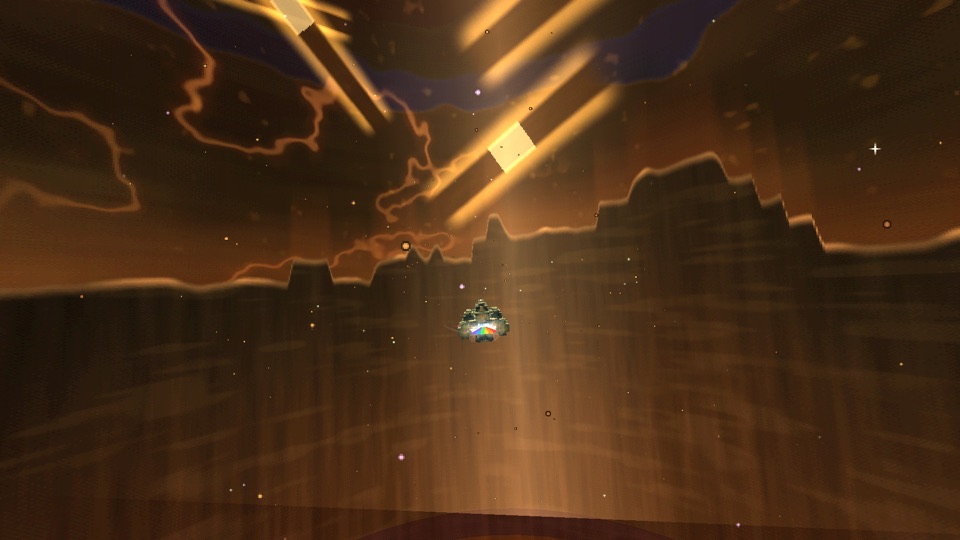
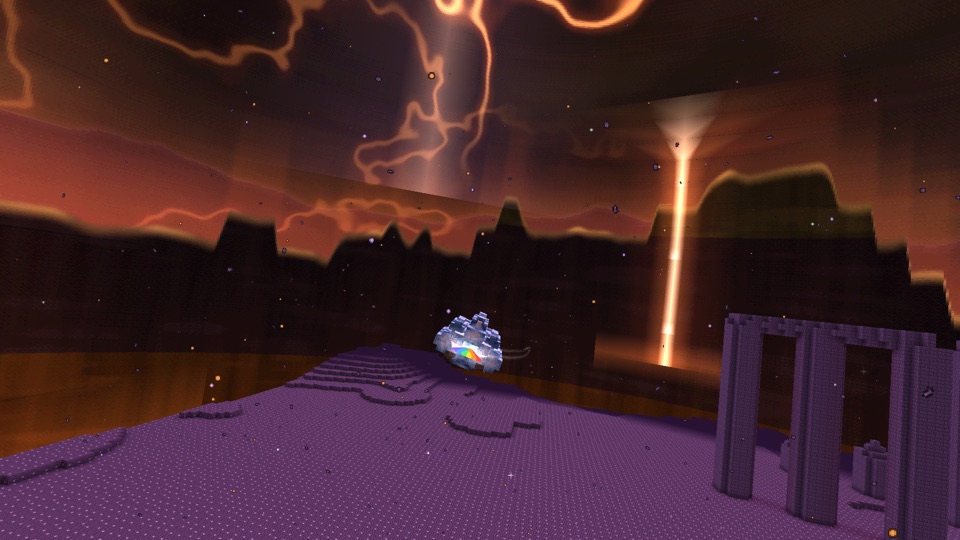
An optional place for tiers I–II, but required for the “Core” jacket (2,800 km, a “Caisson” jacket, seven iron blocks of ballast). On the floor of the mantle lies a continent of dark violet foreign rock that never mixed with the mantle: its own strata, a fossil seabed, broken colonnades. Lakes of semi-melt lie along its edges, and plumes — columns of light — rise from them to the vault. Gravity here is 1.1: the floor of the mantle is the heaviest place in the world.
- The section: the echo of this place comes late. When it should arrive, a pale empty mark appears with a countdown arc — do not strike it. The real echo comes more than a second later and limps: a long beat, a short one, a long pause.
- Core samples: there are three core seams on the continent — a beacon of lights stands over each, and the instruments show
the distance and the side. Break the glowing layers with the mining beam (or a pickaxe) — a Buried World Core goes into
the hold. There are three layers: the seabed (in the cliff by the exit), the city (among the ruins), the ash (on the lip of the
middle). Two seconds later the layer above the core slides — hull −5; back off at once.
- Plumes burn the hull (closer than 15 blocks to the axis) and toss the ship up.
 Semi-Melt in the lakes bogs
you down and burns — nobody walks there. At the roots of the plumes stand six-sided columns:
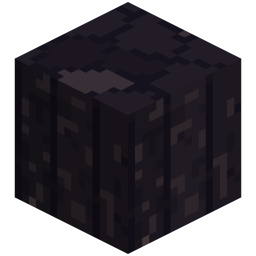 Plume Basalt.
- The hollow middle: go inland — the instruments will show it getting colder. Where this world had a core there is a smooth
bowl half a kilometer wide, lined with
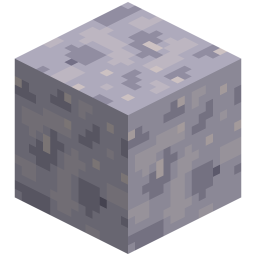 Cold Ash. On the floor of the mantle — it is cold.
- Up: only pressure holds a core together. Outside the Underdeep it falls apart into
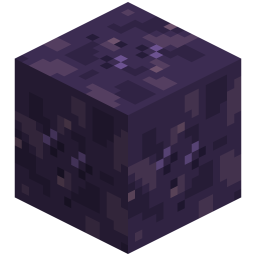 Foreign Rock — carry it
in a pressure capsule. The “Core” jacket needs a whole one.
The Iron Ocean
An optional place (3,500 km, a “Caisson” jacket, nine iron blocks of ballast). Under the vault of the mantle lies a white-orange sea
of  Molten Iron Bucket: the outer core of the world. Columns of melt turn slowly from the sea to the vault, iron
snow falls, and arcs of field lines cross the whole sky and meet at two points on the horizon: this is where the field every
compass obeys is made. Gravity is 0.9.
- The section: on the shell of the outer core there is a shadow — an arc where no echo comes (shear waves do not pass through liquid; that is how the Earth’s liquid core was found in 1906). The echo answers at the two edges of the shadow in turn: strike the left edge, then the right one.
- Wind the field: circle a column of melt three times on the move, 30–120 blocks from its axis — a
 Charged Coil
goes into the hold. The ship trails a glowing bundle of wires that winds onto the column as a coil: the live end stays by the
ship, the earlier laps sink toward the sea, and sparks of current run along the wire. The column pulls the ship in and spins it;
inside the column the hull burns.
- Iron snow sticks to the hull: the ship grows heavy and sinks toward the sea. Shake it off with a boost —
 Iron Snow goes into the hold. Nine make a block of iron: ballast for the next dive. Snow also lies on the floes:
 Iron Snowdrift on
 Iron Crust.
- The sea: a touch takes half the hull. Watch your height when there is snow on the hull.
The Core Quarry
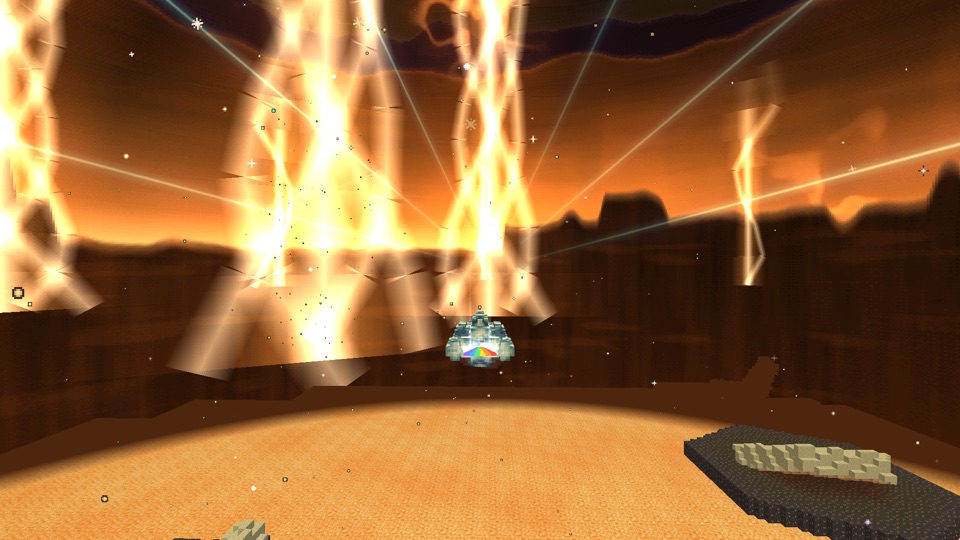
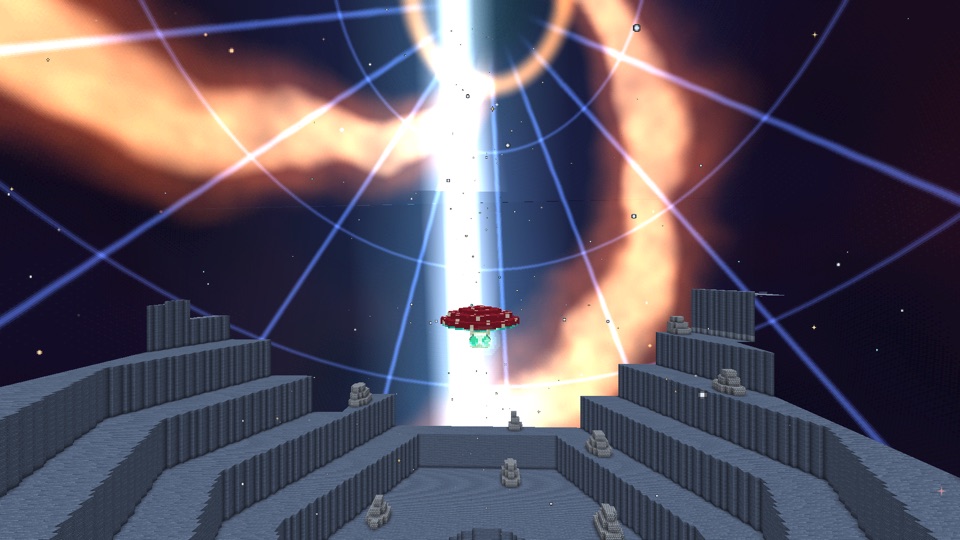
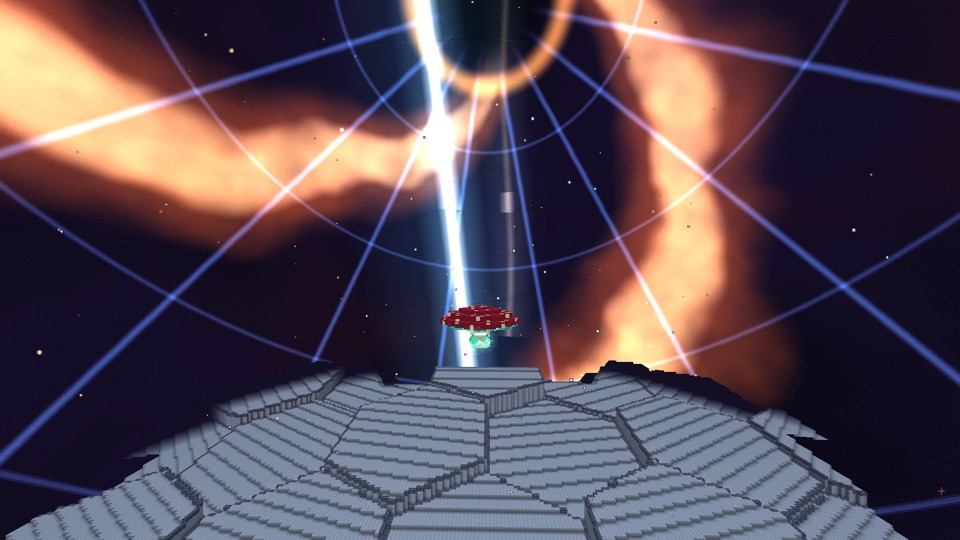
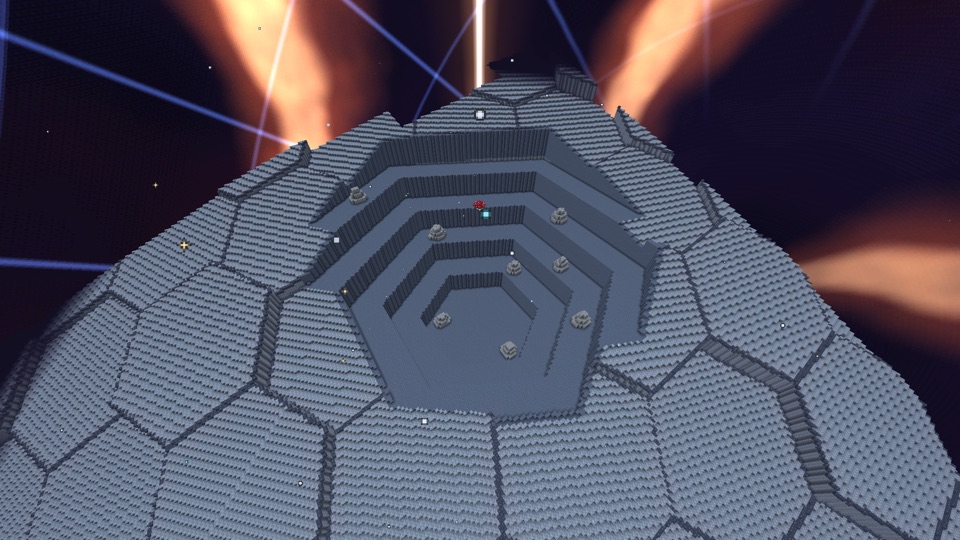
An optional place (5,800 km, a “Core” jacket, fifteen iron blocks of ballast). The solid core of the world is a giant ball of
 Core Iron Crystal: you come out on its top, and the ground falls away on every side. The ball is cut in hexagonal
facets with growth steps. Here the sky turns, not the ground: the mantle overhead wheels around a tilted axis, speeds up,
stops and turns back. Gravity is 0.2: a jump carries you far.
- The section: the answer of the Quarry is faint — it lies deep in the shadow of the outer core, almost at the very center. Three even beats: strike it three times in a row. This is how Inge Lehmann found the solid core of the Earth in 1936 — by faint waves where there should have been none.
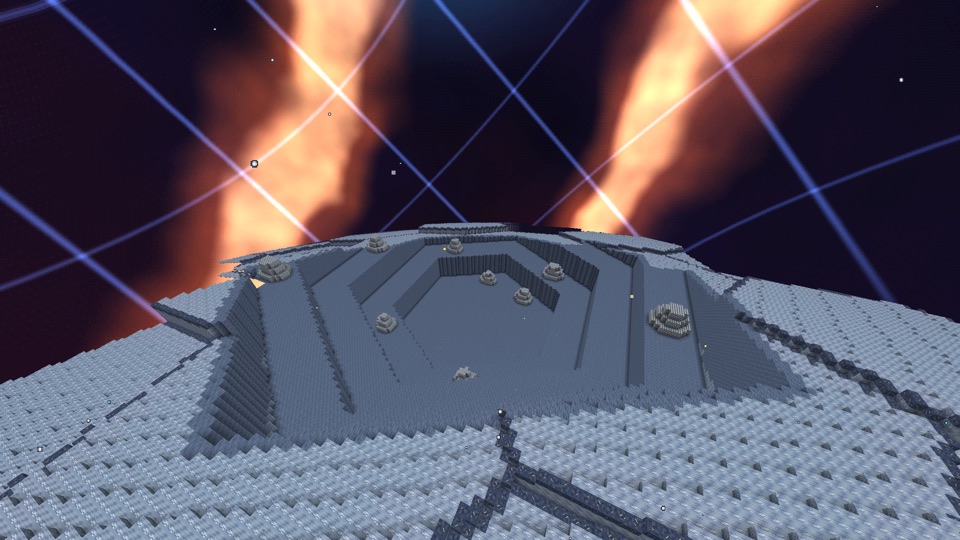
- The quarry is on the top of the ball: a hexagonal amphitheater in benches twelve blocks high, sawn by the Ringwrights
(
 Quarry Cut). On the benches stand
 Stack of Core Ingots — nobody came back for them. Two smaller
quarries are cut into the flanks of the ball three hundred blocks from the top, to the northwest and to the northeast: a stepped
wall on the uphill side, open down the slope.
- Core iron: the whole ball is one crystal, and its axis runs north to south (the block shows which way the grain goes). Turn
the nose of the ship along the axis and cut the crystal with the beam — three times as much
 Core Iron. A pickaxe,
too, goes three times faster along the axis.
- Shear: while the sky moves, it drags the ship sideways — the closer to the shaft, the harder. At the edge of the ball it lets you go no farther.
- The shaft is in the floor of the quarry; a column of light rises from it to the sky. You can enter only when the bright
window of the sky stands over the shaft and the sky stops — for half a minute once in a little over three minutes (the ship’s
hint counts the seconds, and the rings at the mouth of the shaft turn turquoise). If the window leaves while you are still inside,
shear tears the hull. At the bottom is the
 Innermost Crystal: a core inside the core, a crystal with another
axis. And in it — the
 Seal of the Crucible Well. Light passes through the seal. Nothing else does — yet.
Hallmarks
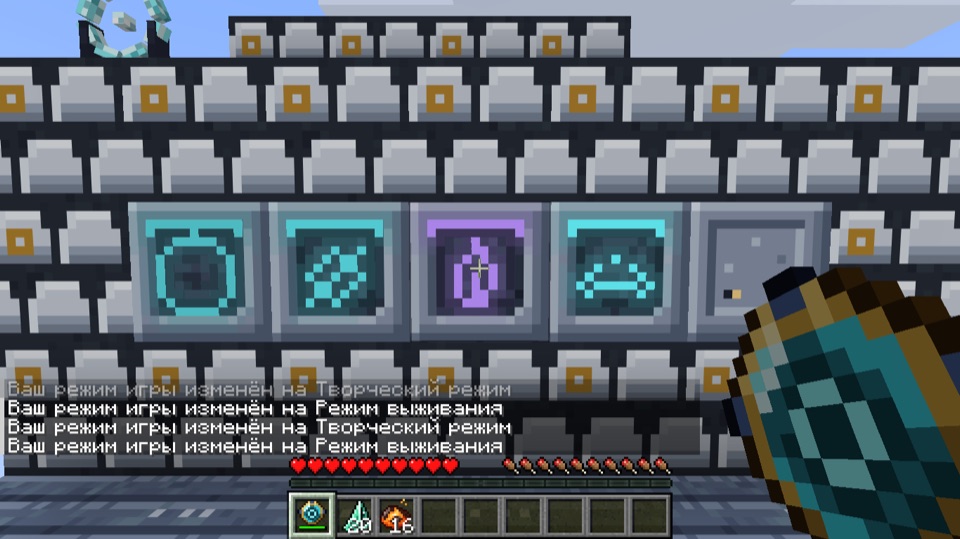
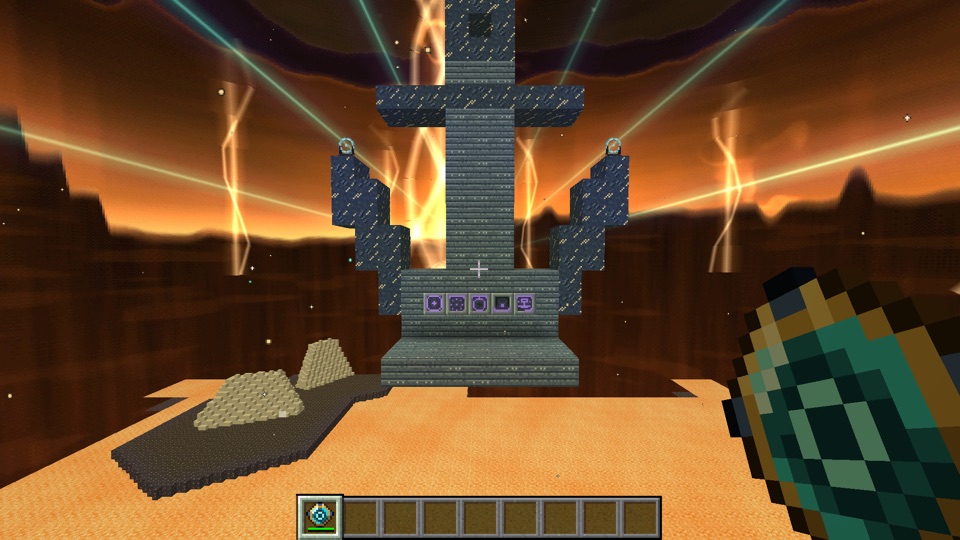
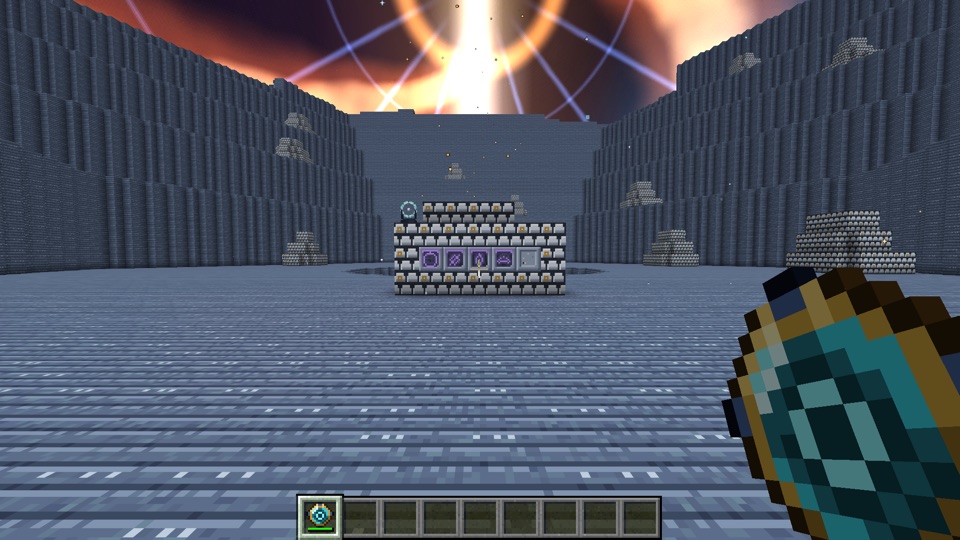
The works of the Underdeep are stamped: rows of marks stand in the iron — 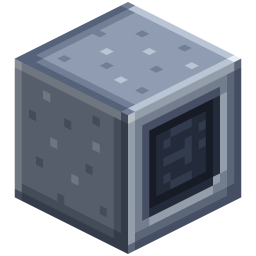 Ringwright Hallmark. The stamps are worn
smooth and cannot be read without the
 Ringwright Lens.
- How to read. Look at a hallmark through the Lens: signs of the script light up in the cartouches. Right-click a plate — the usual inscription window opens. A hallmark is read from left to right.
- Where they are. On the water intake of the Ringwoodite Sea (a collared pipe on the floor of the cavity), on a wedge that props the beams of the Bridgmanite Halls, on an anchor in the field over the Iron Ocean, and two in the Core Quarry: on a stack of ingots on a terrace and at the bottom, by the sealed well. The last hallmark was never finished: the place of the fifth stamp is smooth.
- What they give. Each reading — 4 Deep Ember. All five — the page “Hallmarks” in the Ringwrights chapter
of the journal and the blueprint of the Geodynamo station module. Every player has their own readings.
What is made of the Underdeep
 Plume Rod and
 Anisotropic Pendant — in the zero-g forge of your station; what they do
and what they cost is in the guide “Star gear”. The rod takes plume basalt of the Buried World;
the pendant — core iron, iron snow and a charged coil.
 Module Kit: Ringwoodite Still — a works of your station (from the “Station” level). Bring hydrous
ringwoodite to the console: the retort holds up to 64 stones and distills them by itself, one in 20 seconds. A stone gives half
a bucket of coolant into the tanks of the works (up to 16 buckets; draw it with an empty bucket at the console) and air:
whoever is aboard in a suit has the tank topped up.
 Module Kit: Geodynamo — a works of your station (from the “Station” level): a column of core iron in two
windings. From afar it is the amber fork above the roof: two pole lights run around the ring beneath it, and an arc of current
leaps from the mast top toward the station’s own world. Every work of the station runs 30% faster — as with a light-catcher, only without the Sun — and the works
burns nothing. The bench builds the kit for one who knows the blueprint: it is given by all five hallmarks.
The blueprint of the geodynamo is also known to one who charged a coil at a column of the Iron Ocean: three circles around a column of melt.
Decor of the Underdeep
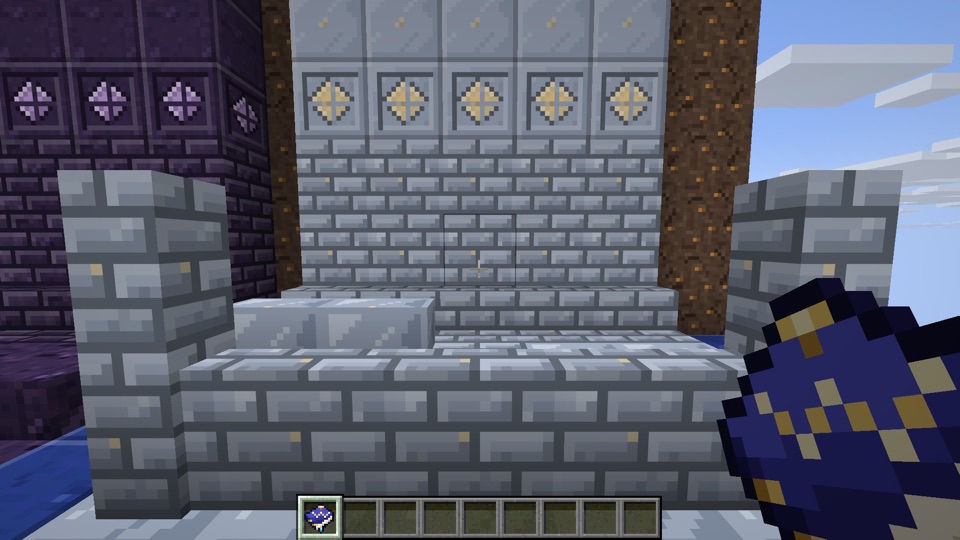
- Block families — bricks, chiseled and polished blocks, slabs, stairs and a wall from three rocks: ringwoodite
(
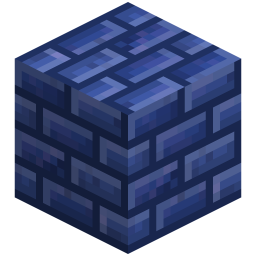 Ringwoodite Bricks), the foreign rock of the Buried World (
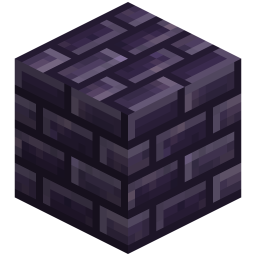 Foreign Rock Bricks) and core
iron (
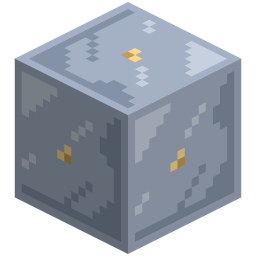 Block of Core Iron from nine pieces,
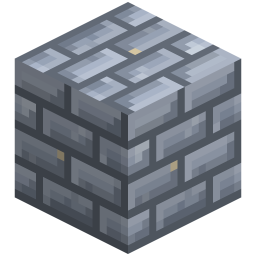 Core Iron Bricks). Crafting table and stonecutter,
as with the rocks of the worlds.
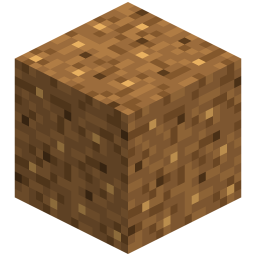 Block of Decayed Bridgmanite — what bridgmanite turns into without pressure: a building block of dust.
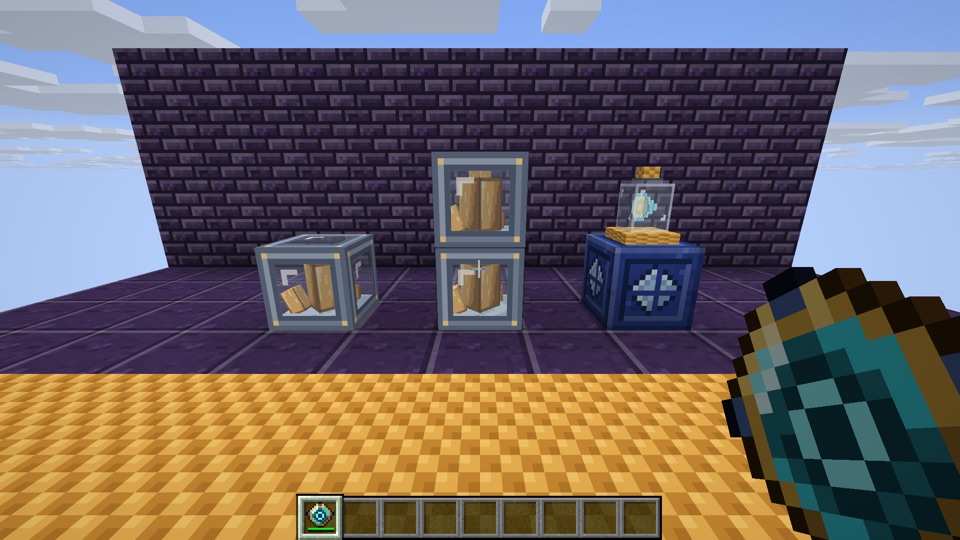
 Pressure Showcase — the only way to show a whole bridgmanite crystal up here: the showcase holds the
pressure of the lower mantle. It glows.
What next
- What the hallmarks are read with: “Watch Rings and the Lens”.
- The rod and the pendant made of the Underdeep — “Things of the far roads”.
- The second far road, beyond the End — “The Underweave”.