
The Lament
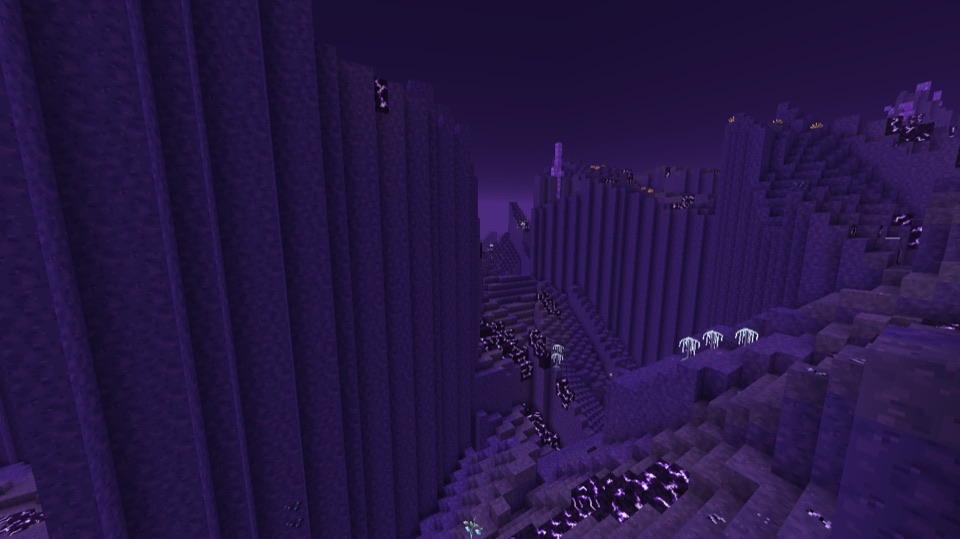
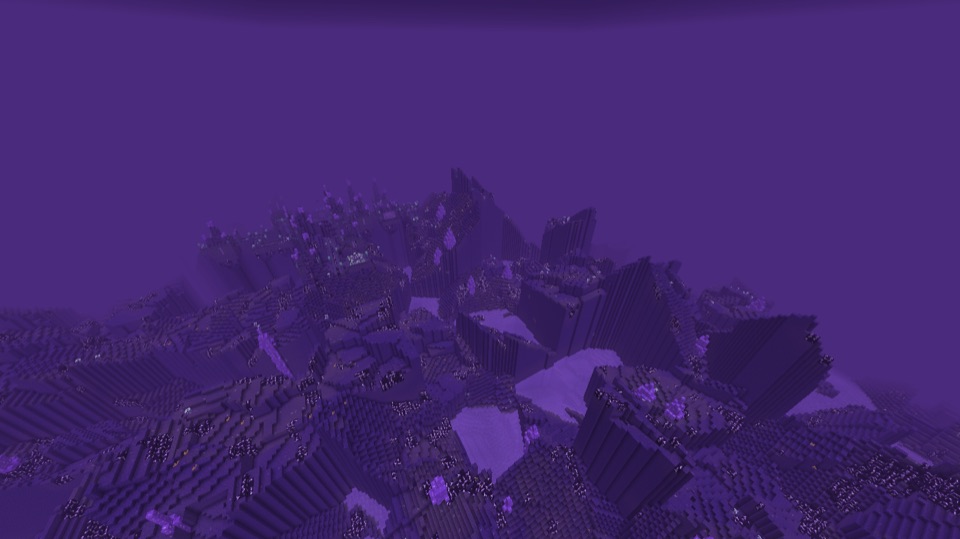
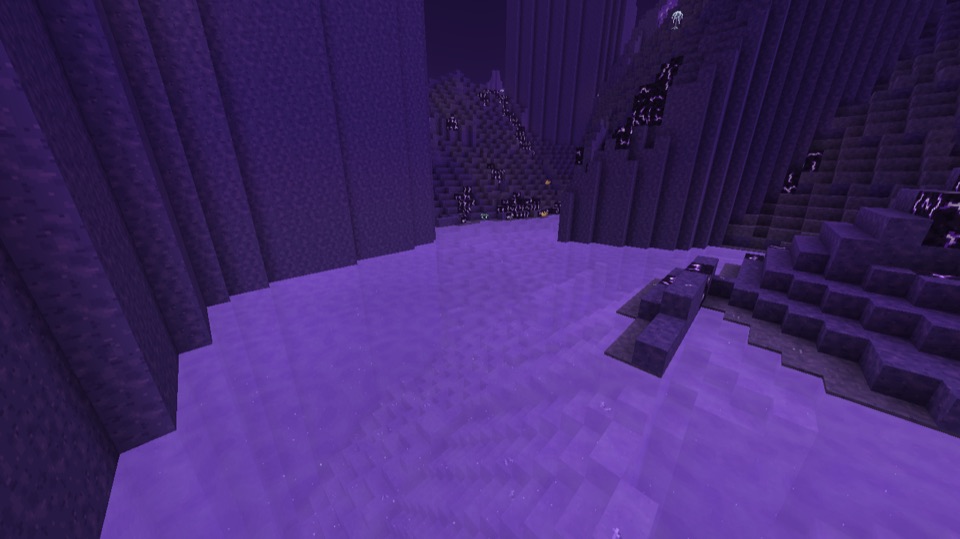
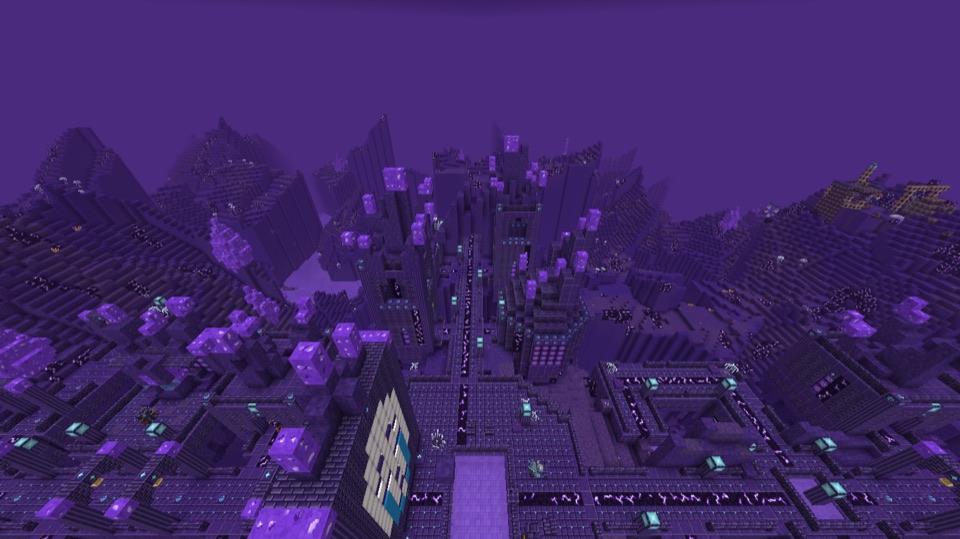
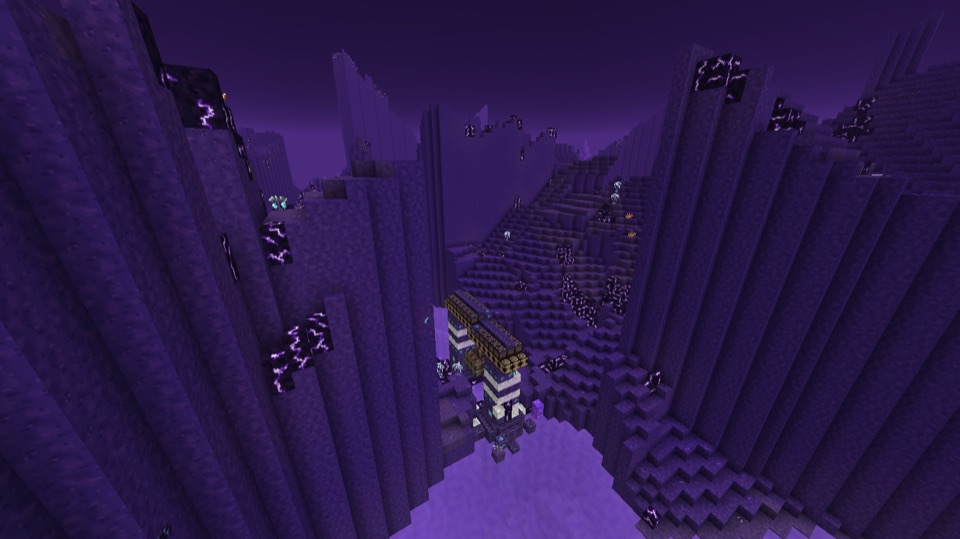
Shard mountains of dark glass, veins and pools of glowing tears. Gravity is heavier than on Earth. Pele's tears grow here — and the bell can go no deeper.
- A world of volcanic glass
- Violet tears run down its facets
- The weeping is heard through the magma
Views
Master of the world


Creatures




People
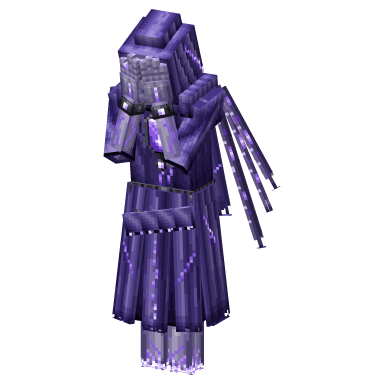
- Mourners — The heavy, stooped people of the Lament, made of dark glass, with tears that glow on their cheeks and set into crystals. They mourn the world that broke into the shards they live among, and sing of it in the Sorrow Choir. They give their tears away as gifts and pay with them, because grief that is kept grows heavier and grief that is given away grows lighter. Strangers they call the dry-eyed, and are sorry for them.
- Mourners' Hollow. A hollow of the Mourners, cut level into the shards: halls of dark glass brick crowned with clusters of shards, Pele's tears glowing on their tips and blue lamps over doorways tall enough for a stooped giant. Every street carries a rivulet of tears to the cistern in the middle, and over the cistern the pale face of the Weeping One, she who weeps for all, looks down from her stela with tears on her cheeks.

Structures
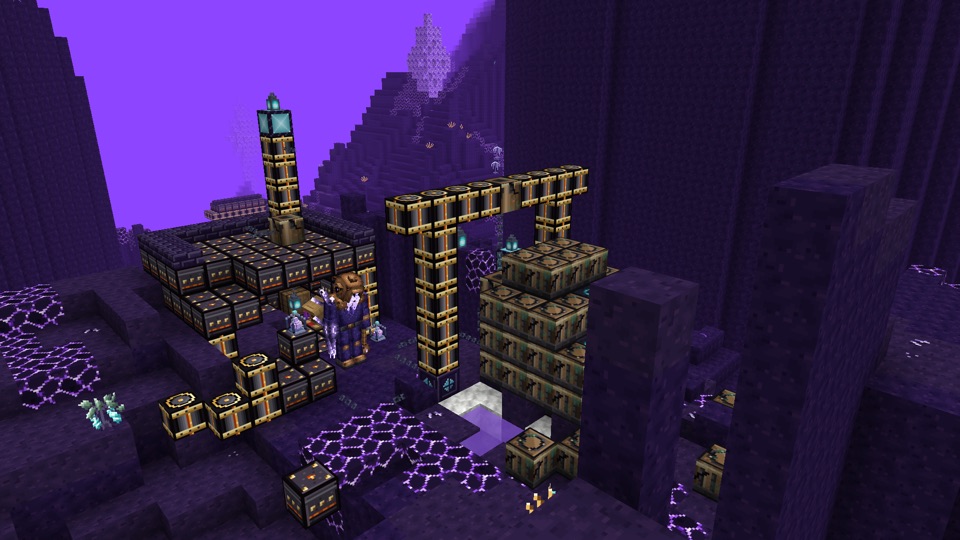
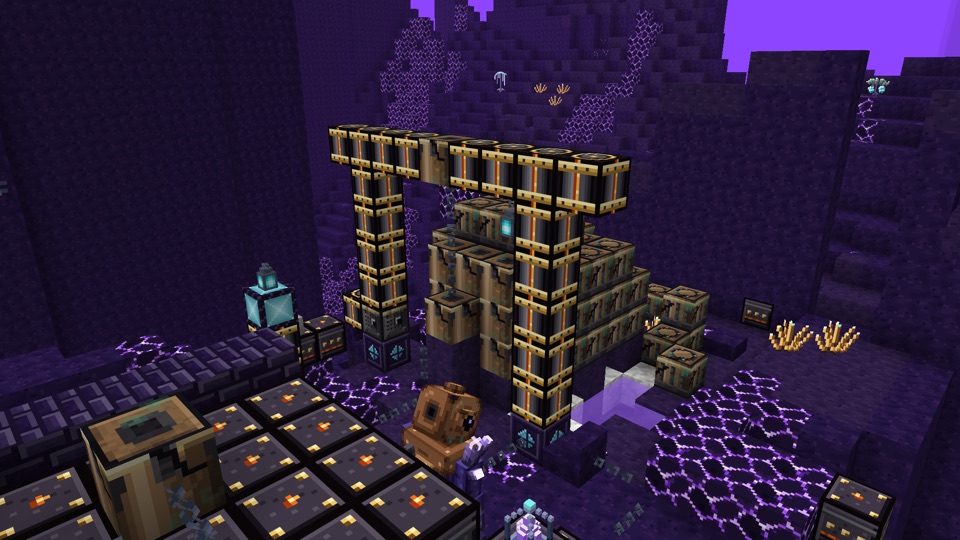
A bell that came down the vent and did not go back up: it lies on its side with the top of the skirt pressed in, the chain broken and coiled on the glass. The crew set up a camp and a windlass on trestles to lift it, and the windlass never pulled. One of them is still inside the bell. Another stands by the hut, as long as you are looking at it.

The same ring as on Earth, on a dais of the local stone and in the colors of this world: whoever set the gates out did it on every world at once. This one sleeps. It answers only one who has brought down the master of this world and lived through its trial; then lay the master's heart, the dust of the road and what this world gives into the ring, and it will join the other gates that are awake.


A vaulted gallery under a mound of glass, with sarcophagi in the niches and a greater one in the apse. The weight of this sky presses on the dead as well: the lids have slid and split, one coffin is crushed to shards, the floor has sunk and tears have welled into the dip. The candles by the niches are lit, and something with glass in its coat has made the gallery its own.
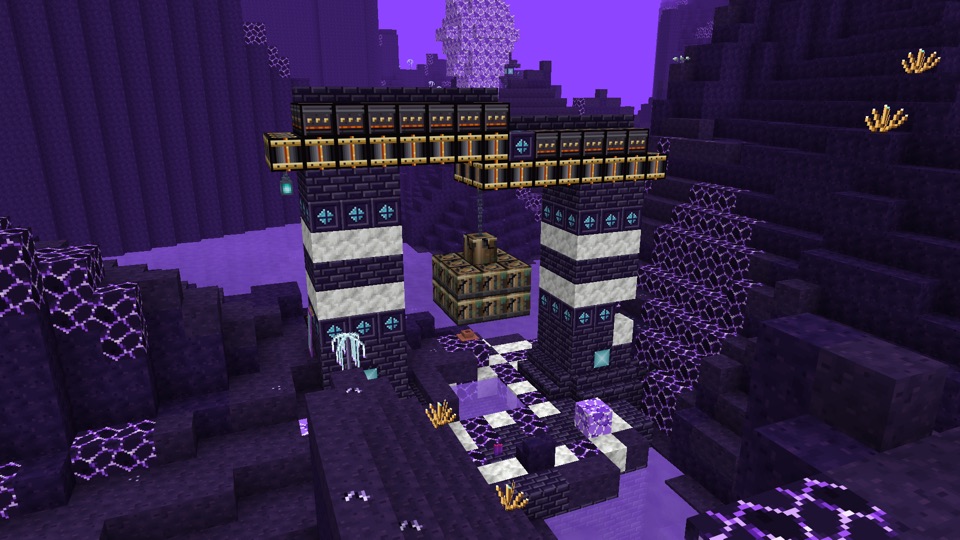
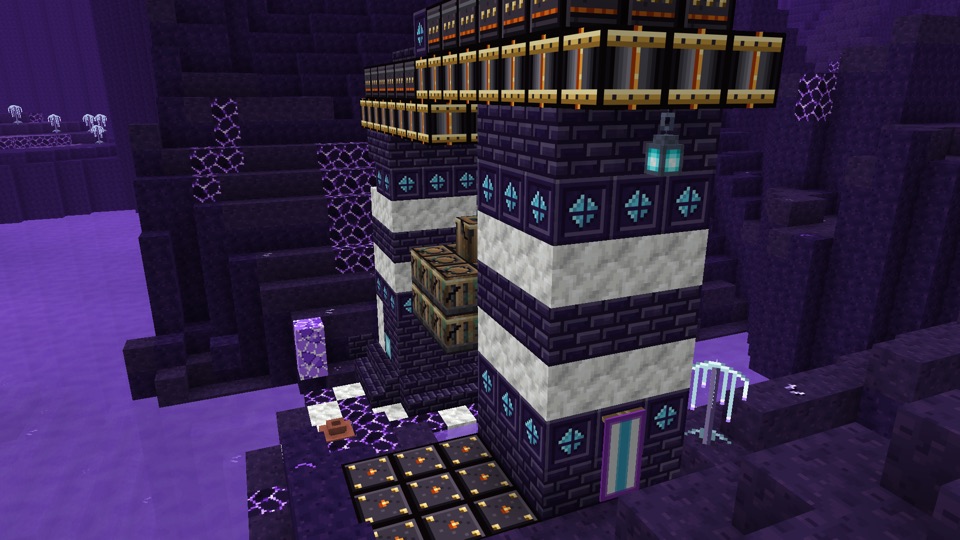
Two brick pylons and a beam between them, and on the chain under the beam a bell: the kind that comes down the vent with people inside, hung up here as the kind that rings. The east pylon has sunk a block and the beam has broken over it. There is no wind and nobody pulls the rope, and it rings all the same, slowly, and the glass under it weeps where it rings.
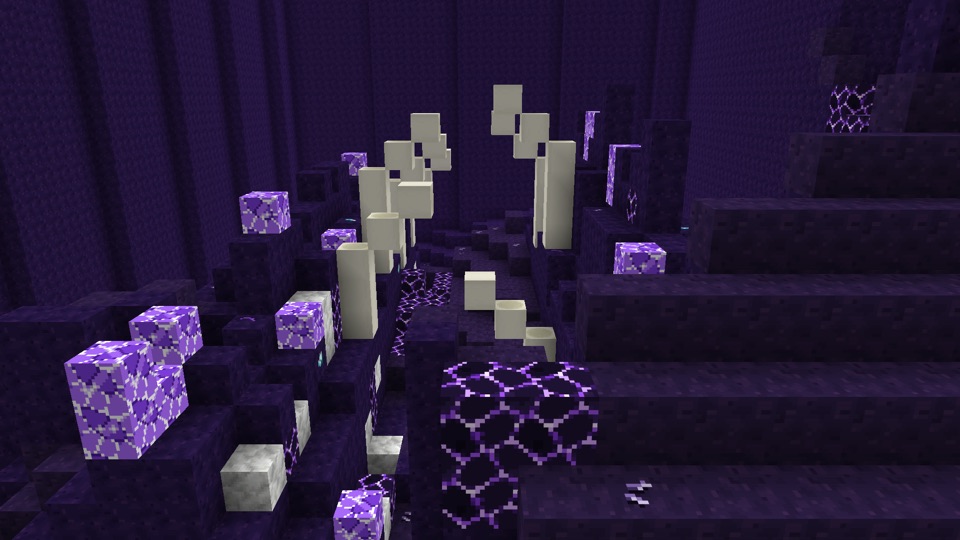
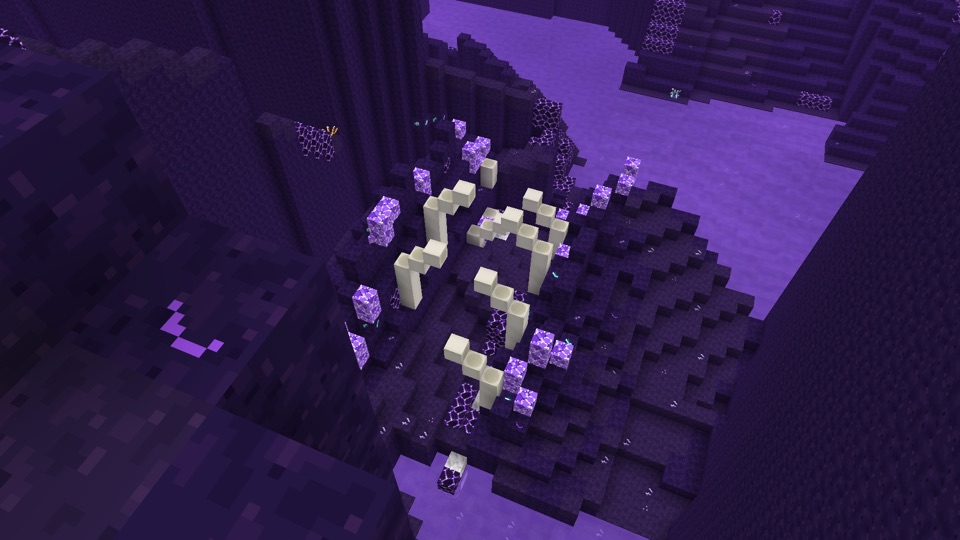
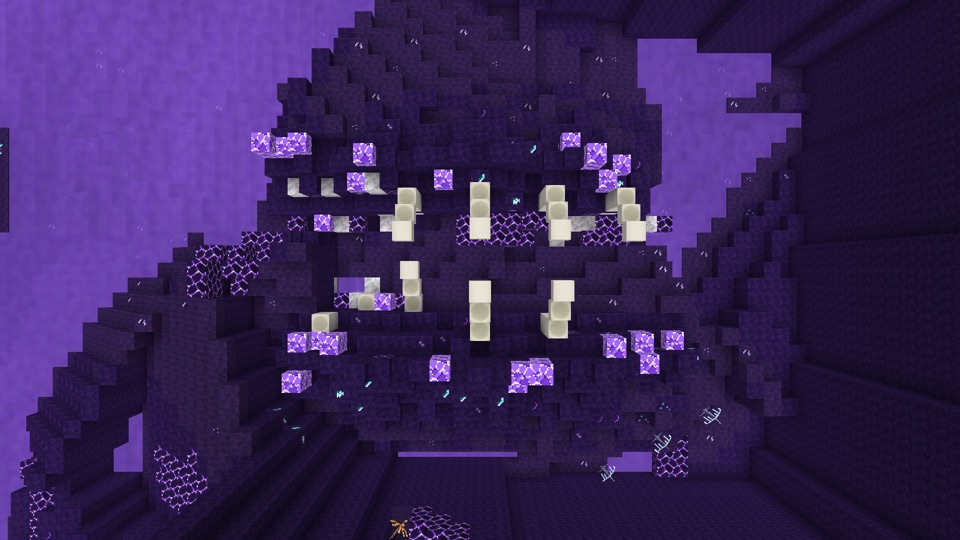
A crevasse between two glass ridges, five blocks deep, with tears running down both walls and shards on the floor among what is left of what came down here. There is a burrow in the north wall at the bottom. The shards collect in the crevasse, and so do the things that eat them; they are quiet, and they hunt at night.
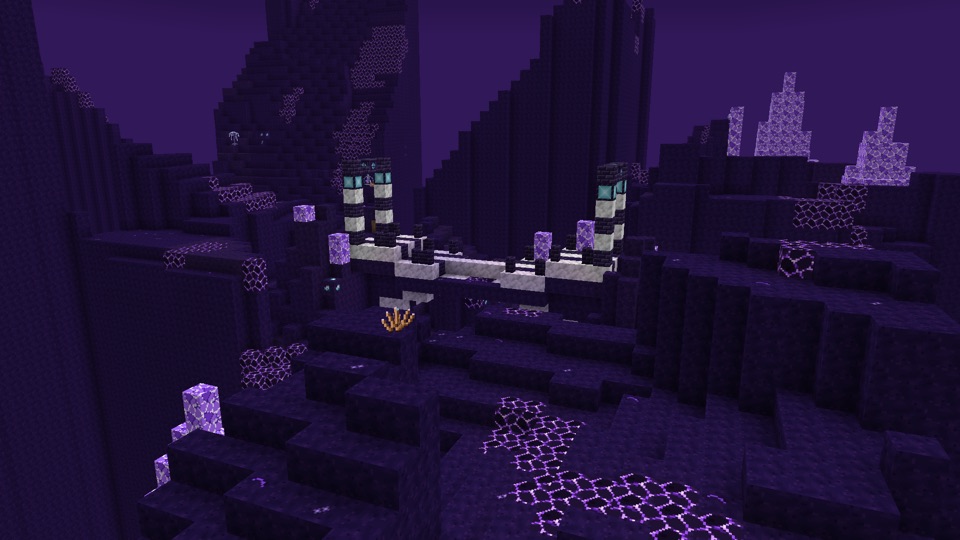
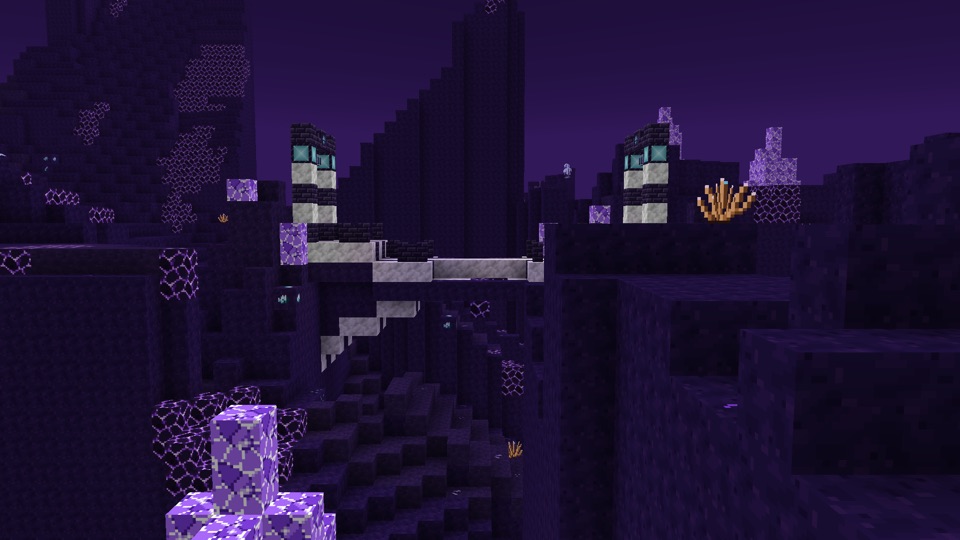
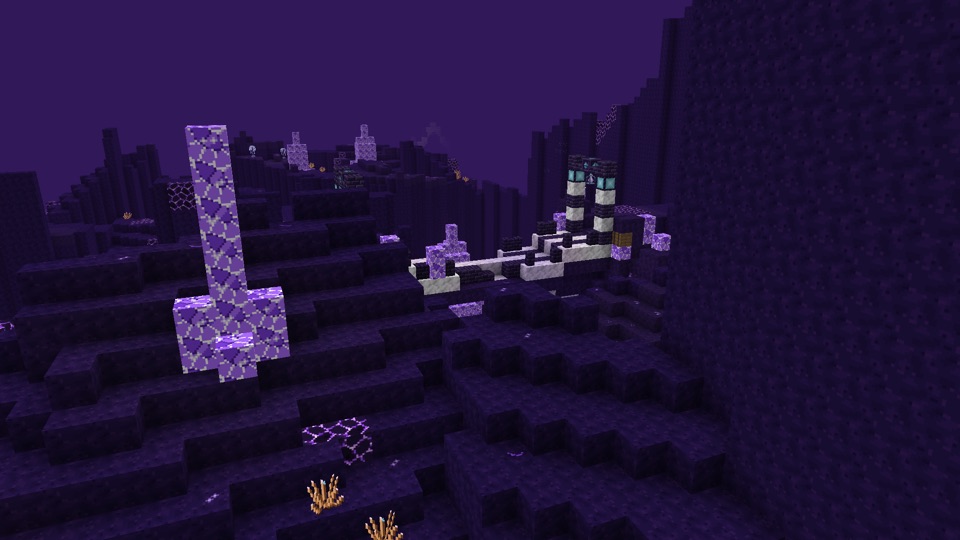

Two glass crags facing each other and an arch of glass between them, with a brick deck laid across the top and walls for railings. The middle has sagged to a width of two blocks, and the bricks that were there are under it now, by a pool of what drips off the arch. The glass holds as long as you are not looking at it. Cross without looking down.

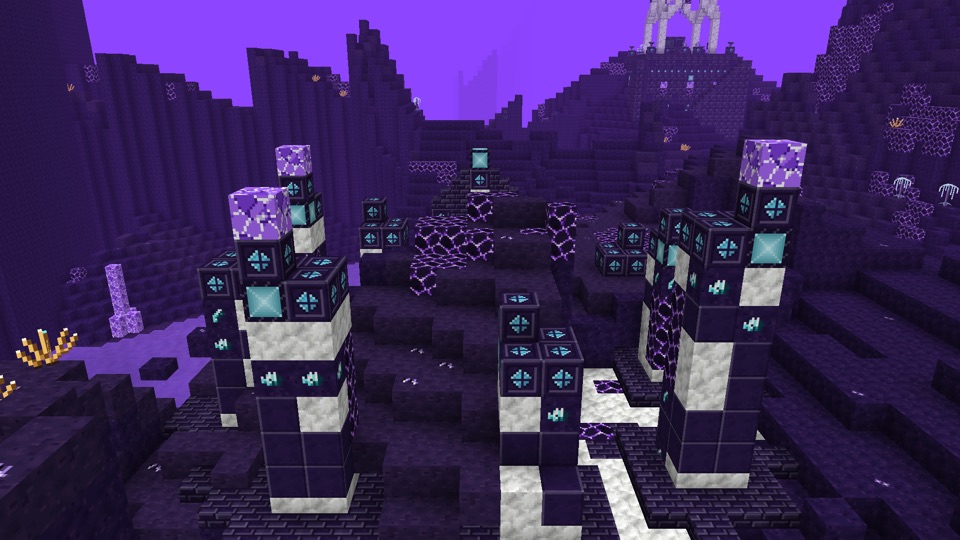
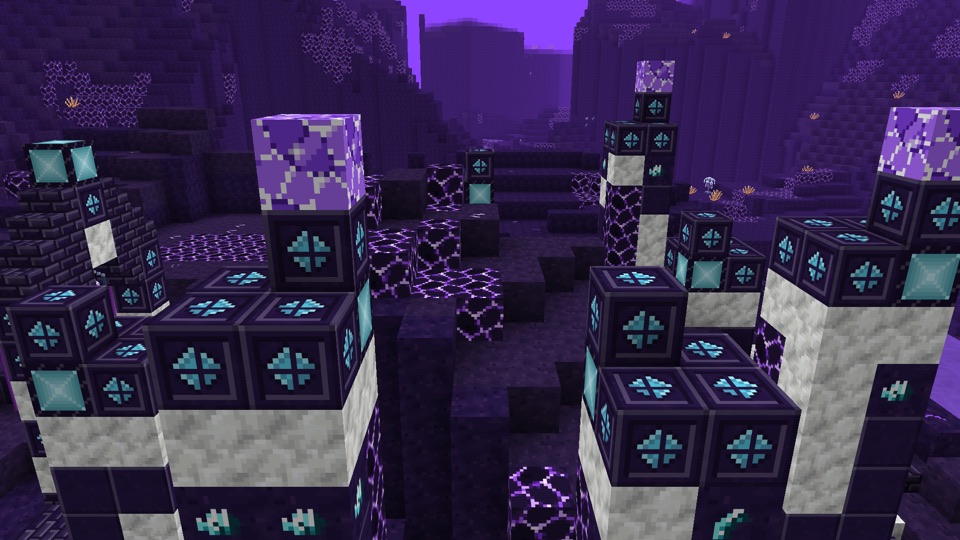
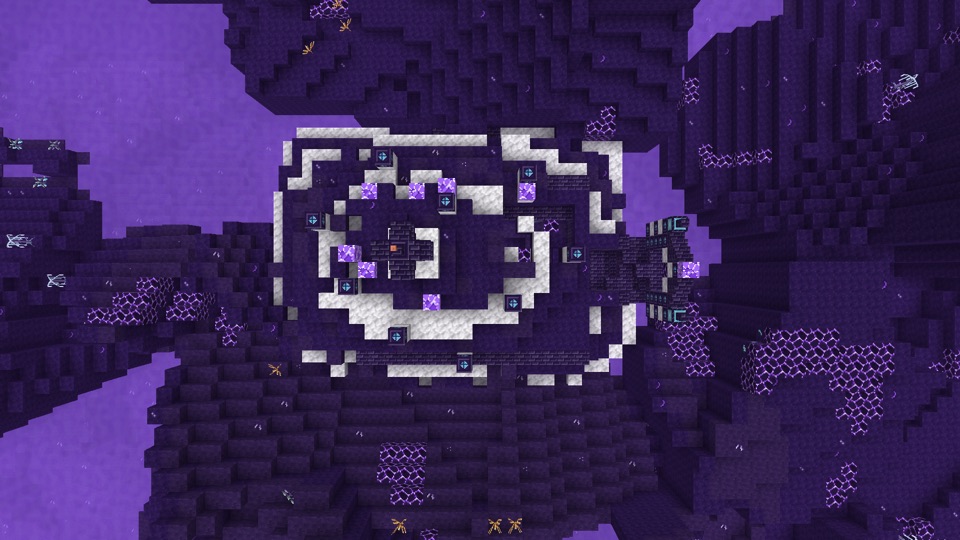
Nine stelae of polished glass in a ring on a paved floor, each with a mouth of tear vein at the height of a chest and a streak of tears below it. They hum, all nine at once and never quite in tune, and the hum is louder the closer you stand to the bowl in the middle. There is no wind here. One stela has fallen and still hums where it lies.
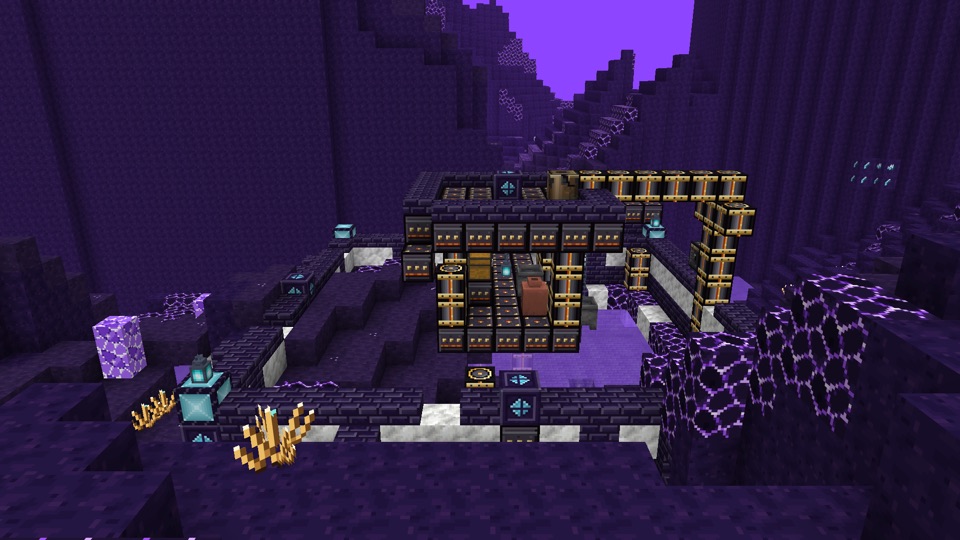

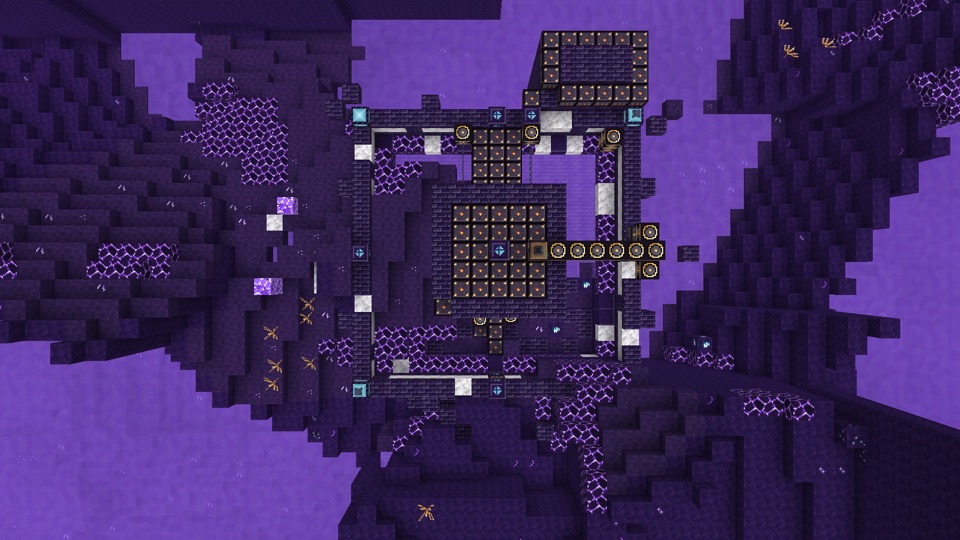
A square cistern sunk four blocks into the glass, with a catwalk of scorched plating across it and a crane on the north wall. They collected tears here: pumped them in from the west, ladled them out from the walk, let them off through the sluice. The east wall gave way and half the cistern ran out and set. What the tears were for, the journal does not say.
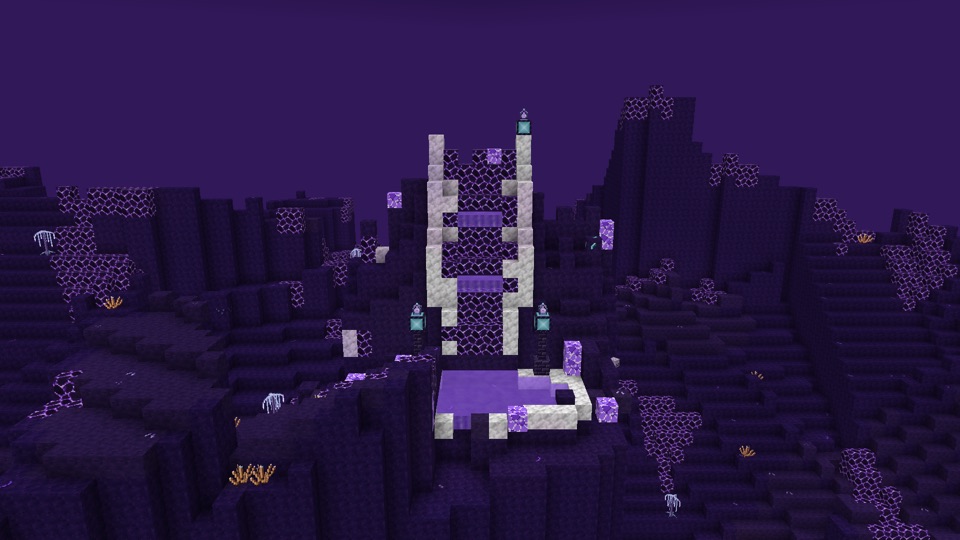
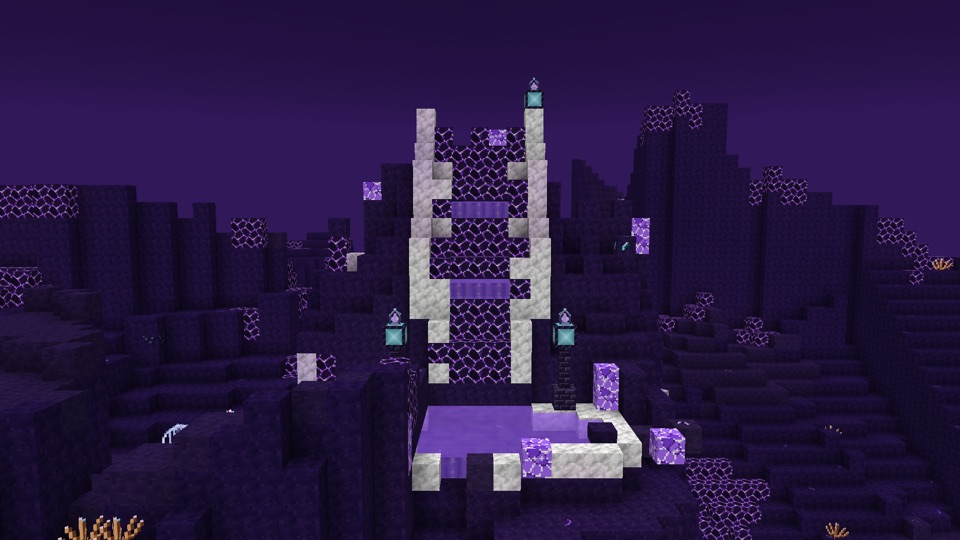
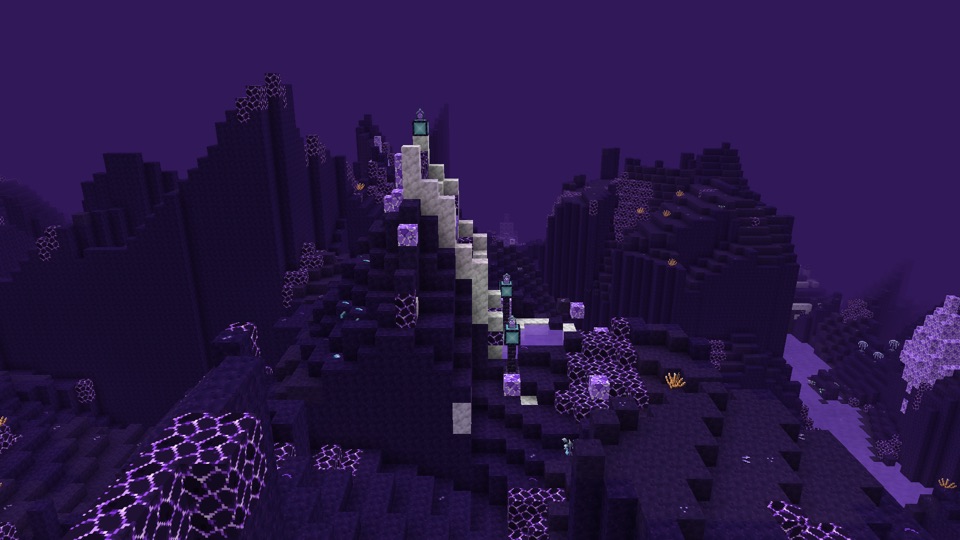

A glass bluff with a crack at the top where Pele's tears grow, and from the crack a stream of tears running down the face, terrace by terrace, into a pool at the foot. Watch it long enough and the stream runs the other way, up the slope and into the crack. The journal has watched it long enough twice and does not recommend a third time.
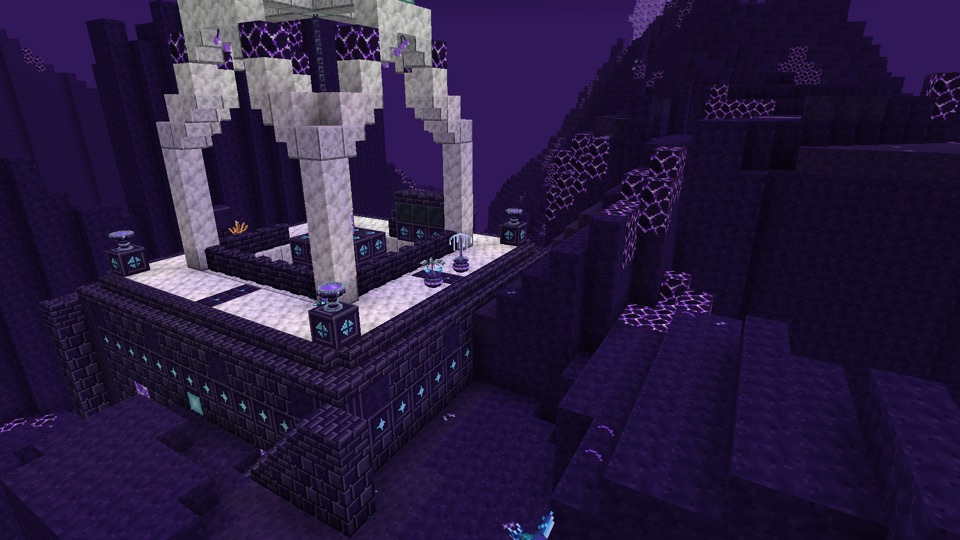
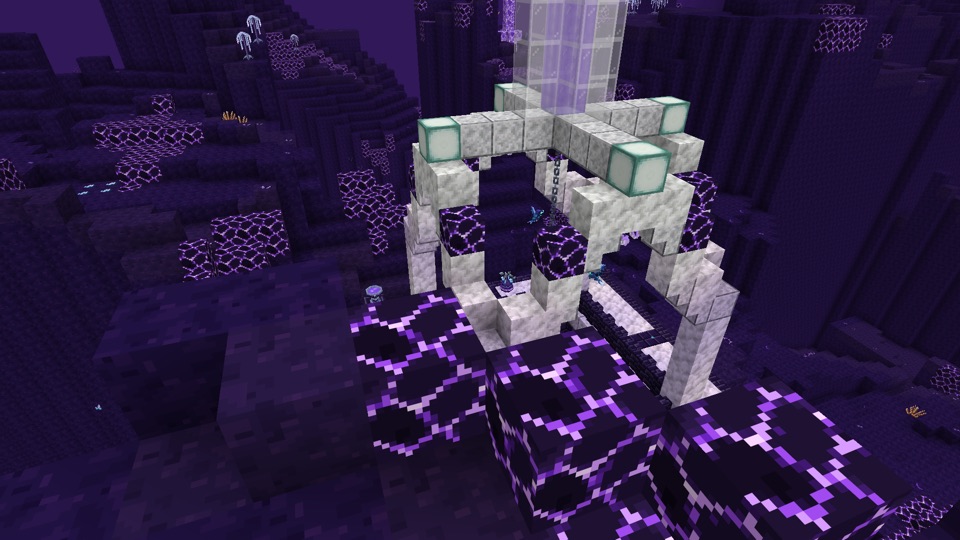

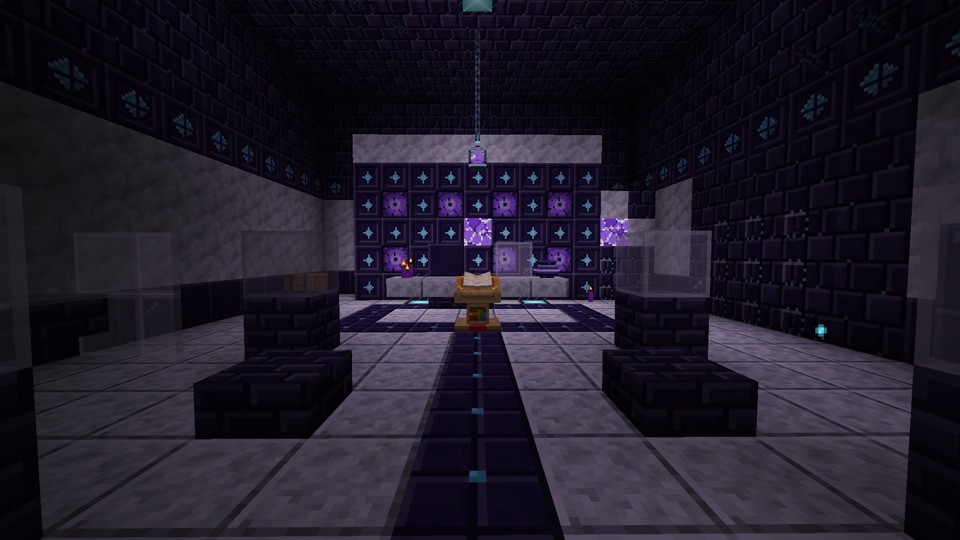
The Mourners came down the vent when the first lake of the Lament was a single tear wide. They believed the tears were grief that belonged to no one, and that grief kept long enough in glass would end. Under a chapel of dark glass they cut three levels: cells where they lived and wrote down every tear, reliquaries where the tears stood in vessels, and glass crypts by a lake they drained to the last pool. The heavier the vessels grew, the heavier the world became. At the bottom the one who wept first still keeps her tears.

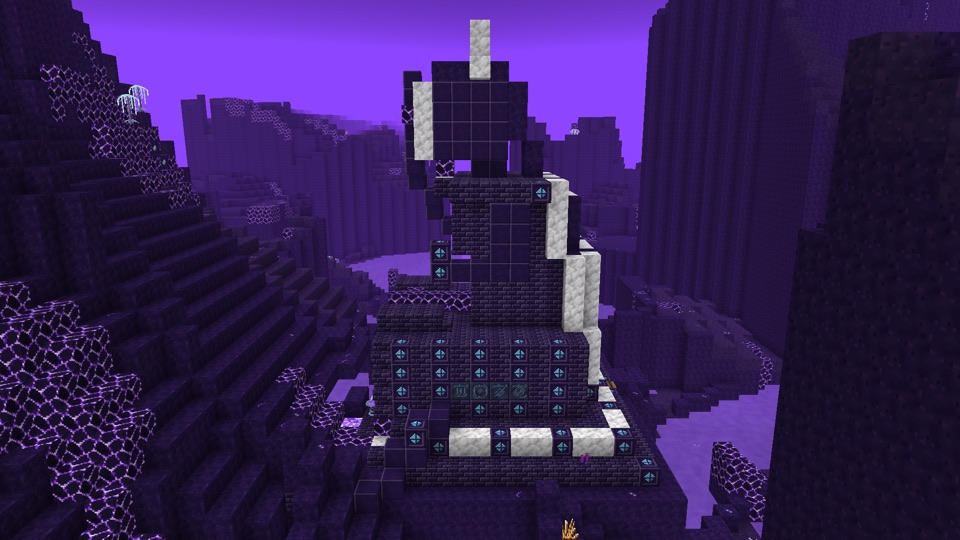

A kneeling figure of glass brick on a plinth, head bowed, one hand over the face; the other broke off at the elbow and lies where it fell. Tears run from under the hand, down the chest and the knees and the plinth, into a pool that never fills. It has wept for as long as anyone has come here, and someone comes: the lanterns by the pool are lit.
Ores


Plants and food


Weather
- Tear Rain. Tears fall from the sky; they put out fire.
- Sweating Glass. Tears bead on the glass: under the open sky it is as slippery as ice.
- Mist of Tears. The tear lakes steam: whoever breathes the lilac mist without a helmet grows heavy with sorrow.
Events
- The Great Weeping. Tears fall from the sky and harden into quartz; the drinkers gather
- The Upward Weeping. Gravity lets go and the tears rise: catch the crystals while they are low
- The Mourning Toll. The bell tolls and the glass cracks: step off the cracks before the spikes rise