
The Overworld
Ores and current crystals, trees and herbs, the mod's own biomes and grottoes: what to look for in the Overworld, where and why.
Everything a fluxionist starts with lies in the Overworld: opaline and antimony underground, crystal nests in caves, two current trees and herbs by the water. Beyond that are the mod's own places — forests, mires and caves where the flux of the world runs its own way and where things grow that grow nowhere else. The Loupe held at open air reads the place — its riverbed and the currents around; read every new place this way: it is knowledge for the Codex.
Ores
| Ore | Where | What it gives |
|---|---|---|
 Opaline Ore,  Deepslate Opaline Ore | from y −48 to 32, most often around −8 — at the deepslate boundary; 3–5 veins per chunk |  Opaline right away, no smelting; without Silk Touch, 2% of the time also  Opaline Inclusion |
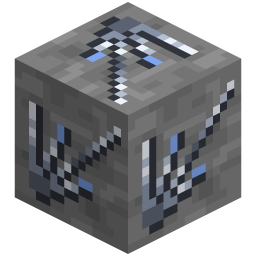 Antimony Ore,  Deepslate Antimony Ore | from y 0 to 96, most often around 48; 6–9 veins per chunk |  Raw Antimony; in a furnace —  Antimony Regulus |
Opaline is needed by everything that looks into the flux: Loupe glass, Conduit lenses, vessels for distillate. The
antimony regulus is the first metal: quickdust is made from it, with copper it casts speculum bronze for instruments, and
it purifies distillate in the Crucible. Without the regulus there is no quickdust and no Codex — keep antimony in stock
(Antimony and the Regulus, Opaline).

Current crystals
Where flux has stood still for ages, it crystallizes: in caves from y −56 to 64 grow nests of crystals of the six primal
currents — the four Springs and the two Poles. A pickaxe takes shards from a crystal; shards go into quickdust and Flowstone,
into attuning Gauge Stones, and pay the Flux Workbench for a current the place lacks ( Current Crystals).
The place chooses a nest's current:
| Where the nest is | Current |
|---|---|
| by water, in lush and dripstone caves |  Tide |
| by lava; below y −24 — every second one |  Ember |
| above y 32; in mountains — every second one |  Gale |
| below y 0 |  Lattice (three in four) or  Fray |
| in the deep dark | Fray (two in three) or Lattice |
| in dry caves at middle depth |  Strata, now and then Gale or Fray |
| in the Smolderwood | Ember — every second one |
| in the Flowstone Grottoes | any of the six, evenly |
Trees and herbs
Two current trees grow all over the world and work for your workshop ( Willow, Ash and Herbs):
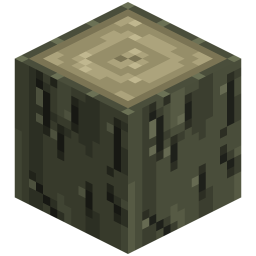 Weeping Willow Log — the weeping willow grows in swamps and on the banks of rivers, lakes and streams, no more
than ten blocks from water. A living willow raises the riverbed of its chunk 1.35 times: the workshop gets more flux.
One willow in eight is old and hollow: in the slit of its swollen butt hide a Reckoner coffer and a Glint Nest; at night
the hollow glows.
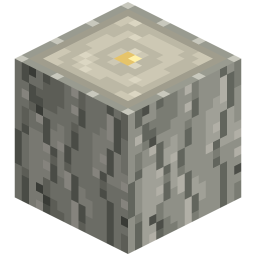 Lumenash Log — the lumenash grows rarely and alone in forests, plains and meadows. Its living leaves turn
the murk of its chunk into flux — 0.02 per second per trunk, up to three trunks per chunk. A felled lumenash cleanses
nothing: plant it where murk settles.
- The Elder Lumenash is the oldest lumenash, a trunk of 24–30 blocks with a hollow and a lucent skein inside. That is where
a current skein is found most surely (
 Skeins).
Under the trees and by the water grow current herbs — the sign of each herb's current shows above it:
| Herb | Where it grows | What for |
|---|---|---|
 Rippleleaf | right at the water's edge | dissolves into Tide on the Crucible's low heat; two cyan dyes; the herbalist buys ten for an emerald |
 Emberbell | by lava in caves, on deepslate and basalt | dissolves into Ember; smolders in the dark — it tells you there is lava around the corner |
 Murkcap | in dark damp caves by water, on silt, clay, moss | a sign of murk without the Loupe: where it grows, flux has stagnated — put a lumenash there, not a workshop |
The mod's places
The mod's biomes take the place of part of the game's biomes — with the terrain and climate of the one they replace — and about its size. Each has its own raw materials, a dark stone set for building, its own creatures and one or two structures.
| Place | Instead of | The point |
|---|---|---|
| Weeping Floodplain | the cool quarter of forests | willows all over, lumenashes, Elder Lumenashes more than twice as often |
| Sanguine Weald | the heart of dark forests | heartsap — Bloom without brewing |
| Honeyfall Grove | birch forests on hills | honey resin — Tempo from bark |
| Inkpine Forest | old taigas deep inland | ink resin, scrollbark, the Scriptorium |
| Smolderwood | the hottest savannas | Ember at the surface, Smolder Coal |
| Rustling Fens | the wettest mangrove swamps | the Snaglings' home, bog oak, the wicker set |
| Hourless Wood | flat snowy taiga | Still without the Stillness |
| Stagnant Backwater | the flattest half of swamps | mire with no workshop |
| Flowstone Grottoes | a quarter of dripstone caves | all six crystals, cave pearls |
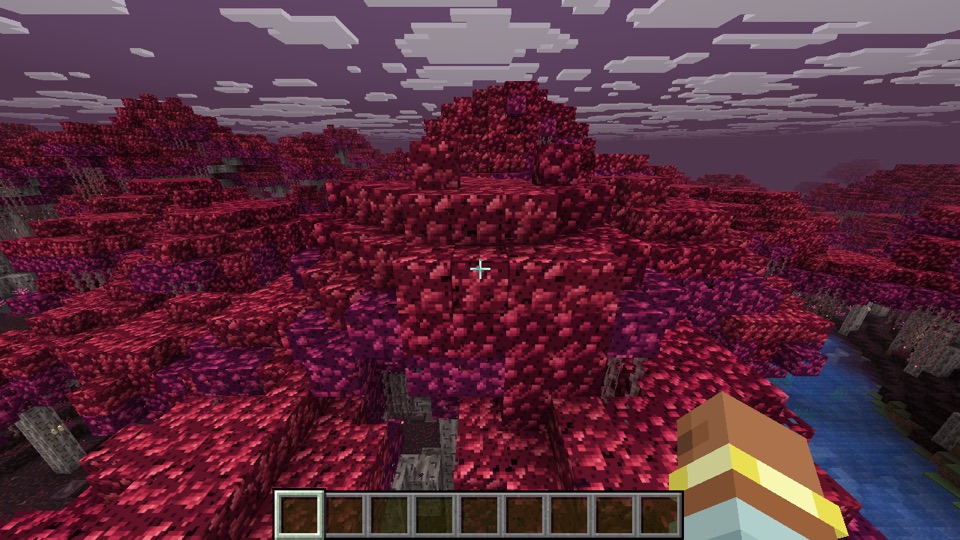
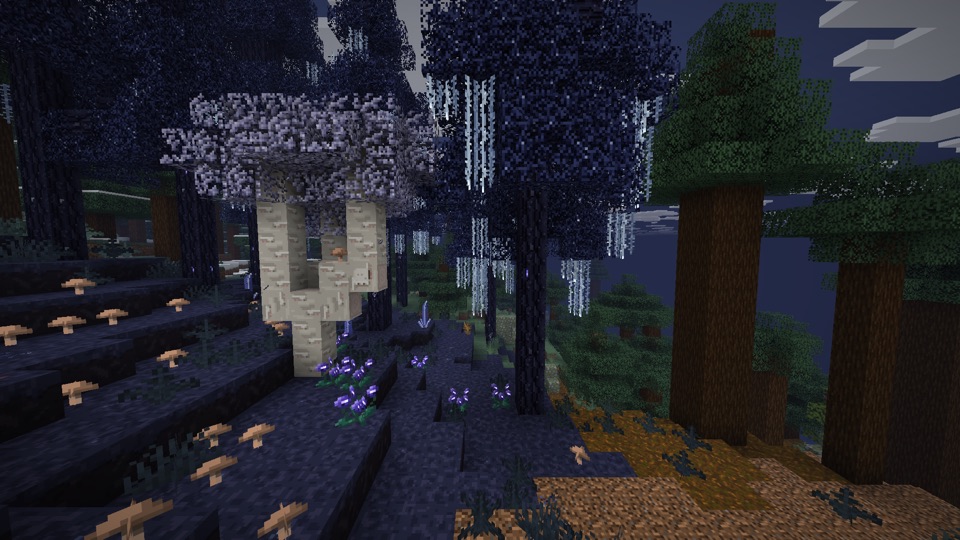
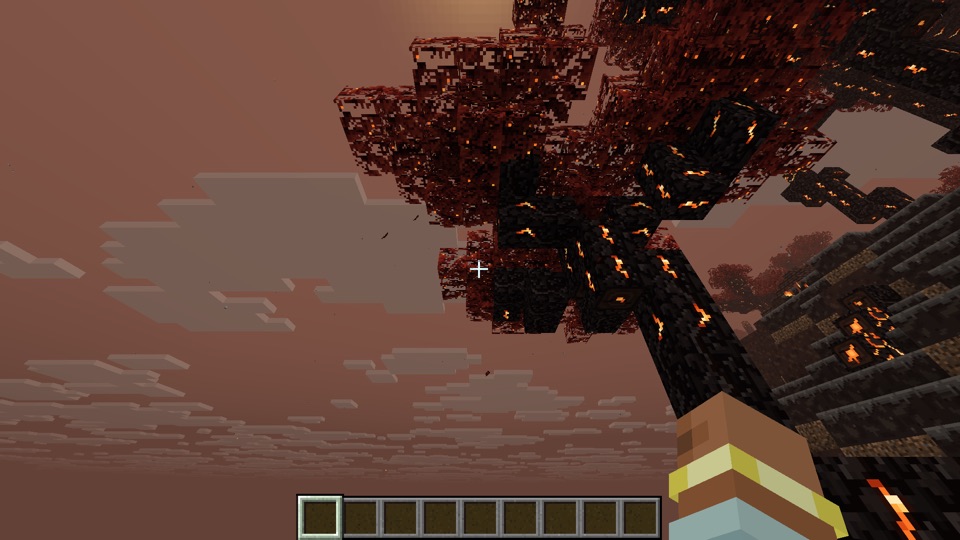
Weeping Floodplain
A quiet lowland where the flux of the world stands high: weeping willows lean to the water, lumenashes between them, the ground
is 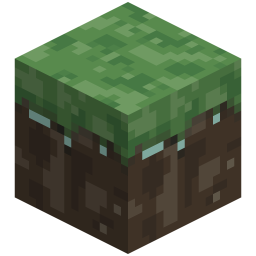 Dewy Turf; Elder Lumenashes rise here more than twice as often as in ordinary forests. Lumenharts graze:
every five to ten minutes an adult drops a
 Lumenhart Antler, and the Flux Forge chars it into
 Lumenash Charcoal — without felling a single lumenash. At night willowkin step out of the willows: they
leave you alone until you fell a willow or a lumenash at night — then every willowkin within 24 steps comes for you
(Life of the Floodplain). Snagling camps stand in the floodplain too (The Snaglings).
Sanguine Weald
The weald gives Bloom without brewing: veins of sap glow on the bark of old sanguine aspens — an empty bottle at such a vein
fills with  Heartsap, and the vein closes and fills again in a few days. Every eight seconds all the veins of the
weald flare at once — that beat is how you know it.
 Candlecap on the trunks is light without a torch and can
be planted on any log. Sanguine slate and the dark wine-red aspen planks make a dark, warm house. The shy saphorn roams here:
every few minutes it drops a sprig of living aspen (The Sanguine Weald).
 Crafting Table
Honeyfall Grove
It is always the last hour of autumn here: dark maples with tiers of amber leaves, a leaf falls slowly, and some hang for
a breath. An amber drop swells on the ripe bark of a honey maple — take it with an empty hand: that is  Honey Resin,
Tempo straight from the tree. The wound swells again in about half an hour to an hour; only grown maples give resin, not
a log placed by hand. Umberstone is for masonry and sundial tiles, and foxfire glows in fallen maples.
Be careful at night: heaps of leaves lie in the litter, and in some a cream vein smolders — that is a leafwight. Closer
than four blocks it rises, and its touch steals Tempo: for three seconds you lag behind (The Honeyfall Grove).
Crafting TableInkpine Forest
Black spires of pine in silver beard lichen and almost black water. The forest gives three things:  Ink Resin —
a wound on an inkpine's bark with a drop of ink, press it (a full refill for the Ruling Pen on a crafting table without
a shard, and generous Gloom for the Crucible);
 Scrollbark Sheet — the loose sheet of a scrollbark is cut
with shears (paper and Scroll Shelves, which power an enchanting table like bookshelves); and Reckoner Records in the
Scriptorium (Ruins). At night inkblots rise — their touch sticks and binds — and
hush owls fly without a sound (The Inkpine Forest).
Smolderwood
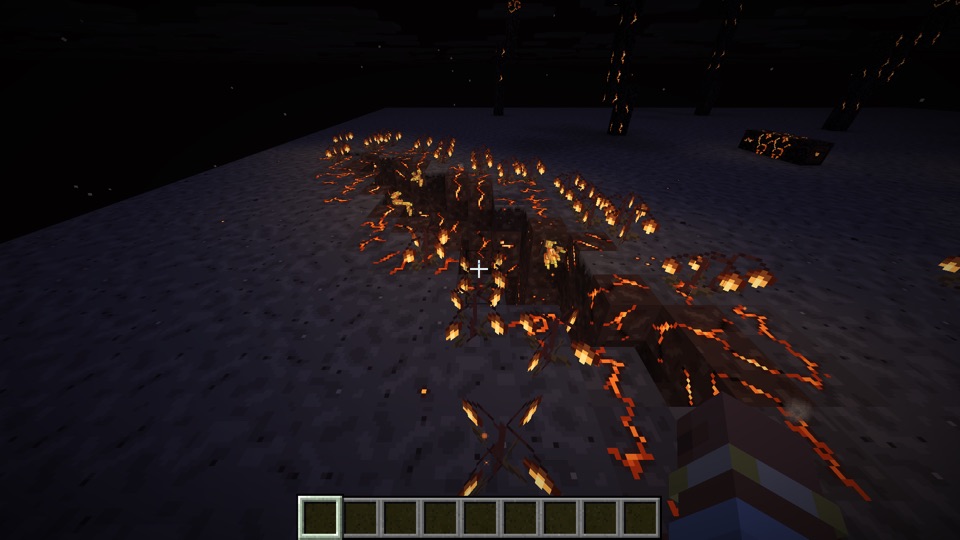
A forest over a seam of Ember has smoldered for ages: black pines with orange cracks, ash, embers rising. The Smolderwood
gives Ember without going down to lava: in its Ember seams crystals of Ember grow right at the surface, and in the caves
beneath it every second nest is Ember. You can see an Ember seam from afar at night — a crack in the ground glowing orange;
along its edge lies hot ash that burns like magma: go around or sneak across. In the crack are  Emberstone
and Ember crystals.
Fallen brands glow and set nothing alight; an axe splits a brand into one or two  Smolder Coal — it burns in
a furnace twice as long as coal. Fire does not spread in the Smolderwood. Among the brands lie brandlings: they rise on
whoever comes close or chops a brand nearby and bite with fire; water puts them out (
 The Smolderwood).
Rustling Fens
A delta where rivers braid before the sea and the flux runs thick and wild. Over the channels stand pollard osiers (shears on
an osier's head give  Osier Rods, and the head grows back), in the peat lie half-sunken black trunks of
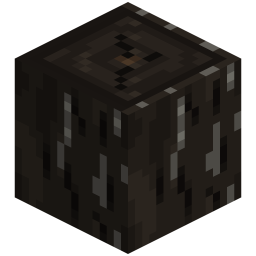 Bog Oak Log: bog oak has no sapling, its wood comes only from the world. Tall sedge rises above your head,
 Lightrush glows with warm down,
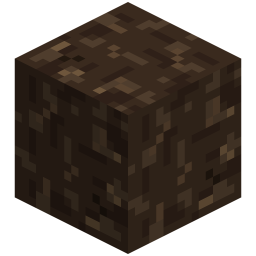 Peat burns in a furnace. Rods and sedge make the wicker and
thatch set for a hut.
This is the Snaglings' home: their bands are twice as common here as in floodplains and jungles, and their stiltholds stand over the channels. The peaceful driftback wanders the shallows with a snag on its back — an empty hand takes the catch off the snag. All of this is in The Snaglings.
Hourless Wood
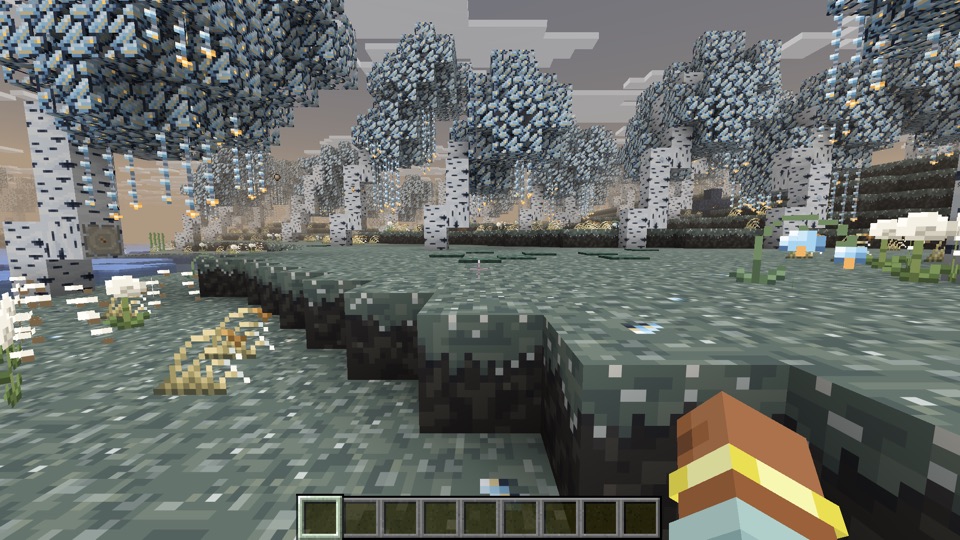
A scar of the Great Stopping: white birches with glass leaves, all leaning one way — in each world its own. The Hourless Wood
gives Still without the Stillness: in rain the drops hang here like beads, and an empty bottle raised under open sky
gathers a  Halted Drop — for the Crucible and for the flame of a Lull Lamp. Lullstone and glass leaves make
a dark blue house with amber light. Glassfinches hang among the birches, caught mid-flight. The light here is "wrong":
Laggards roam by day as well, and morning does not crumble them. Halted caravans stand on old roads
(Ruins; The Hourless Wood).
Stagnant Backwater
A mire where the water has not moved for years and murk settles on its own: the land holds a little over a third of its
riverbed from birth, and mire lives there through no one's fault. Water the color of silt, dead husks of trees, gnats over the
water and gas from the bottom. A cleansed backwater silts up again within hours, but the mire does not spread past its edge
( Mire). Nobody builds a workshop here — you come for silt, murkcaps and business with the Sunken cult: Mire
Shrines and the Sunken Sanctum stand in the backwater (Ruins).
Silt herons peck mire leeches and gnats and after three meals drop a lump of silt; approach them sneaking. At night a little
light glows over the water — do not trust it: it is the lure of a mire angler, and it snatches whoever comes within six
steps with a lunge from the water. On land the angler is clumsy — draw it onto the bank ( Life of the Backwater).
Flowstone Grottoes
Caves under gentle land deep inland, where there would otherwise be dripstone caves. An underground vein of flux comes close
to the cave here, and the stone begins to flow. The grottoes are a mine of currents: three times more crystal nests, and
any of the six primal currents evenly.  Flowstone lies as the floor — take it with a pickaxe, no shard needed.
 Cave Pearl glow at the bottom of the rimstone pools (for the Crucible and for a Pearl Lamp), and the pools'
caddises drop them now and then: a bucket of water carries a caddis to a pond at home. Onyx in the wall layers is a dark
stone for building. A drip hurts whoever falls on it, and one cut from above falls. Deeper stand Reckoners' Wells
(Reckoners in the world; The Flowstone Grottoes).
Crafting Table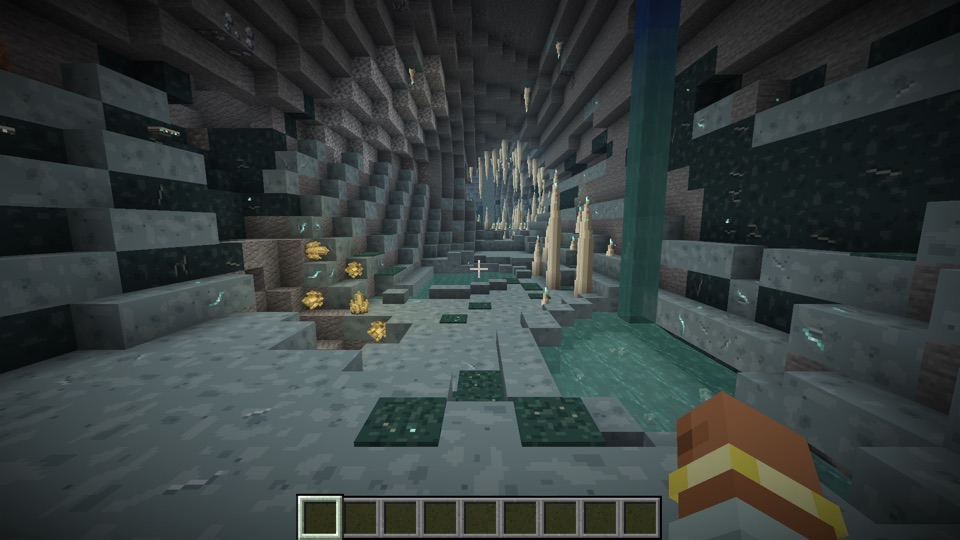
What next
- Reckoners in the world — Gauge Stones, Records and locks.
- Ruins and dungeons — what stands in these places and what lies inside.
- Biomes — every place of the mod with its currents and creatures.
- Bestiary — who lives where.